HARRISBURG, PA — 2025 has been a remarkable year of research at Harrisburg University of Science & Technology (HU). Our faculty, students, and alumni have pushed boundaries across disciplines, from cutting-edge artificial intelligence (AI) applications to groundbreaking discoveries in paleontology, archeology, cognitive science, and physical therapy.
Their work demonstrates HU’s commitment to advancing knowledge, solving real-world problems, and preparing the next generation of innovators and thought leaders. Today, we highlight 10 of our most impactful research stories from the past year.
10. What Makes a Meme Go Viral? HU Researchers Find Clues in Data
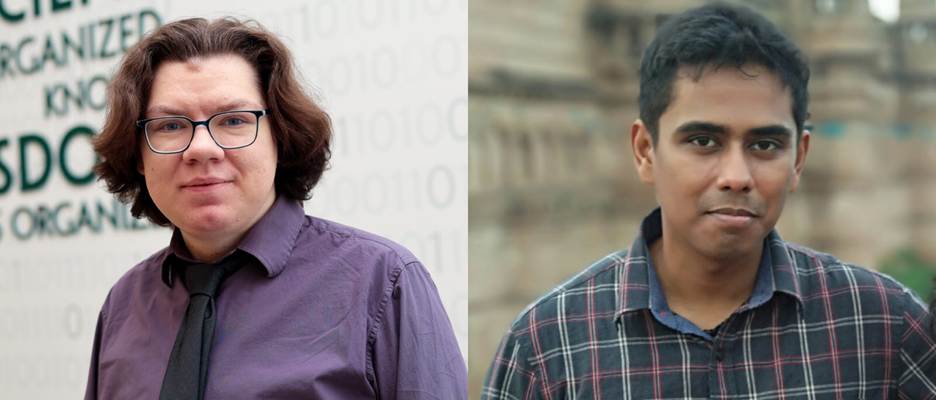
HU Data Analytics co-lead Dr. Kayden Jordan and Data Science Ph.D. student Tanmay Sah explored the factors that drive meme virality in their study, “Decoding Reddit Memes Virality,” published in the International Journal of Data Science and Analytics.
By applying natural language processing (NLP), computer vision, and machine learning techniques to Reddit meme data, the team analyzed how elements such as imagery, text, posting time, and emotional content influence online engagement. Beyond humor, their research sheds light on how digital content spreads ideas, emotions, and cultural trends, offering practical insights for marketers, content creators, and social media platforms.
9. HU Alumna and Faculty’s Research on Emotional Intelligence Cited by Forbes
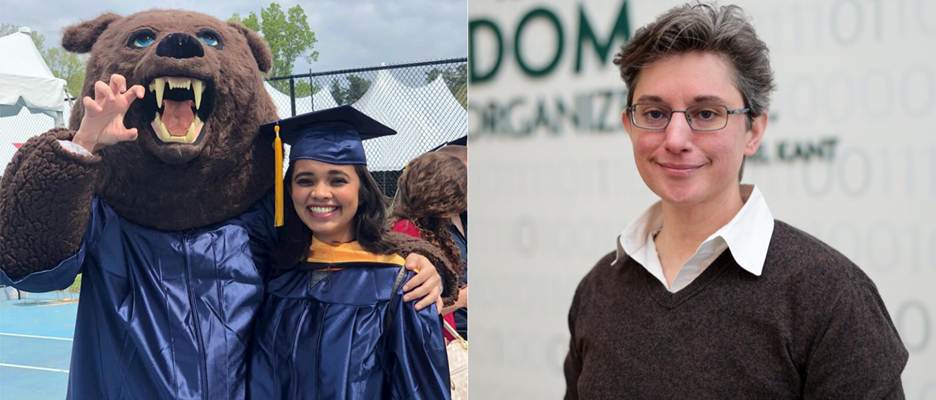
Research by Harrisburg University alumna Mousami Berawala ‘23 and faculty advisor Dr. Sarah Dyson gained national attention after being cited in an article by Forbes: “Extroverts vs. Introverts: How to Build Strong Client Relationships.”
Their study, “Impact of Emotional Intelligence on Client Satisfaction in Project Management,” examines how leaders’ emotional intelligence (EI) influences client relationships across industries and work environments, including remote, hybrid, and in-person settings. Drawing on survey data from practicing project managers, the research addresses a critical gap in existing literature by directly linking emotional intelligence to client satisfaction rather than project outcomes alone.
“As the faculty advisor for Mousami’s groundbreaking research, I’m incredibly proud that this study evolved from an initial curiosity into a comprehensive examination of EI’s impact across diverse work environments,” Dr. Dyson said. “What began as conversations about leadership effectiveness during the pandemic’s shifting workplace dynamics developed into a methodical investigation that transcends geographical and industry boundaries.”
She continued: “The validation from Forbes was certainly gratifying, but what truly matters is how this research illuminates the practical applications of EI in client satisfaction. I hope readers take away that EI isn’t merely a soft skill but a quantifiable factor in project success. The research particularly highlights how different work environments – remote, hybrid, and in-person – each demand unique emotional intelligence approaches, something especially relevant in our post-pandemic professional landscape.”
8. Measuring Meaning: HU Research Reveals Surprising Similarities in How Our Brains Connect Words
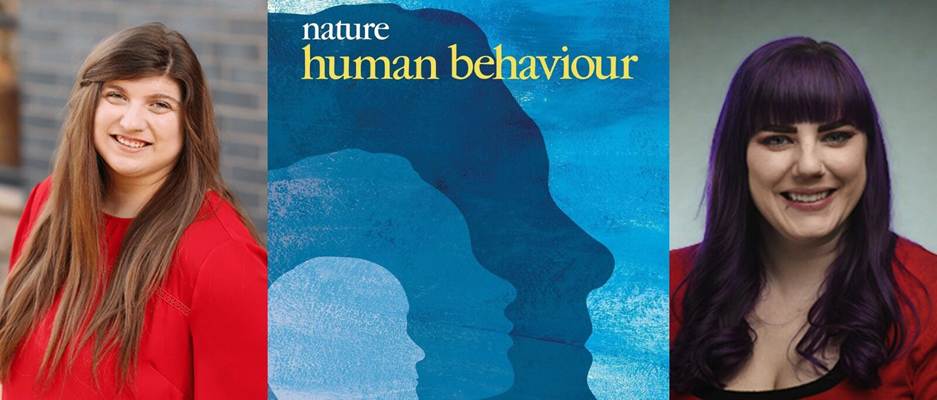
HU Professor of Cognitive Analytics Dr. Erin Buchanan and Data Science Ph.D. student Addie Clark ‘27 contributed to one of the largest multilingual studies of semantic priming ever conducted, revealing striking similarities in how people around the world connect meaning between words.
Published in Nature Human Behaviour, the global collaboration examined responses to more than 1,000 carefully translated word pairs across 30 languages, finding that semantic priming effects were remarkably consistent across cultures and linguistic systems. The findings suggest that fundamental aspects of human “meaning-making” may be more universal than previously believed. Building on this work, the team is now using National Science Foundation (NSF) funding to explore how AI models compare to human language processing.
7. Dr. Chris Condran Co-Authors Two Studies Advancing Inclusive Practices in Physical Therapy
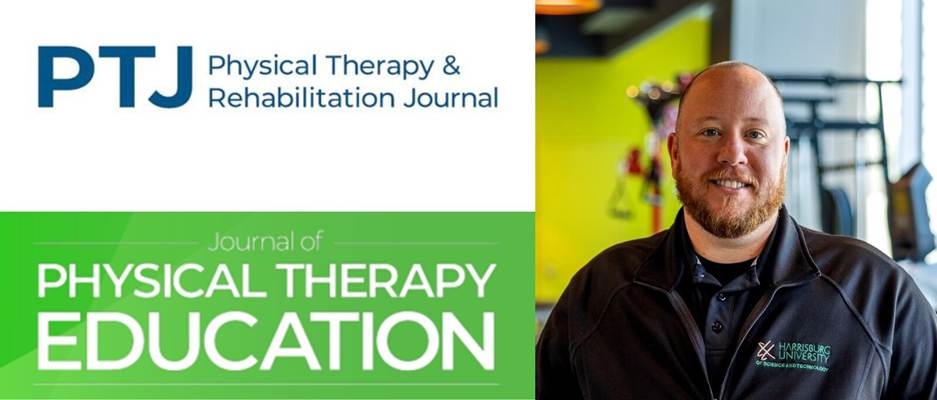
HU Assistant Professor of Physical Therapy, Chris Condran, PT, DPT, EdD, MBA-HCM, MS, ACSM-EP, NSPA-CS, co-authored two peer-reviewed studies that advance inclusive practice and student support within the physical therapy profession.
The first study, “Chest Binding and the Role of the Physical Therapist: A Commitment to Care,” (Physical Therapy & Rehabilitation Journal, Oxford University Press) examines the role of physical therapists in supporting transgender, nonbinary, and gender-diverse individuals who engage in chest binding, outlining evidence-informed strategies to mitigate physical symptoms while promoting affirming, equitable care.
“Our goal was to demonstrate that physical therapists can play a meaningful role in supporting individuals who chest bind by promoting practices that protect health and affirm identity,” Dr. Condran said. “As movement experts, physical therapists bring a unique combination of clinical skills and systems-level knowledge that positions them to understand and address the physical demands associated with binding. By engaging compassionately and competently, we can help foster trust in the healthcare system and ensure that all individuals who seek care feel seen, respected, and safely supported.”
A second study, “The Belongingness Scale for Physical Therapy Education: Validation in Doctor of Physical Therapy Students,” published in the Journal of Physical Therapy Education, introduces and validates the Belongingness Scale for Physical Therapy Education: a new tool designed to measure DPT students’ sense of belonging across factors such as community, inclusion, and faculty support. Together, the studies address both clinical and educational dimensions of physical therapy, reinforcing the profession’s commitment to inclusive care, student well-being, and long-term success.
6. Archaeological Team Rediscovers Lost American Refugee Colony in Greece
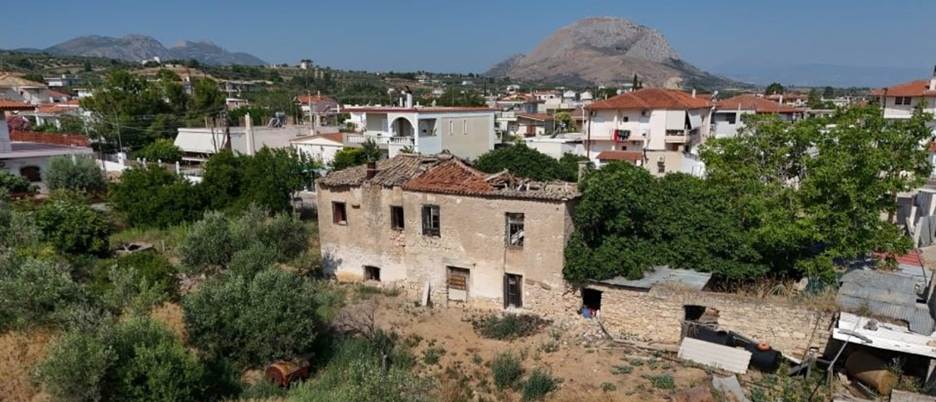
Researchers from HU collaborated with colleagues from Messiah University and Franklin & Marshall College to rediscover Washingtonia, a long-lost 19th-century refugee colony established by American physician and humanitarian Samuel Gridley Howe on the Isthmus of Corinth in Greece. The interdisciplinary team was led by David K. Pettegrew (Messiah University), Kostis Kourelis (Franklin & Marshall College), Albert Sarvis (Harrisburg University), and Nikos Poulopoulos (University of Missouri–St. Louis).
Founded in 1829 in partnership with Greece’s first governor, Ioannis Kapodistrias, Washingtonia once provided refuge for more than 225 Greek families displaced by the Greek War of Independence and included farmland, homes, a school, a hospital, and port facilities before disappearing within a few years due to political instability, environmental challenges, and insecurity.
The rediscovery combined extensive archival research with advanced spatial technologies, including drone photography and geographic information systems (GIS), to locate the lost settlement. The discovery was featured in Archaeology Magazine (September/October 2025), the major Greek newspaper Kathimerini (August 14, 2025), and the Journal of Greek Archaeology (Vol. 10, 2025).
The project also involved students from all three institutions in digital fieldwork, culminating in a documentary (“Finding Washingtonia”) and interactive Story Maps (“The Lost Colony of Washingtonia”) that bring the discovery to public audiences.
5. HU Researchers Help Advance AI-Powered Lung Cancer Detection Through Graph-Based Modeling
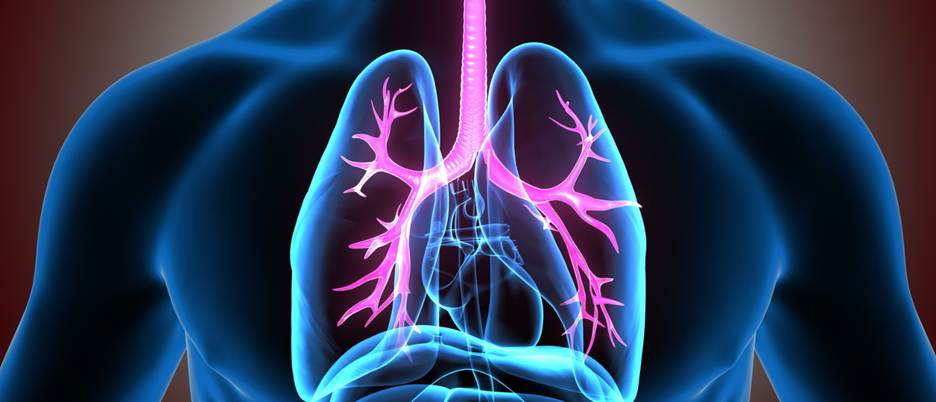
Harrisburg University researchers advanced AI-powered lung cancer detection through the development of a novel graph-based deep-learning model designed to identify early biological signals of disease from blood plasma samples.
Led by Dr. Maria Vaida and supported by Data Science Ph.D. students Jiawen Wu and Eyad Himdat, the research introduced the Metabolite Graph Neural Network (M-GNN), which models metabolic pathways as interconnected systems rather than isolated data points. The model was designed in collaboration with BioMark Diagnostics, St. Boniface Hospital Research Centre, and Asper Clinical Research Centre. Published in the International Journal of Molecular Sciences, the study demonstrated high performance, achieving a 96% AUC in distinguishing cancer from non-cancer samples.
4. Harrisburg University Professors Publish Research on AI-based Alzheimer’s Disease Detection

Harrisburg University faculty researchers Dr. Ziyuan Huang, Dr. Roozbeh Sadeghian, and Dr. Maria Vaida published innovative research exploring the use of artificial intelligence to support early detection and classification of Alzheimer’s disease. Their study, “ADAM-1: An AI Reasoning and Bioinformatics Model for Alzheimer’s Disease Detection and Microbiome-Clinical Data Integration,” introduces a novel AI framework that integrates gut microbiome data, clinical variables, and biomedical literature to improve both accuracy and interpretability in Alzheimer’s research.
Presented at the 2025 Alzheimer’s Association International Conference in Toronto, the work highlights the power of interdisciplinary collaboration and transparent AI design. By enabling researchers to trace model predictions back to scientific literature, the ADAM-1 framework offers a promising, data-driven approach for studying complex neurodegenerative diseases and advancing future biomedical research.
“We were grateful for the opportunity to present our work,” said Dr. Huang. “This project demonstrates close collaboration between UMass Chan Medical School, Harrisburg University, and Johns Hopkins University. Over the past two years, our interdisciplinary team has worked to integrate microbiome science, bioinformatics, and AI to develop new insights into Alzheimer’s disease.”
3. HU Professor Part of Research Team Naming New Species of Duck-Billed Dinosaur
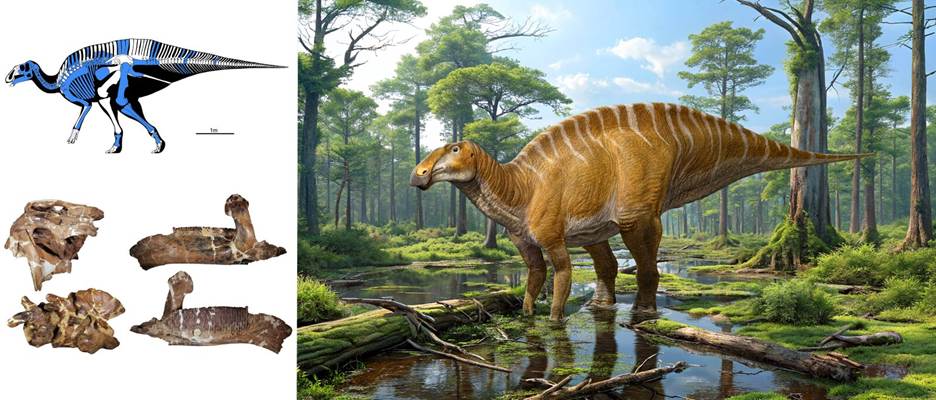
HU’s Dr. Steven Jasinski was part of an international research team that named and described Ahshislesaurus wimani, a newly recognized species of duck-billed dinosaur that lived in what is now New Mexico around 75 million years ago. The large hadrosaurid, which may have reached nearly 40 feet in length, was identified through the re-examination of fossil material first discovered more than a century ago, revealing anatomical features that distinguish it from all previously known duck-billed dinosaurs.
Published in the Bulletin of the New Mexico Museum of Natural History and Science, the study offers new insight into dinosaur diversity, evolution, and migration during the Late Cretaceous, particularly in the American Southwest.
2. Forensics Project to Carry Out Anthropological Assessment of Unidentified Human Remains
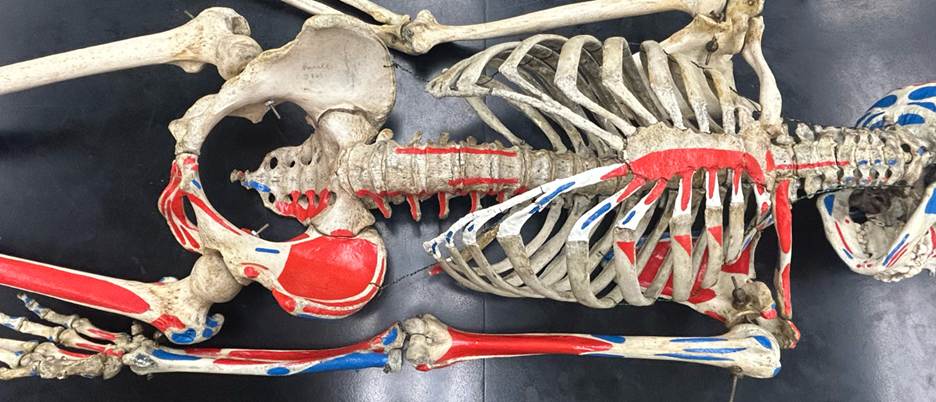
Harrisburg University partnered with Harrisburg Area Community College (HACC) and the Dauphin County Coroner (DCC) to launch a forensic anthropology project aimed at identifying human remains connected to decades-old cold cases. Led by HU Forensics Instructor Professor Carrie Wise, the initiative focuses on assessing and documenting skeletal remains that have been in storage for more than 50 years with little or no identifying information.
Through detailed anthropological analysis, imaging, and preparation for advanced biological testing, the project seeks to estimate characteristics such as age, sex, ancestry, and stature, with the goal of restoring identity where possible and guiding proper disposition of the remains.
Professor Carrie Wise has been a practitioner in the field of forensic science for the past 20 years. “This initiative offers faculty and students in HU’s Forensics program a unique opportunity to engage in real-world applications in their field. With our partners at HACC and DCC, we have a chance to potentially bring closure to the community regarding these unidentified remains. The project calls upon all the skills we develop through our Forensics program and opens the doors to long-awaited resolution.”
1. HU Professor Part of Study on New Fossil Carnivorous Mammals from Himalayan Foothills
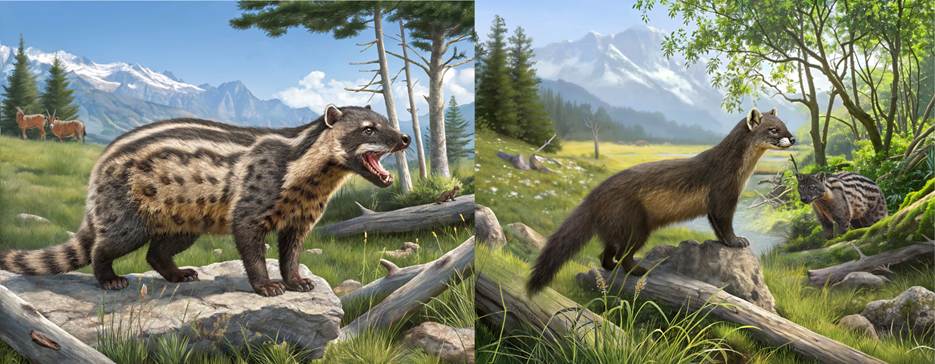
Dr. Steven Jasinski, of HU’s Environmental Science & Sustainability program, also joined an international team studying fossil carnivorous mammals from northern India’s Himalayan foothills. The researchers described new specimens, including rare mustelids and viverrids, as well as two entirely new species. According to the study, published in Journal of Mammalian Evolution, these new fossil specimens add important new information to our collective knowledge of carnivorous mammals.
“These new fossils are really giving us a better idea of what the ecosystems at the base of the Himalayas would have been like around 5 million years ago,” said Dr. Jasinski. “Our research is helping us not only understand the biodiversity of our world but also providing crucial information for how our world has changed. This is vital to our understanding of how our world will continue to change due to the shifting, potentially volatile, conditions we are currently dealing with. Our study of the past is essential to being able to make predictions about our world’s future.”
ABOUT HARRISBURG UNIVERSITY
Harrisburg University was recognized by US News & World Report as one of the nation’s most innovative colleges for 2025. HU is accredited by the Middle States Commission on Higher Education and is a private, nonprofit university offering bachelor’s and graduate degree programs in science, technology, engineering, mathematics, nursing, and other health science fields. For additional information about HU’s affordable, demand-driven undergraduate and graduate programs, please call 717.901.5146 or email Connect@HarrisburgU.edu. Stay updated by following Harrisburg University on LinkedIn, Instagram, and Facebook.
# # #