HARRISBURG, PA — In June, a group of students from Harrisburg University of Science and Technology (HU) returned from a three-week study-abroad program in Greece, led by Assistant Professor of Geospatial Technology Albert Sarvis. The experience, which ran from May 17 through June 6, combined archaeological fieldwork, cultural immersion, and geospatial research across the Peloponnese and Corinthian regions.
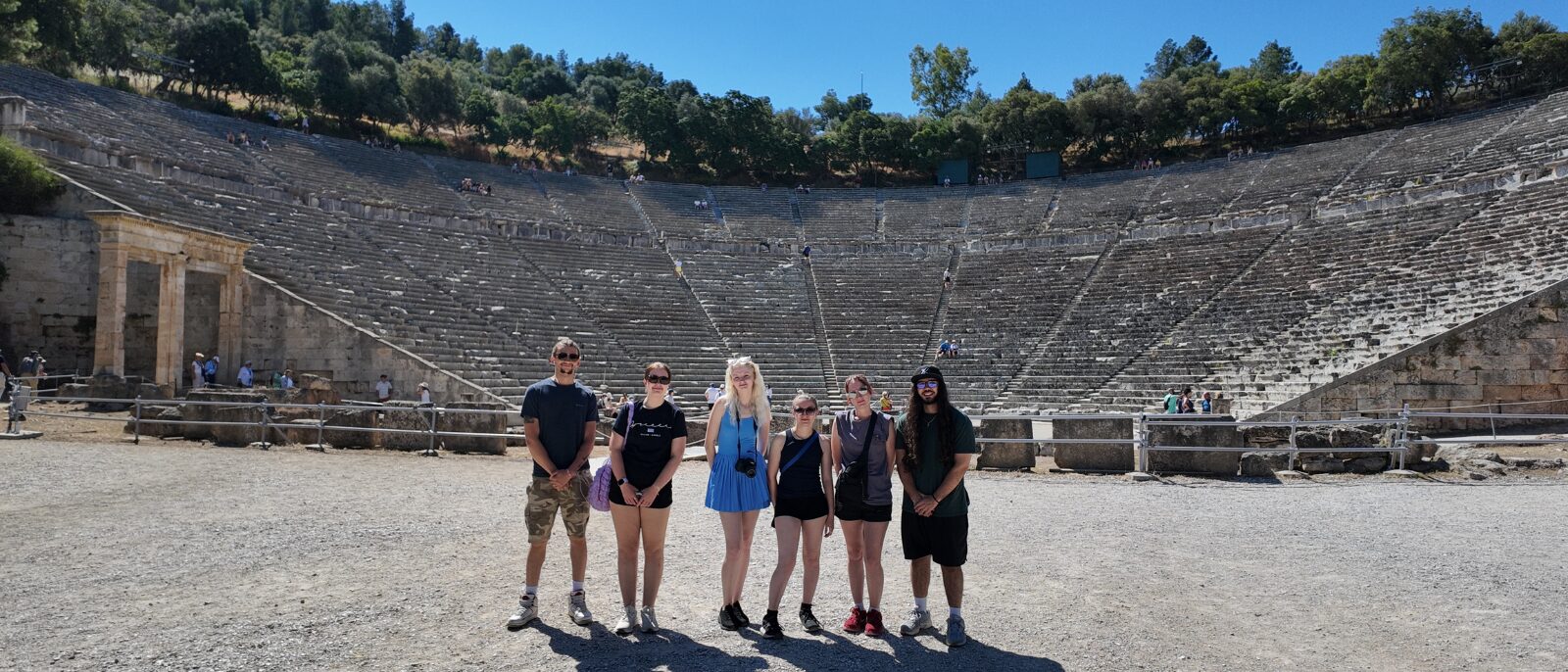
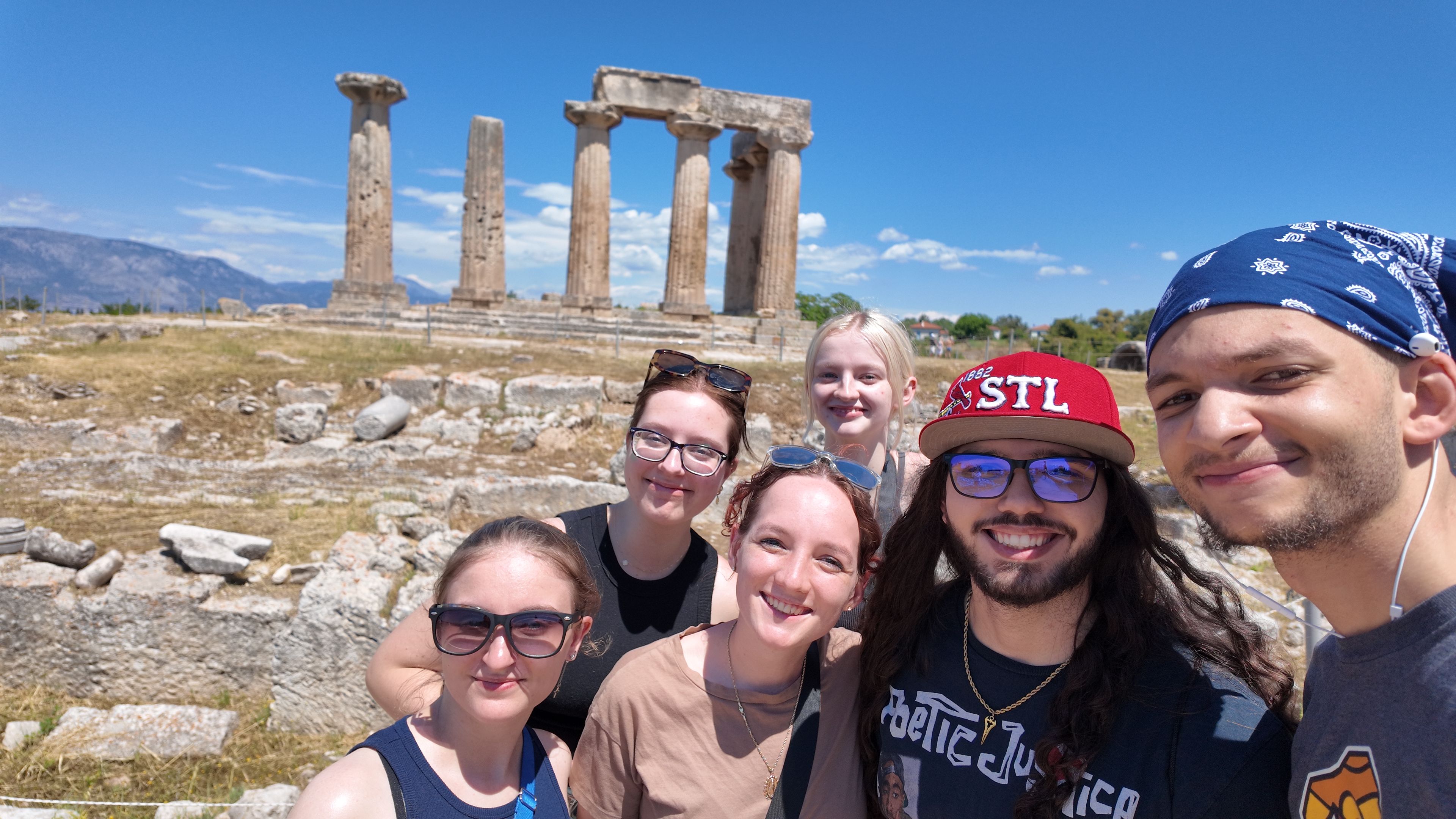
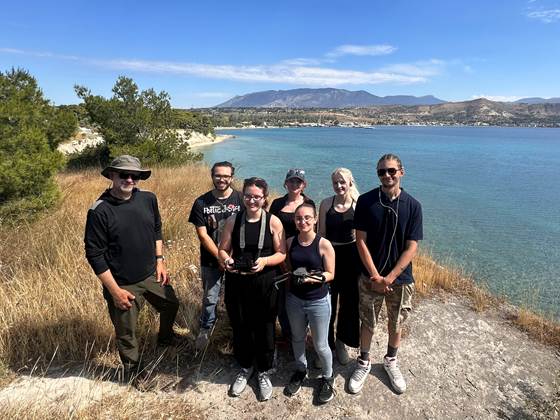
Students Sheyla Baker, Jourdan Carrero, Catherine Guest, Cole Jones, Sophia O’Reilly, and Cordelia Wills participated in the program, representing majors including Game Design, Forensic Science, and Environmental Science and Sustainability. The group also collaborated with students from Messiah University and encountered Michigan State University researchers working at the Isthmia archaeological site.
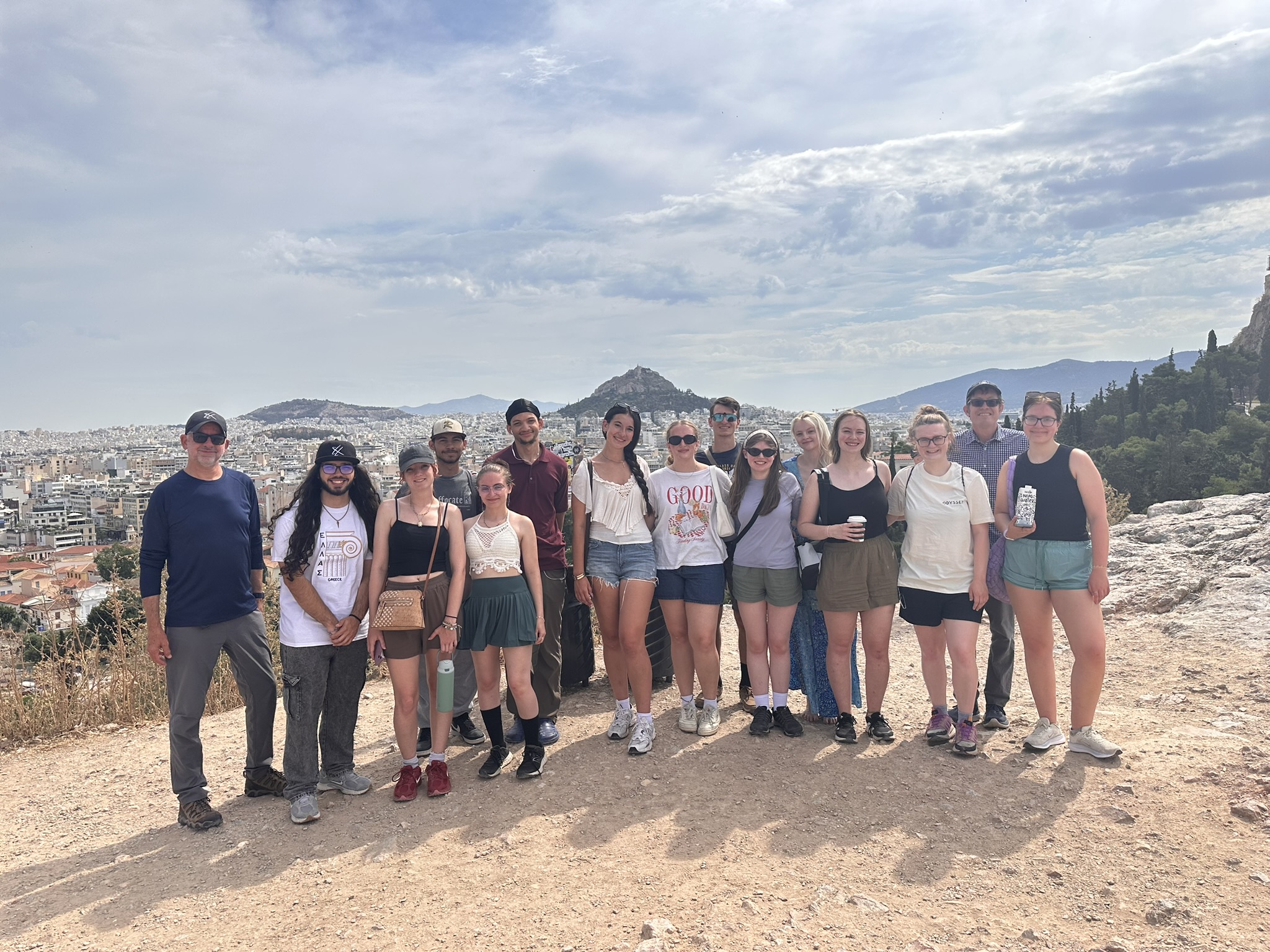
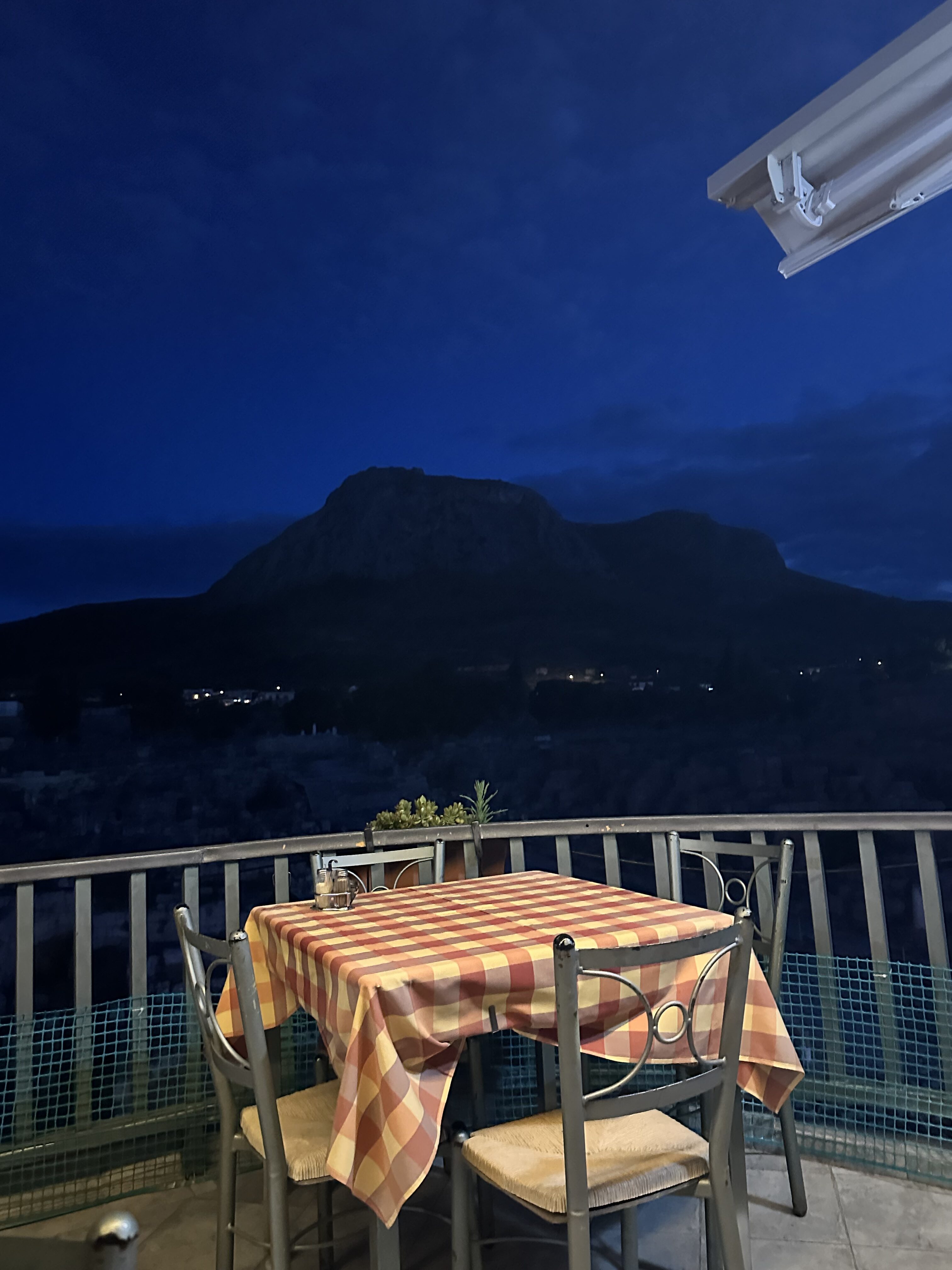
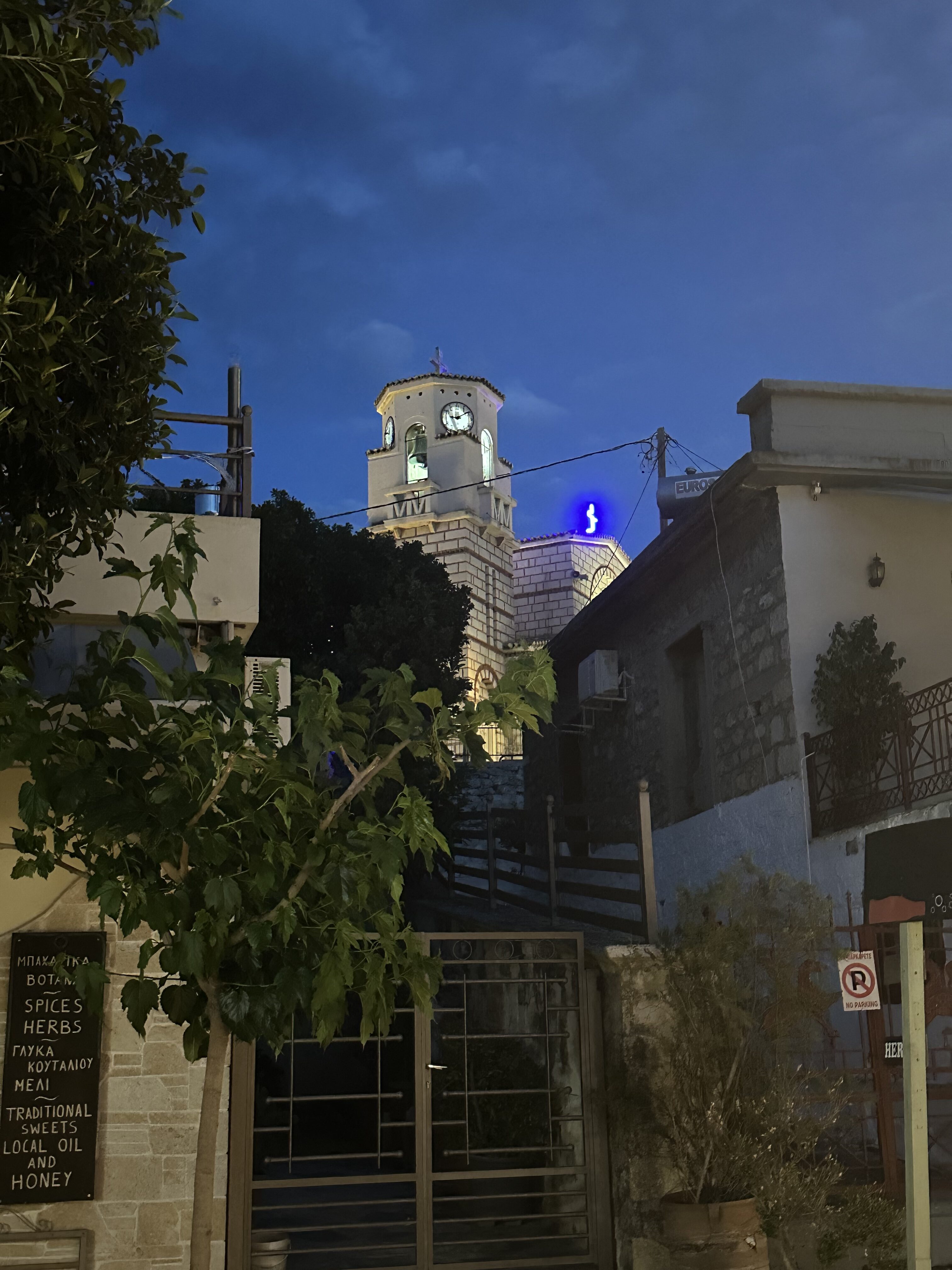
Students lived in a Greek village setting while traveling to archaeological and historical sites throughout the country, documenting their experiences through field notes, photography, and geospatial (GIS) mapping tools.
Ancient Sites and Field Experiences
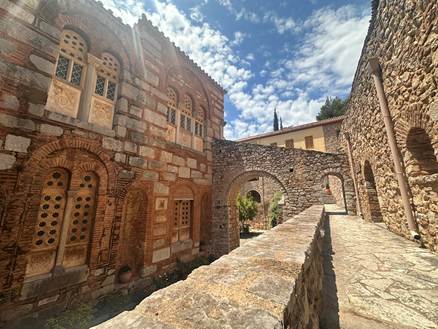
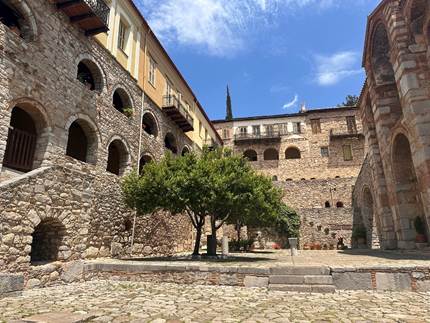
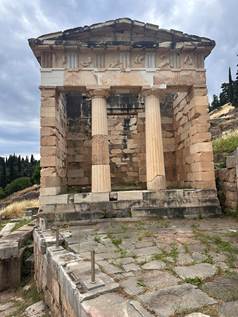
The experience unfolded across some of Greece’s most significant archaeological landscapes, including Ancient Corinth, Acrocorinth, Nemea, Isthmia, the Corinth Canal, Epidaurus, Messene, Nafplio, Delphi, and Athens.
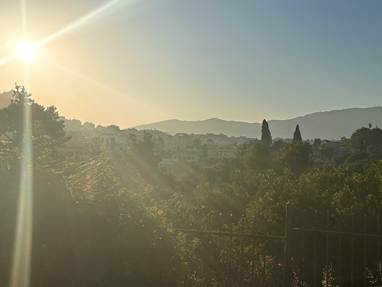
The trip began in Ancient Corinth, where students were immediately immersed in a setting where modern village life exists alongside ancient ruins.
Nearby at Acrocorinth, students explored the elevated fortress’s long history as a strategic stronghold, where successive civilizations controlled a key vantage point over the Peloponnese.
“Just walking up the mountain and seeing that fortress built so long ago felt like stepping back in time,” said Catherine Guest ’27. “It was the first archaeological site we visited, and it was really mind-blowing to see.”
As the group moved across the region, they examined how geography and engineering shaped ancient civilization.
- At Nemea, students studied the Temple of Zeus and its partially reconstructed columns, gaining insight into the scale and ingenuity behind classical construction techniques.
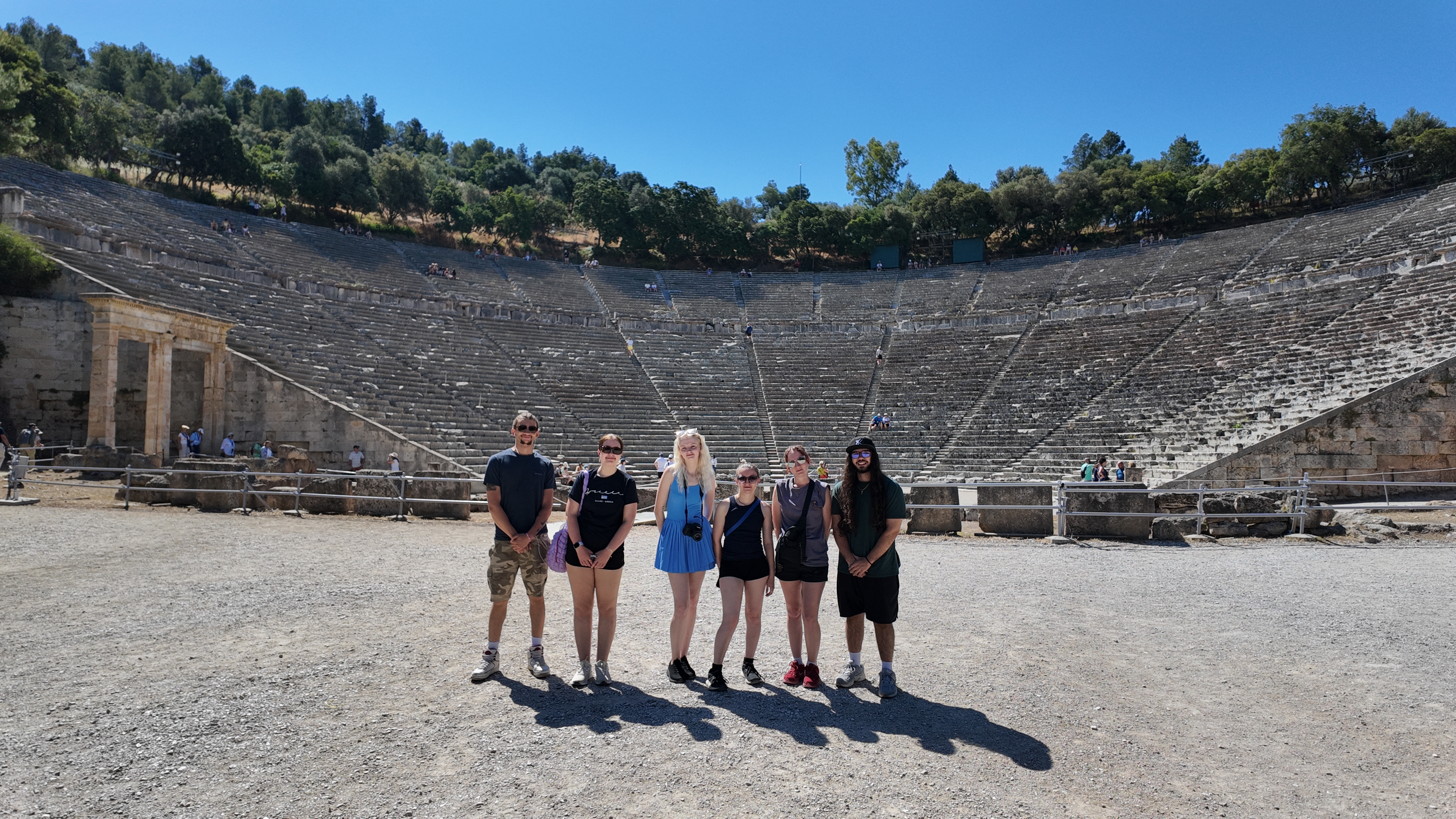
- At Epidaurus, they visited the Sanctuary of Asklepios and its renowned theater, celebrated for its near-perfect acoustics and enduring design.
- In Messene, they explored one of the most expansive archaeological sites in Greece, where theaters, stadiums, and Roman baths reflected centuries of Hellenistic and Roman influence on civic life.
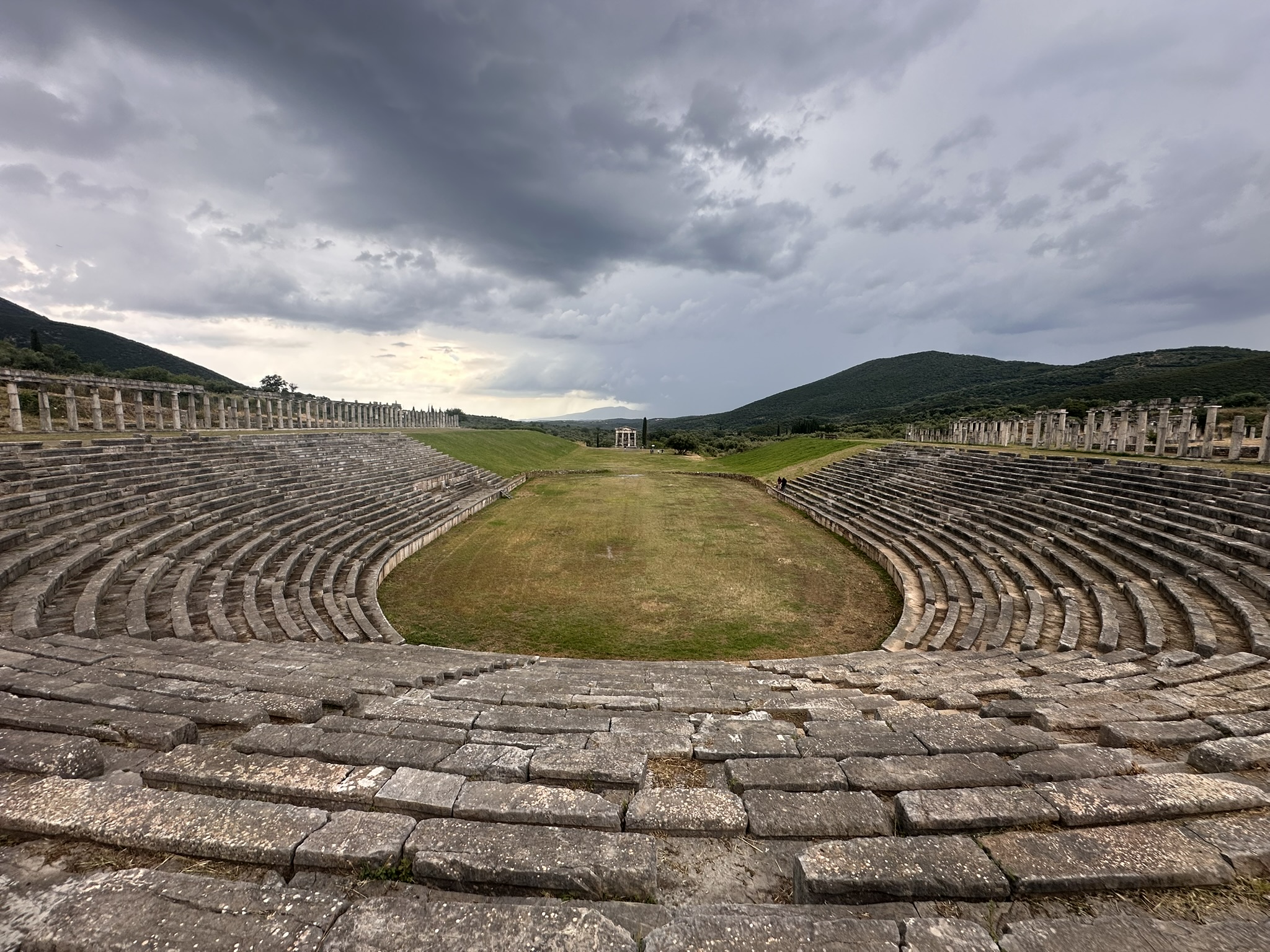
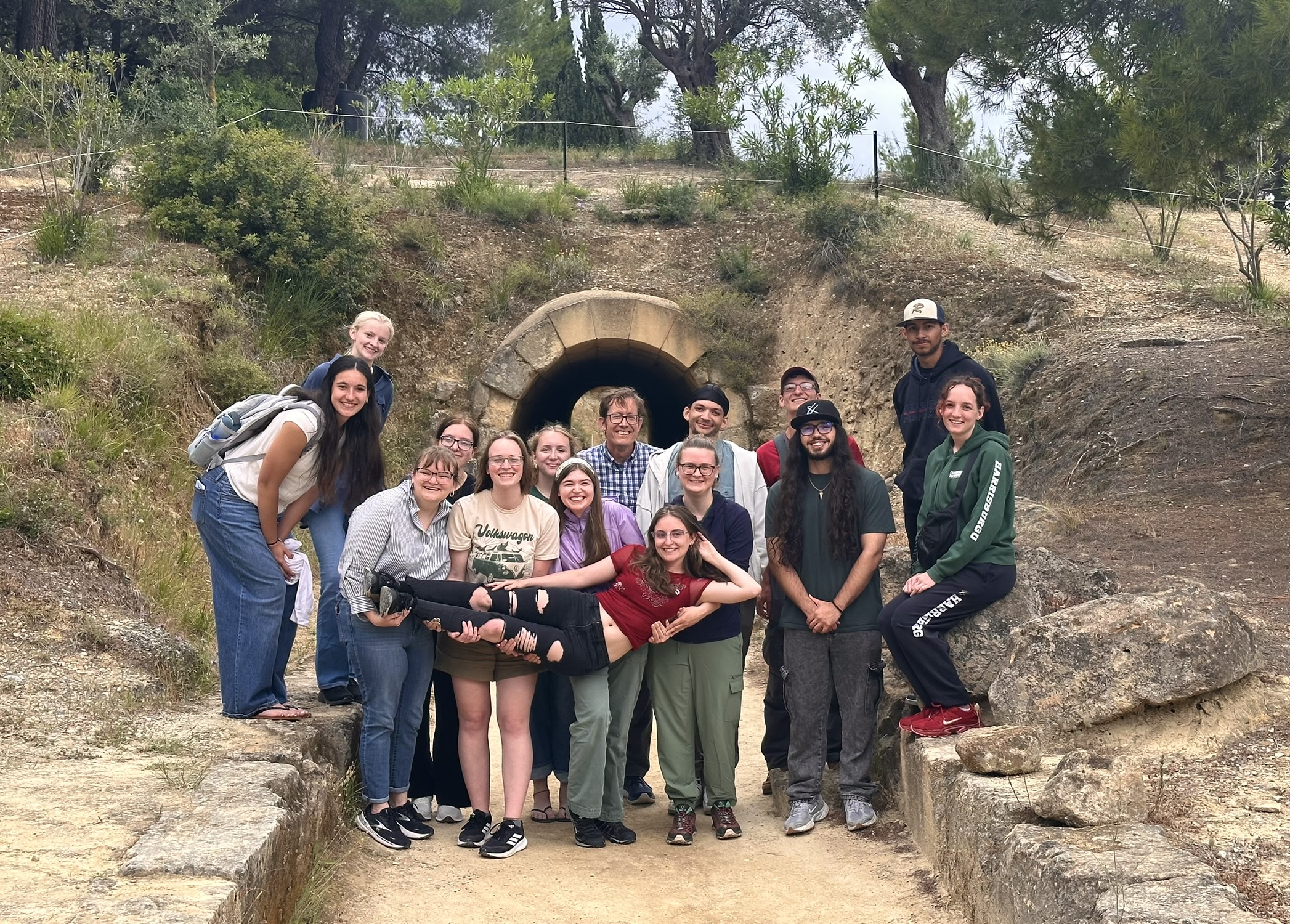
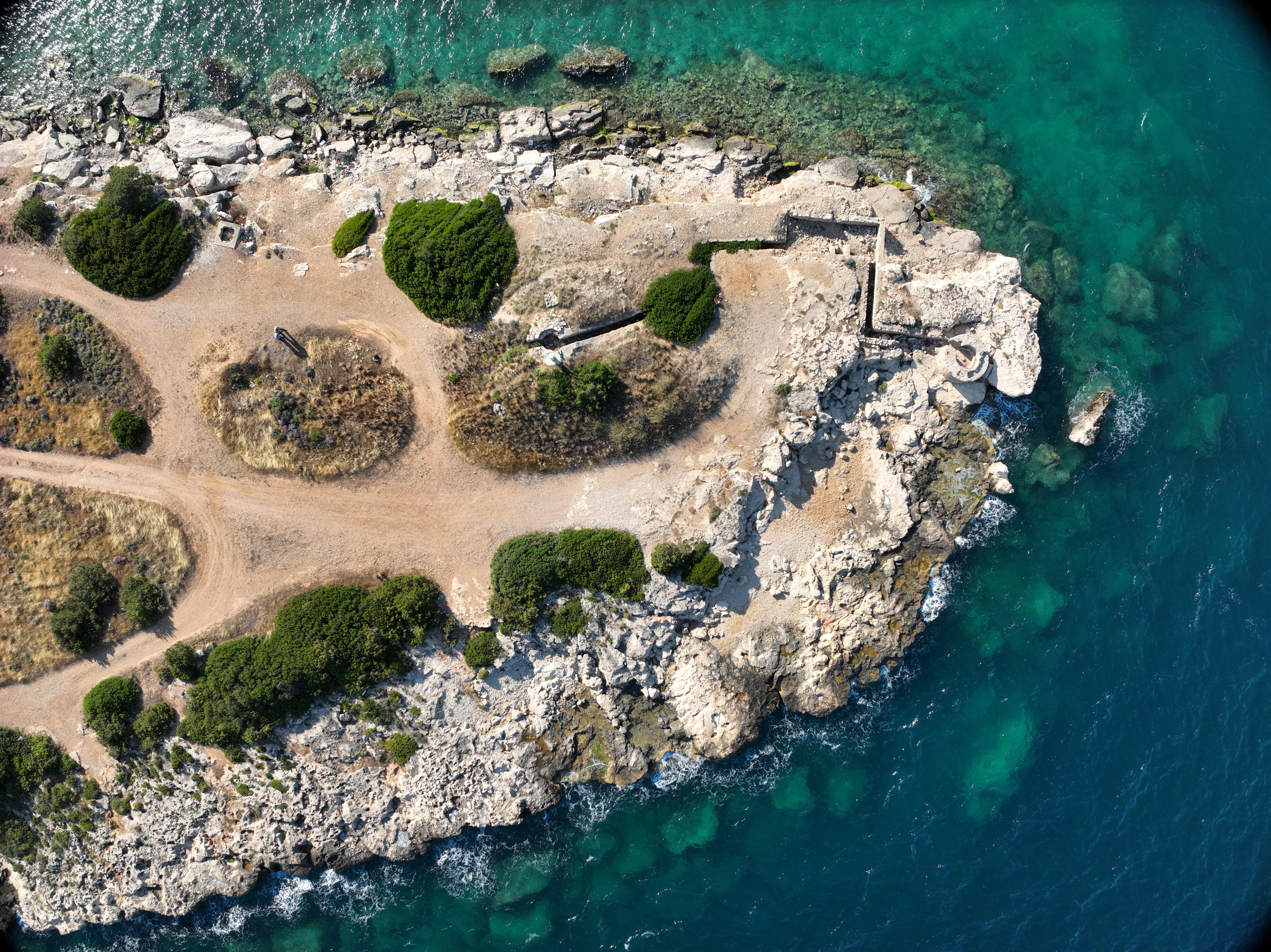
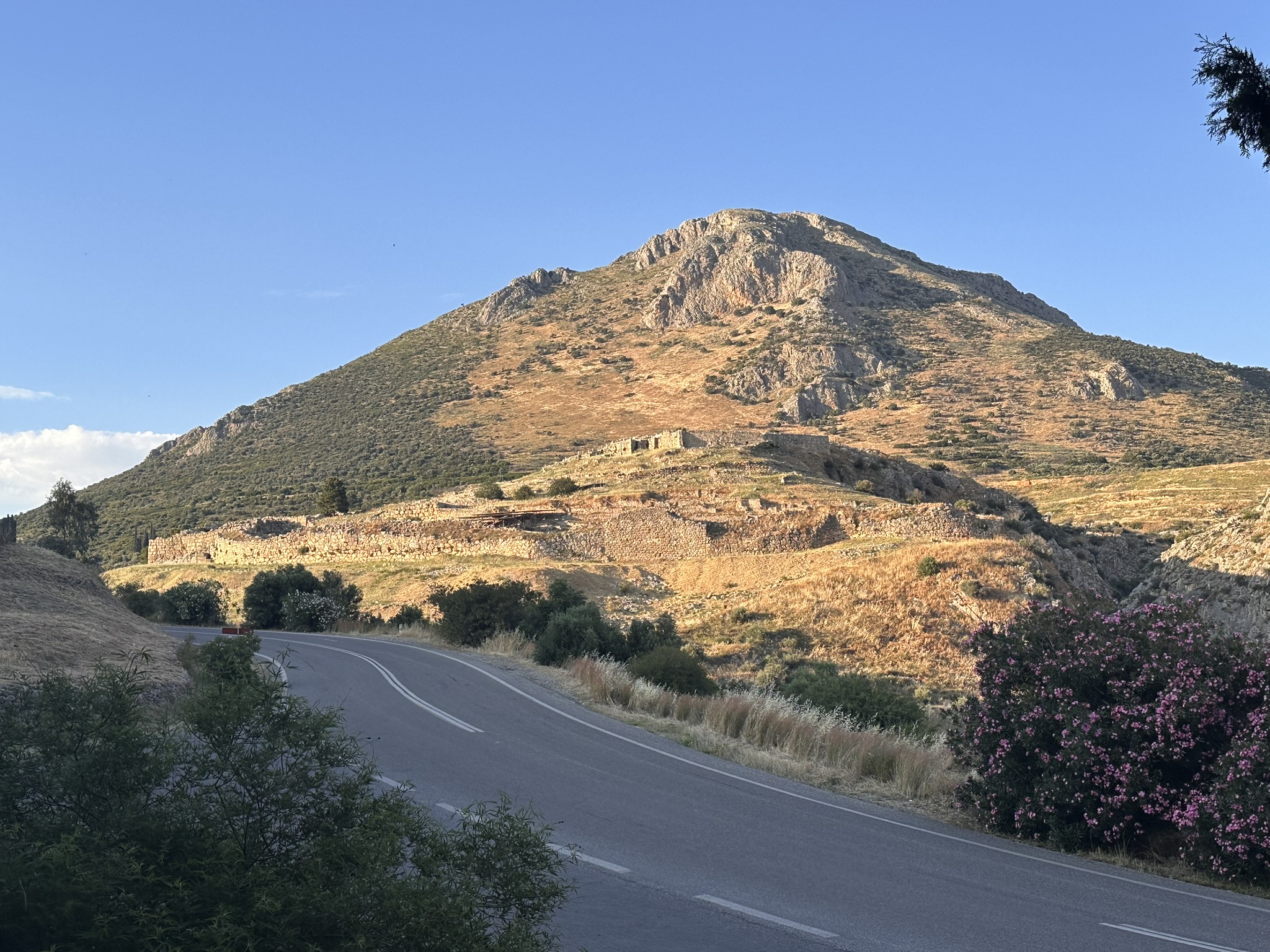
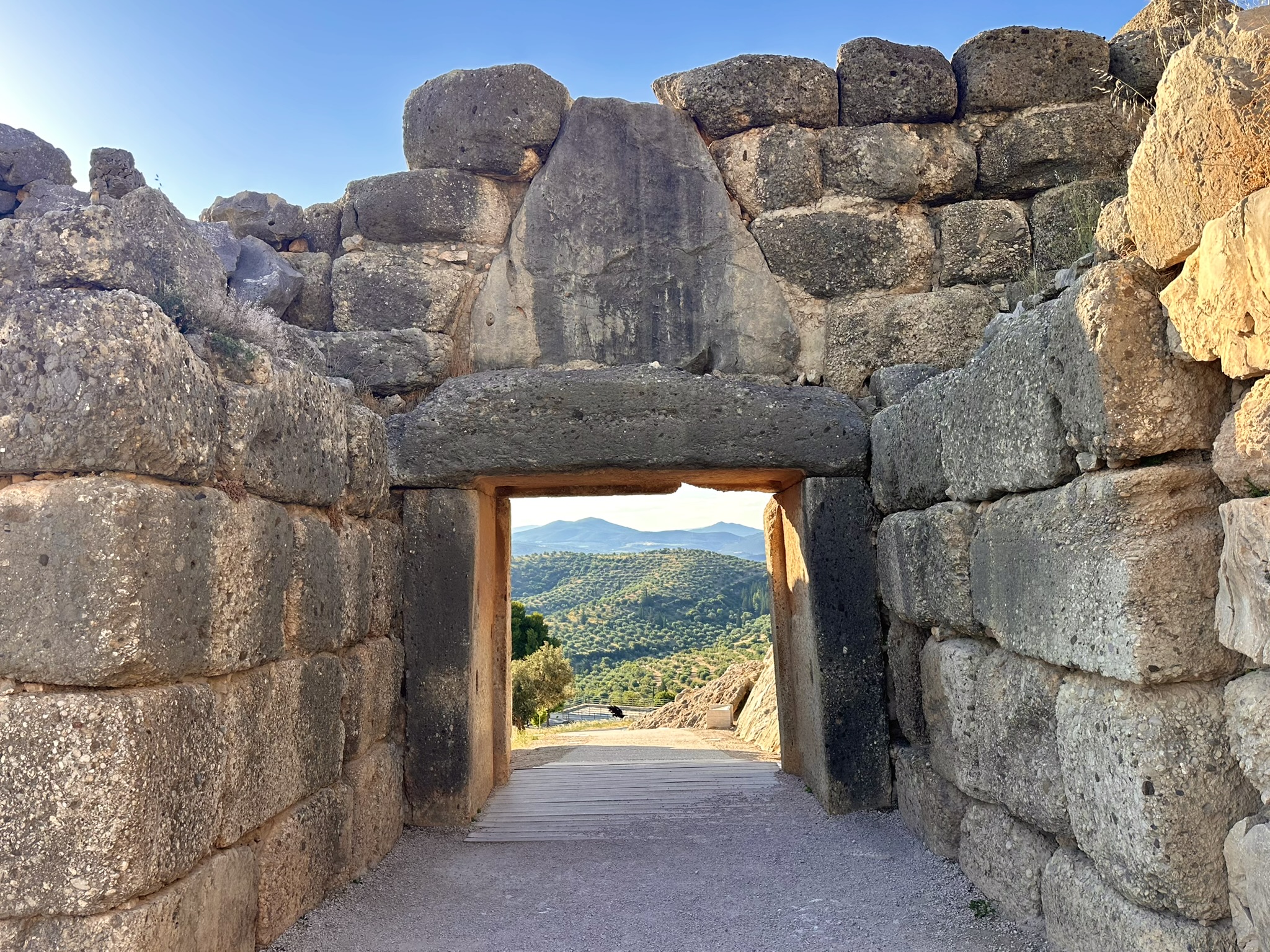
Other stops, including the Corinth Canal and Isthmia, connected ancient history with ongoing archaeological research and modern infrastructure. At Isthmia, students observed active excavation efforts tied to ancient transportation routes and regional movement, while Lechaion offered insight into one of the Gulf of Corinth’s most significant but still partially uncovered harbor sites.
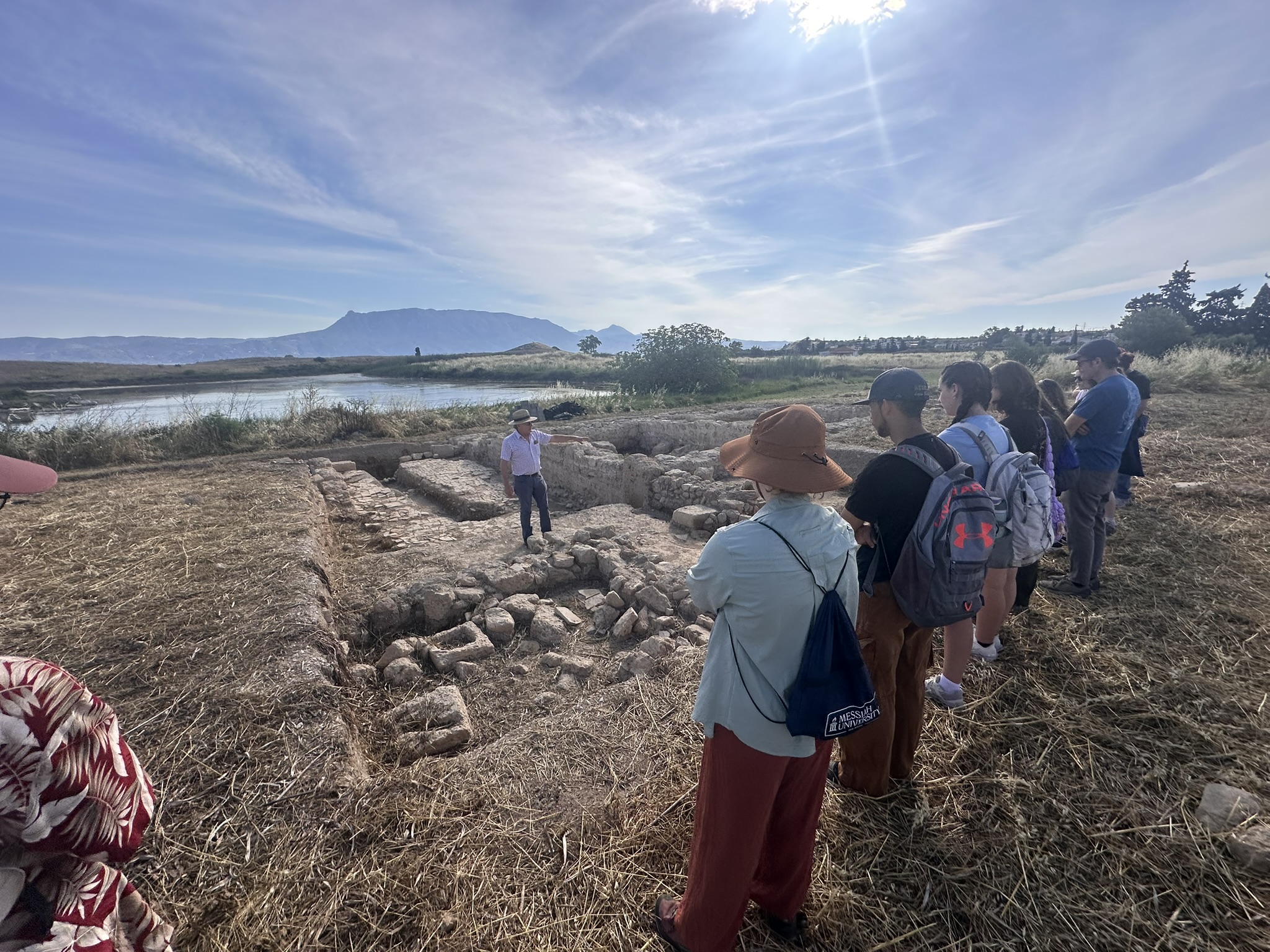
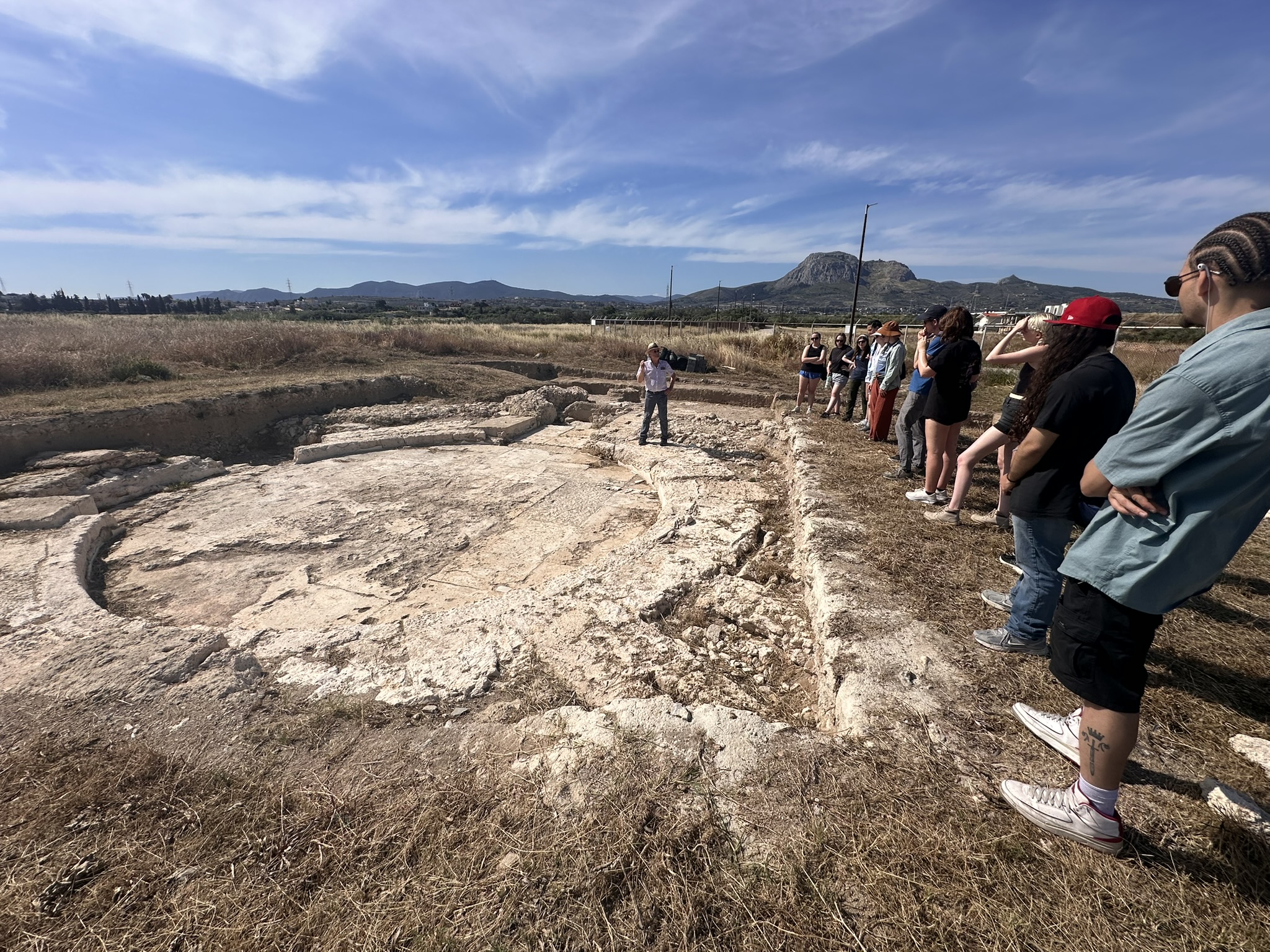
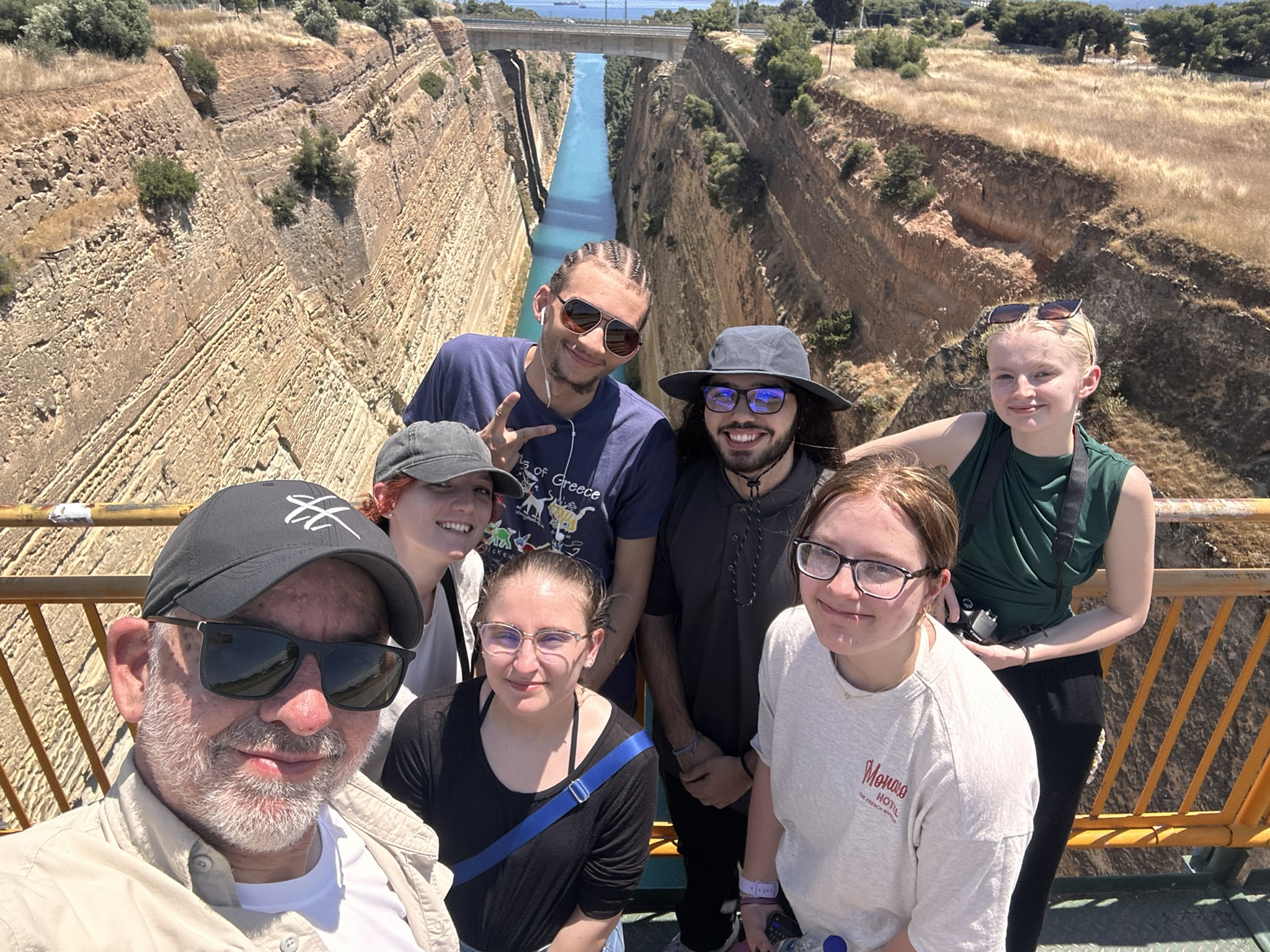
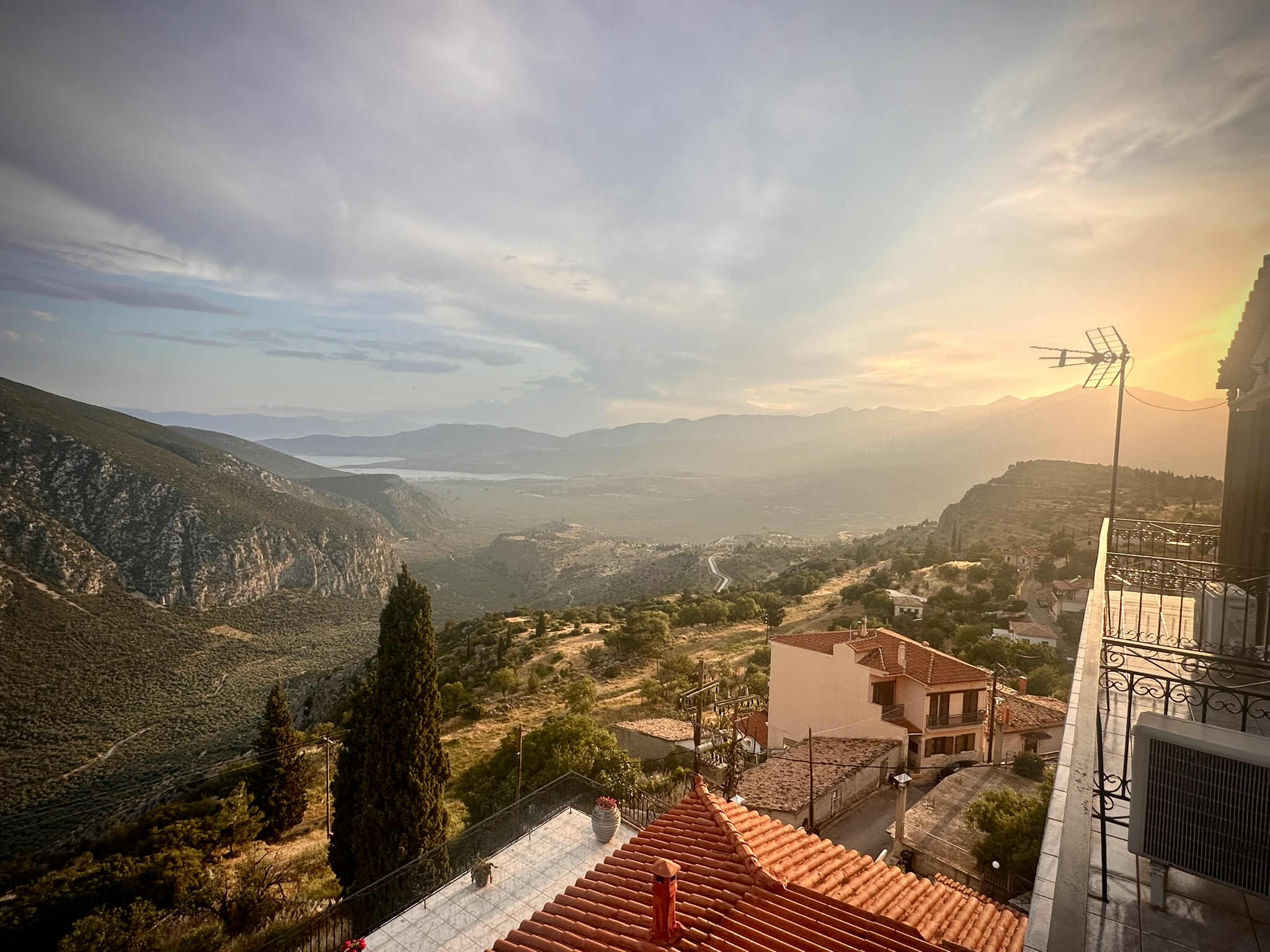
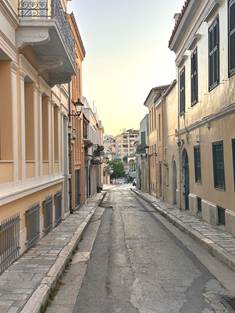
The journey also extended to Nafplio and Delphi, where students encountered a blend of historic architecture, coastal urban life, and sacred landscapes.
Geospatial Fieldwork and Drone Mapping
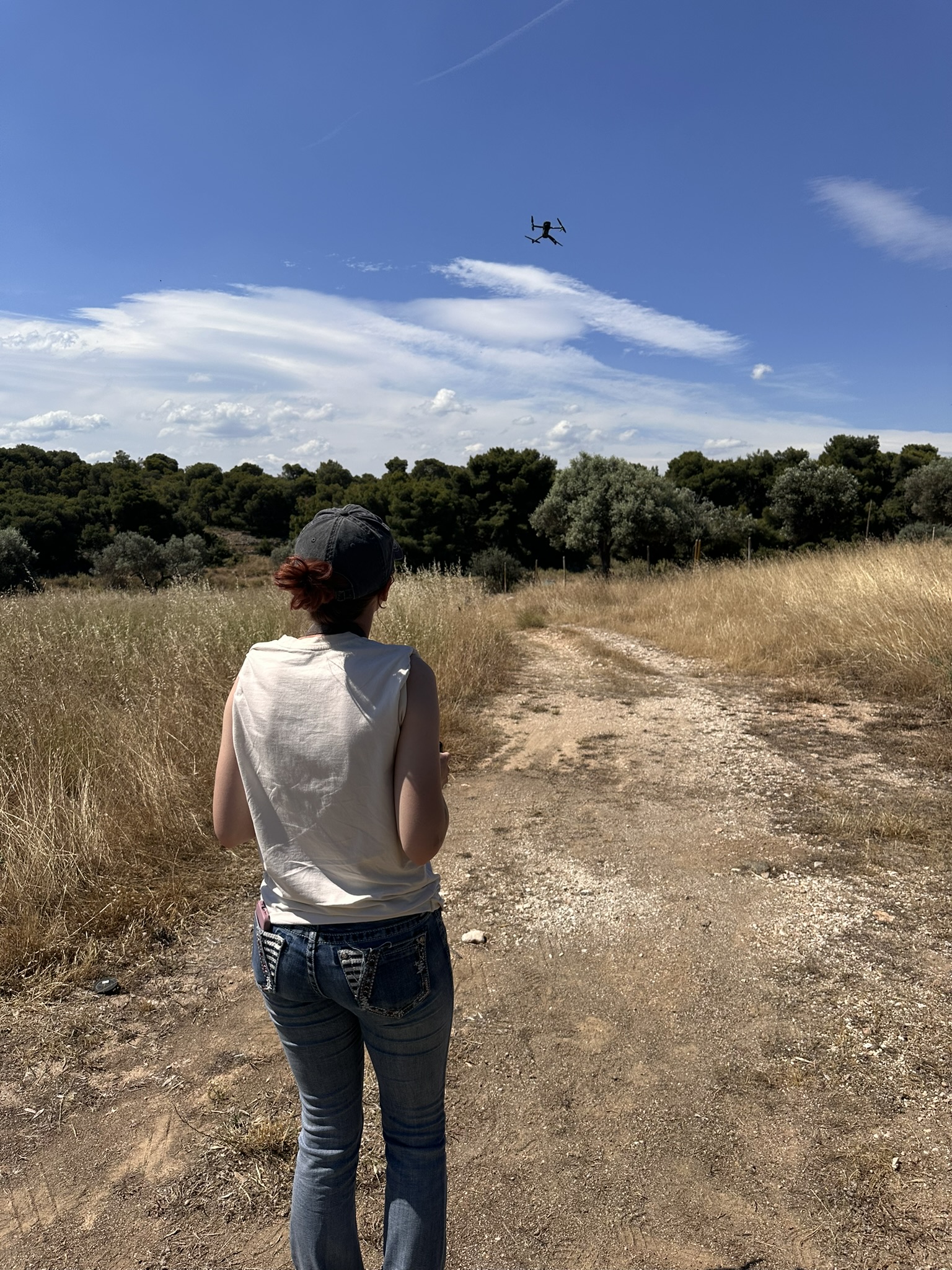
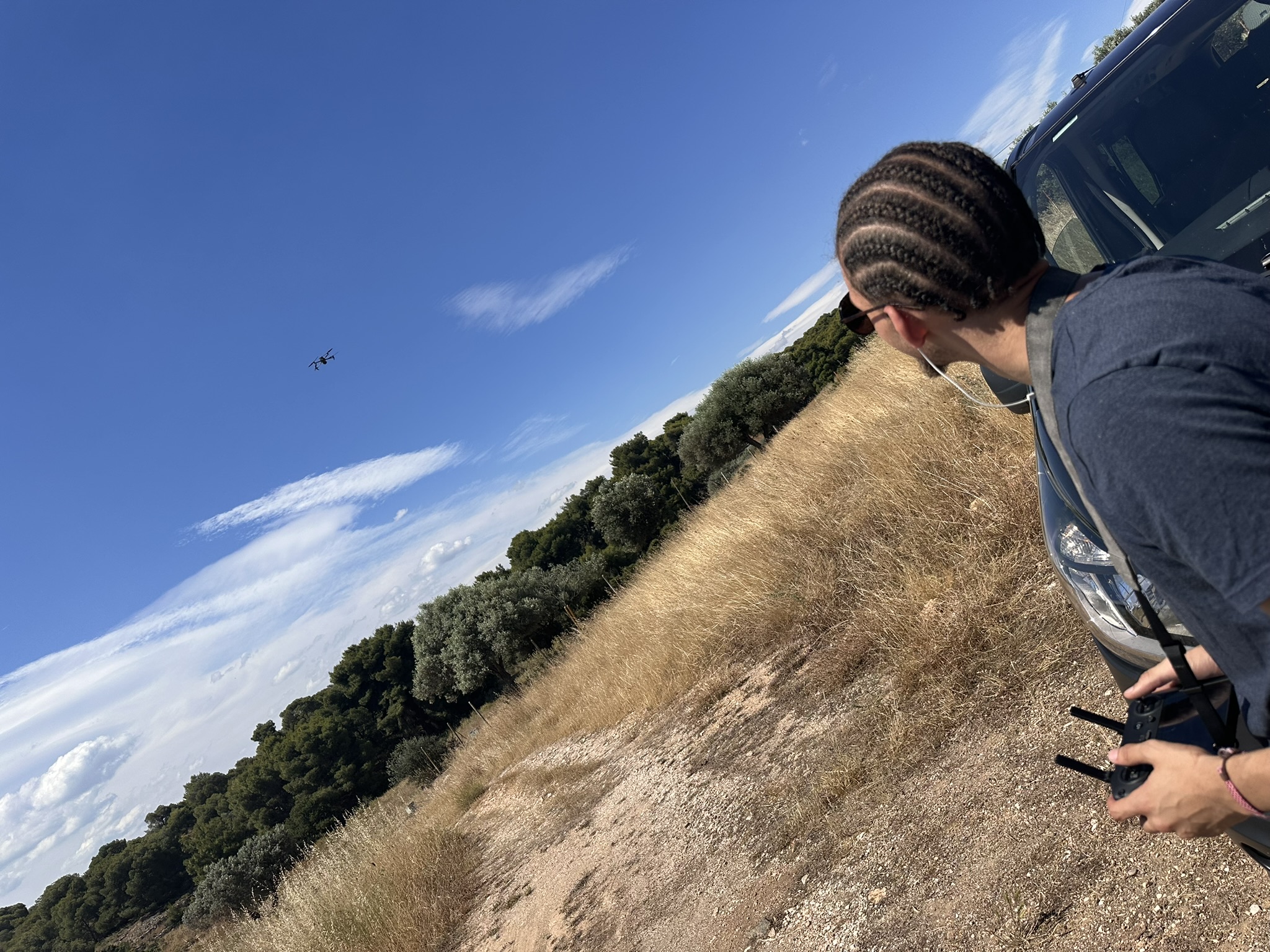
A significant component of the course involved geospatial fieldwork using GPS tools and drone-based LiDAR scanning to document terrain near the Hexamilion Wall, a Byzantine-era fortification that once stretched across the Isthmus of Corinth.
Students assisted in scanning areas where portions of the wall are believed to be obscured or degraded due to vegetation and modern development, contributing to ongoing efforts to reconstruct its original path and structure through digital mapping techniques.
Cultural Immersion and Daily Life in Greece
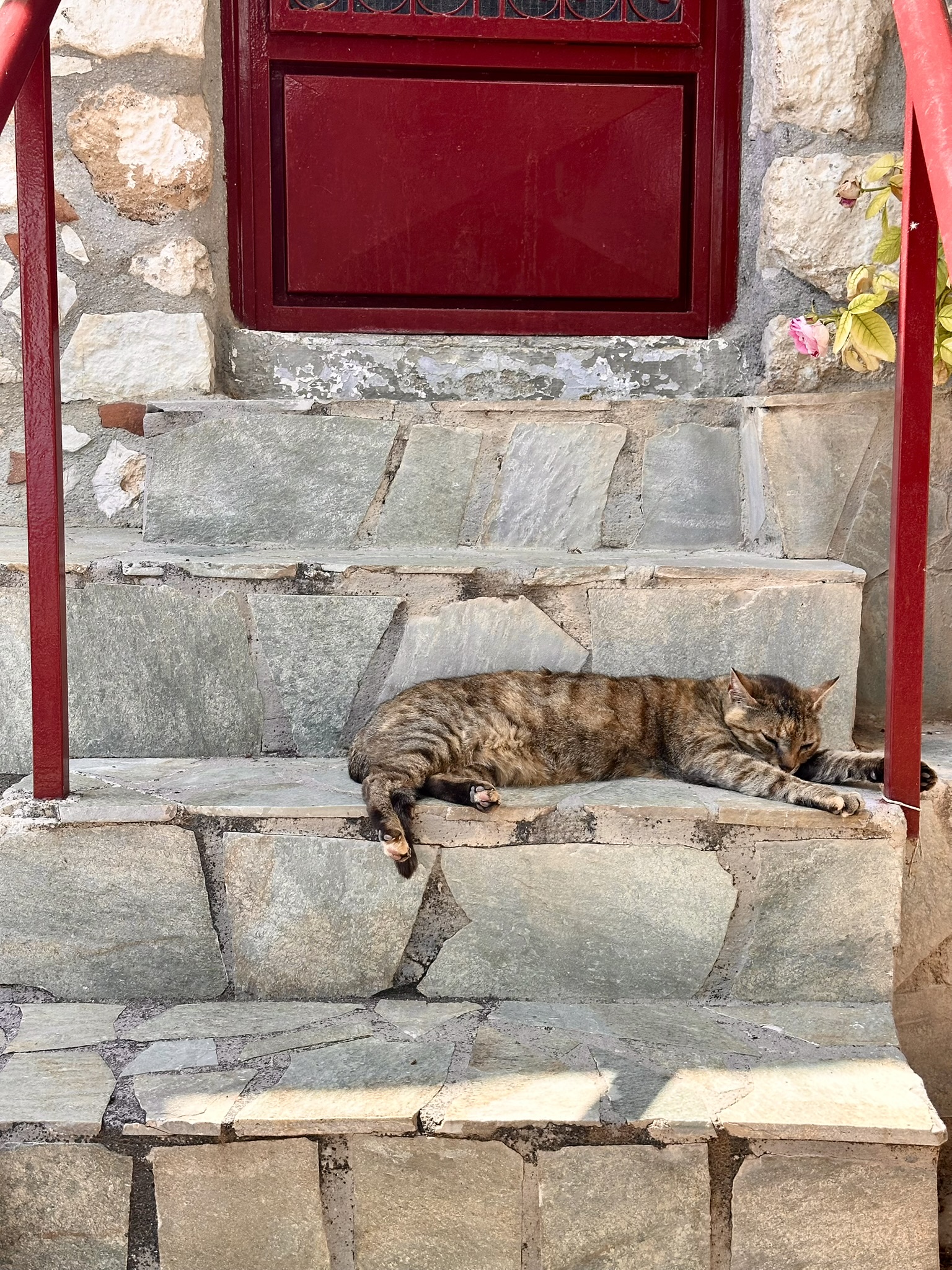
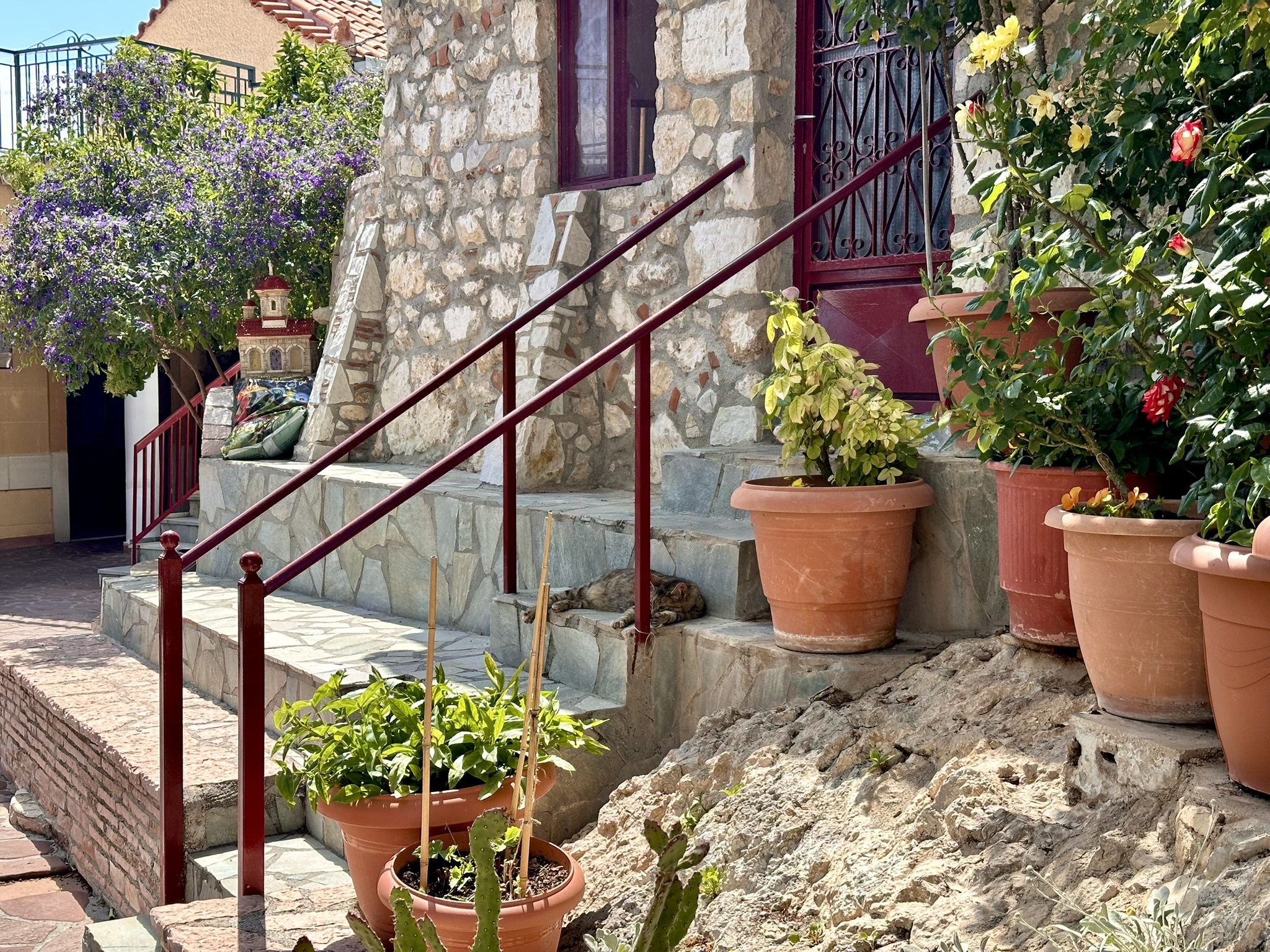
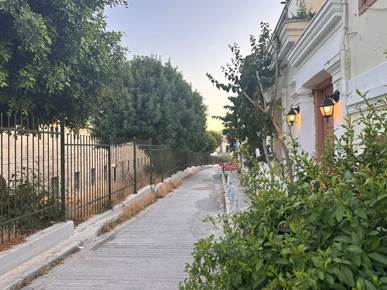
Beyond field sites, students experienced daily life in Greece through extended stays in village settings and travel across smaller towns and coastal regions.
“Coffee here is a two-hour experience,” said Cordelia Wills. “Everybody is basically on their own schedule.”
Sheyla Baker reflected on how this slower pace shifted her perspective: “One lesson I learned is to take things slow. You get the moment to look around, appreciate your surroundings, and just be present in a way that is different from home.” She also noted that the experience changed how she views travel and independence: “I would be comfortable spending more time abroad and experiencing new places. I would be OK going out, meeting new people, and exploring the world instead of staying in one place.”
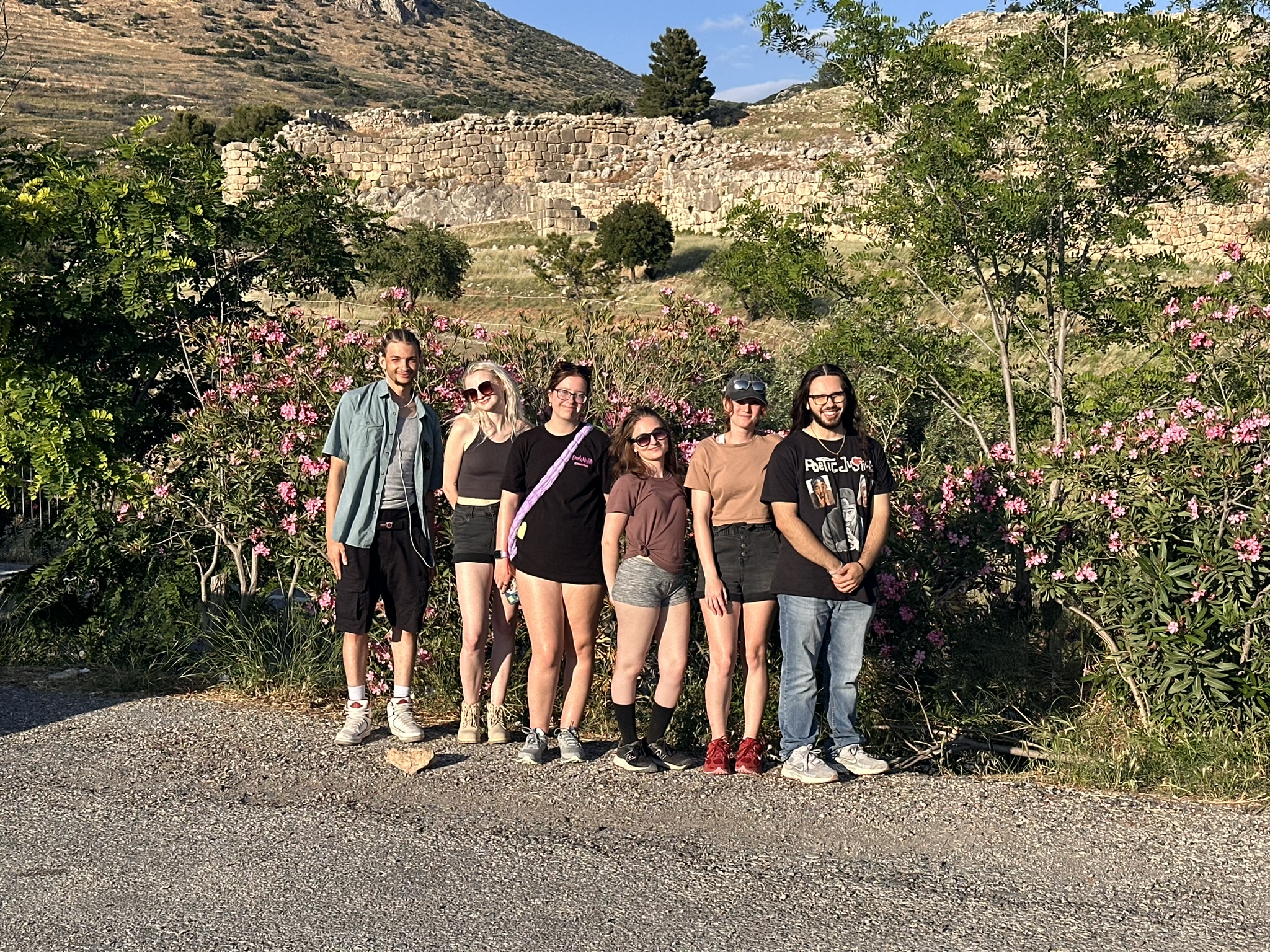
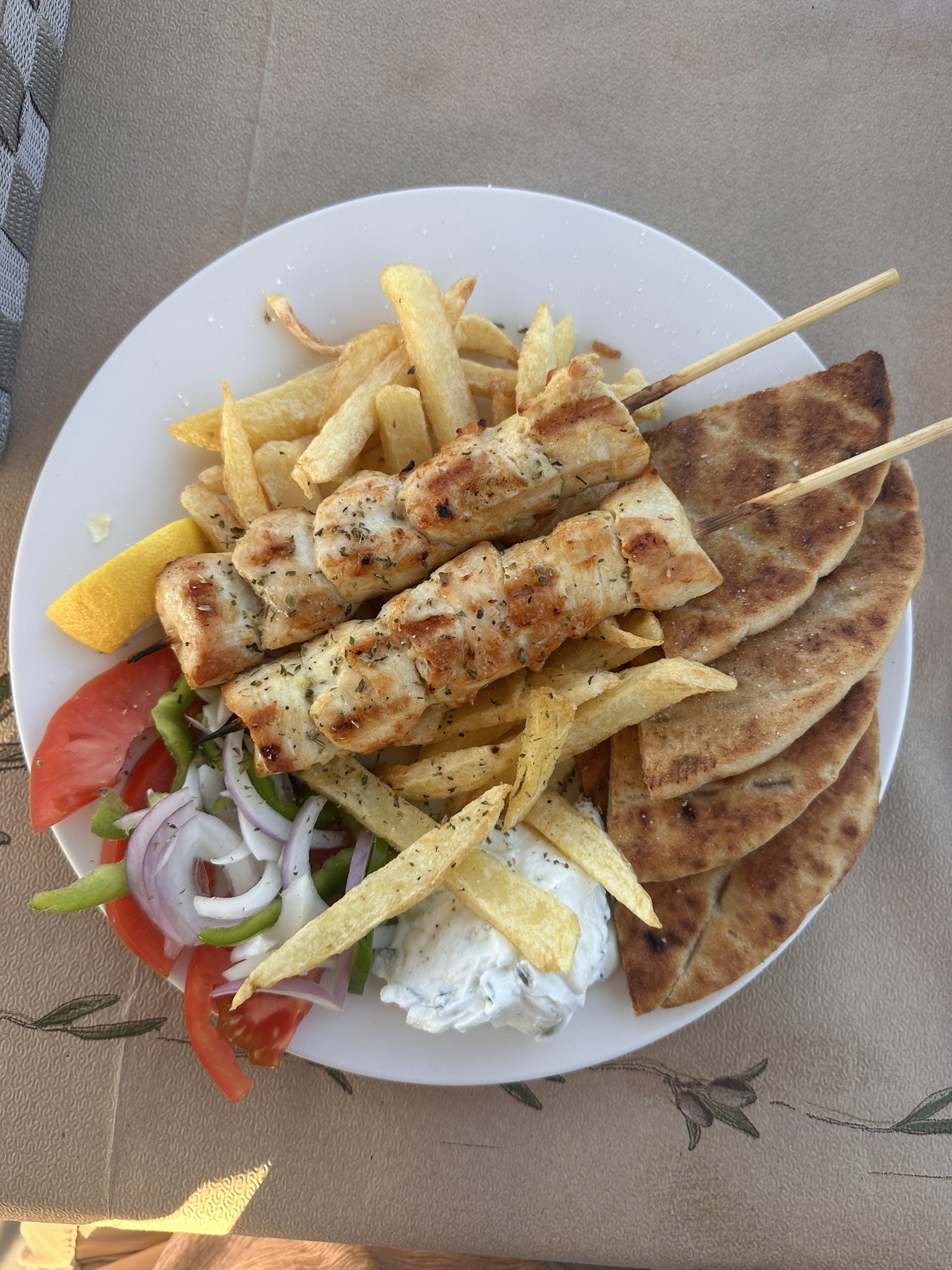
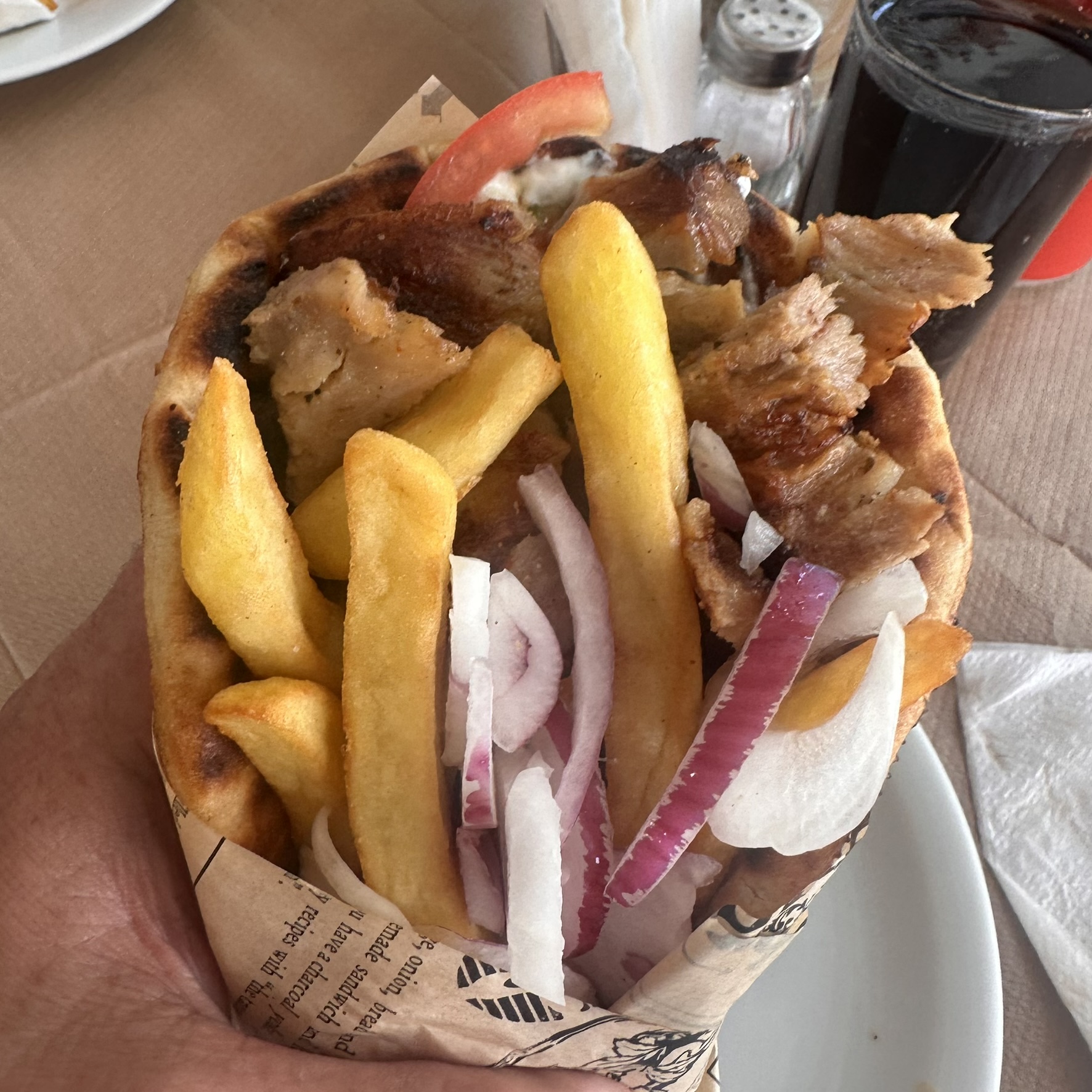
For Cole Jones, the experience ultimately centered on shared human connection. “The one lesson I would take away is that we’re all really just humans,” he said. “We laugh at the same jokes, enjoy the same food, and connect in the same ways, even if we come from different parts of the world.”
Athens and the Journey’s Close
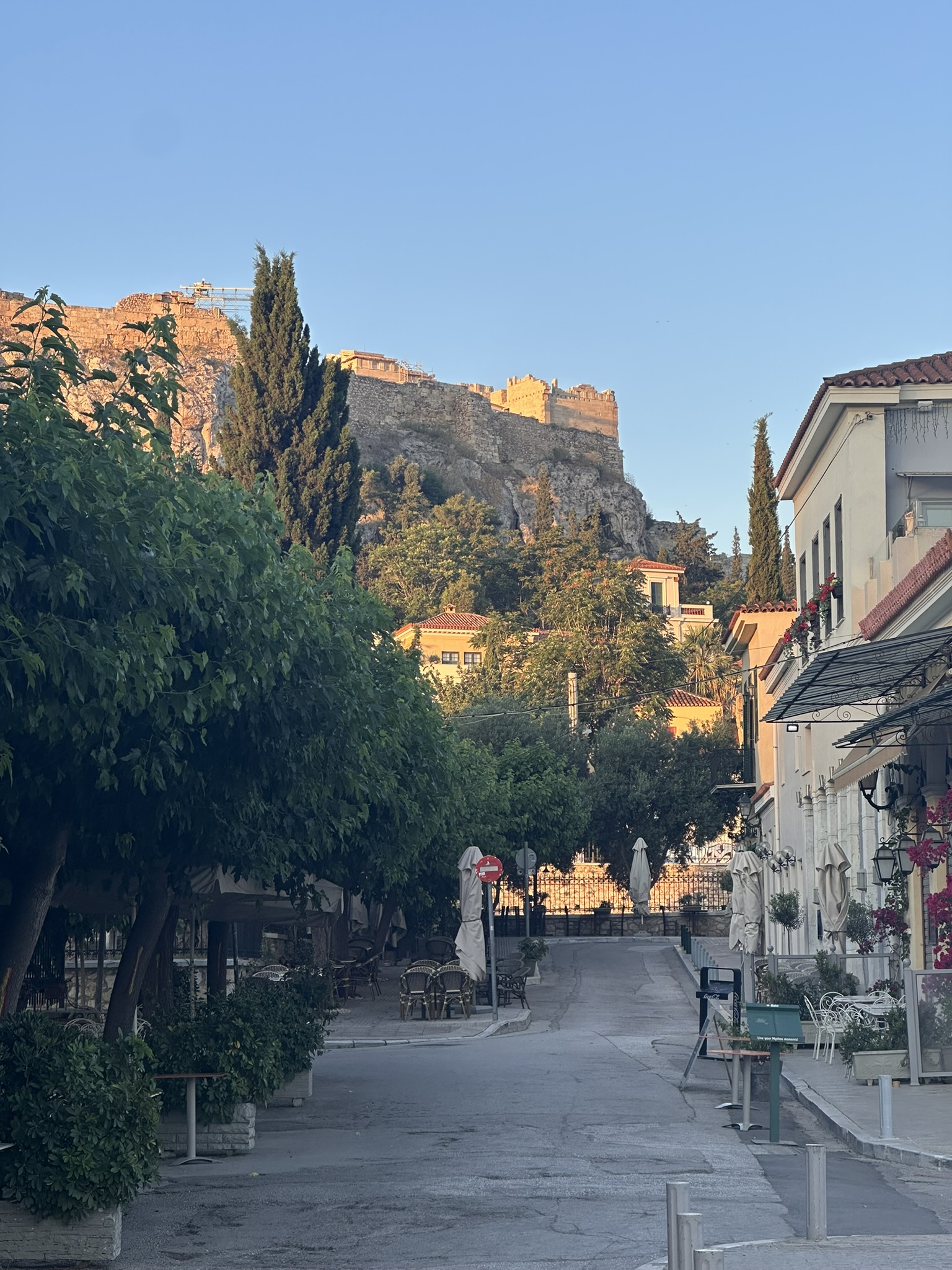
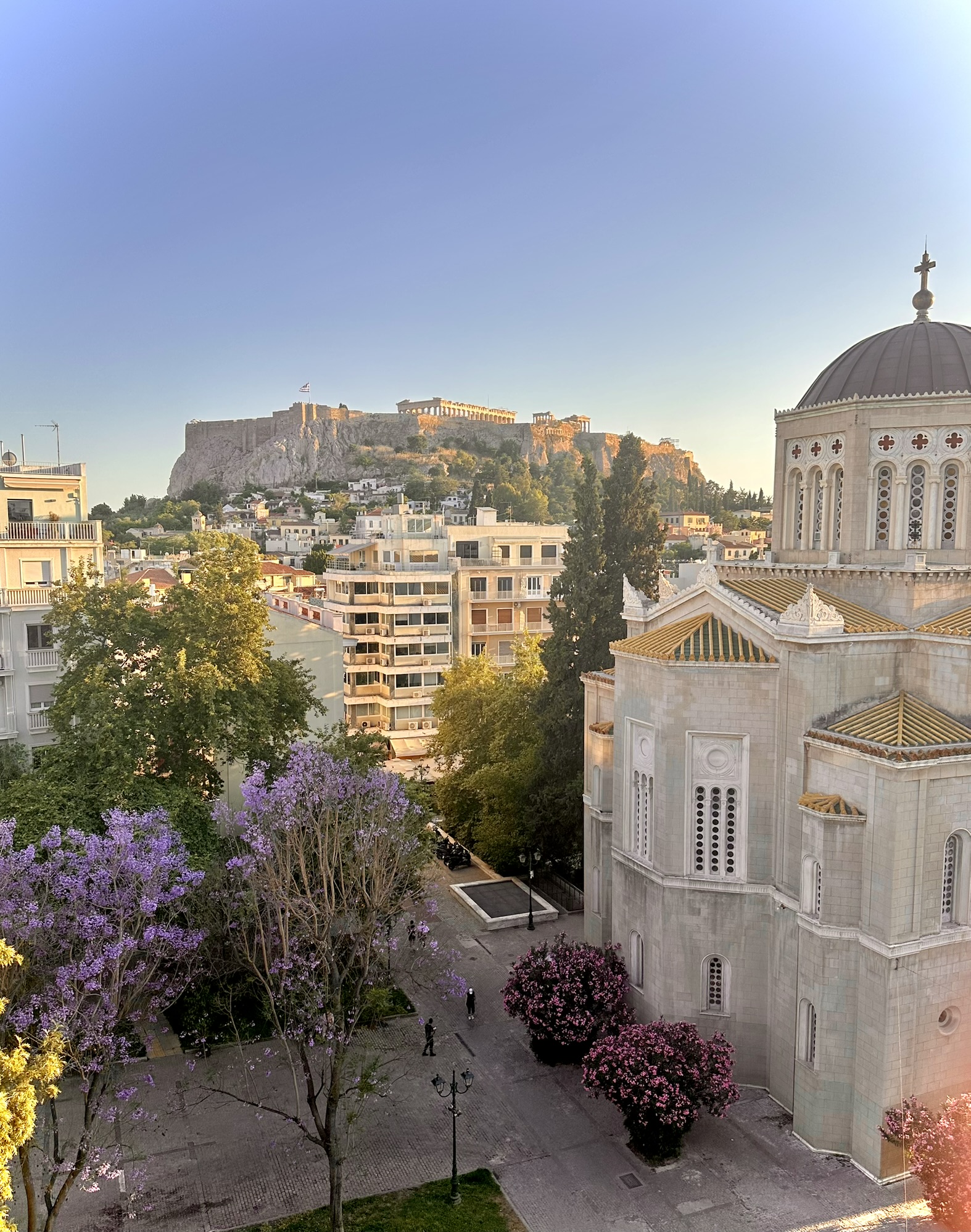
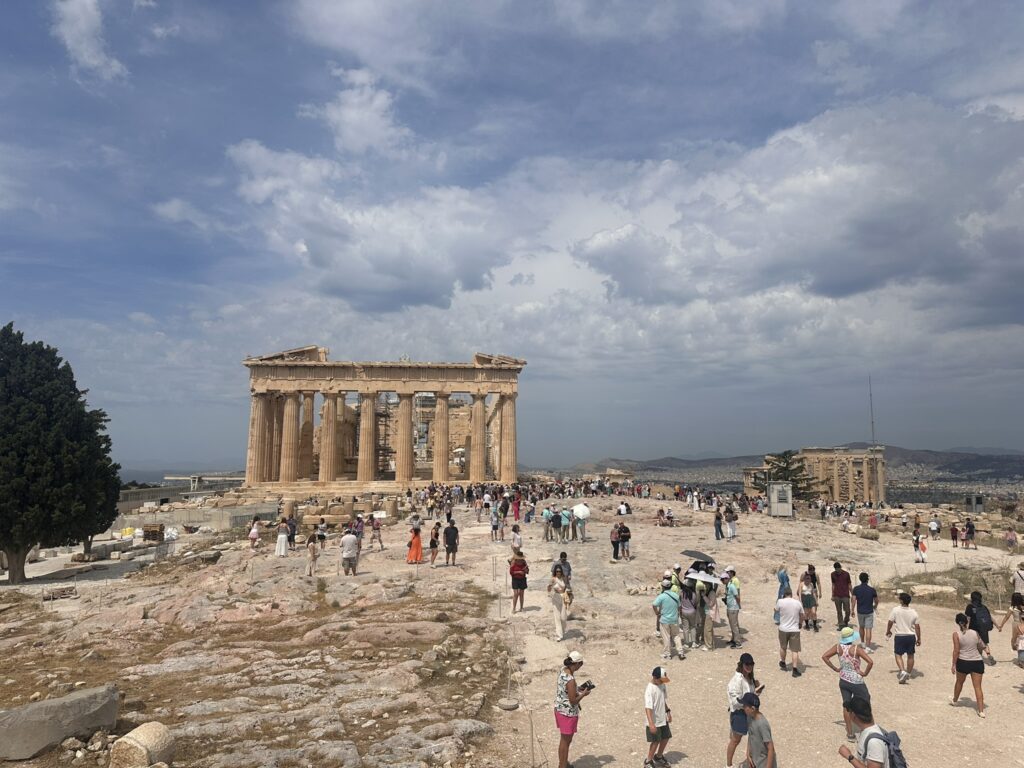
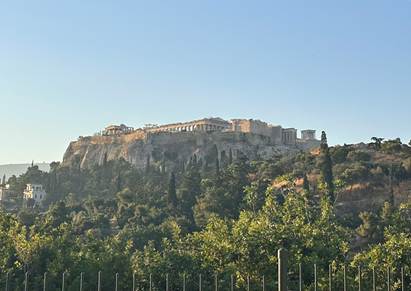
The program concluded in Athens, where students visited major landmarks including the Acropolis and Ancient Agora, offering a final perspective on the scale and legacy of ancient Greek civilization.
As the experience came to a close, students reflected on both personal growth and the value of studying abroad.
“What I would tell someone who is hesitant about international field studies is that what you do here outweighs any anxieties you might have,” said Sophia O’Reilly. “I was so nervous going into a nine-hour plane ride and living in a village for three weeks, but everything here just melted that anxiety away.”
For Jourdan Carrero, the experience drove home the importance of taking opportunities when they arise. “I’d tell somebody who is hesitant to take that opportunity while you can. You never know when you’re going to be able to go overseas and experience a whole different country,” he said.
As part of the course, each student created a StoryMap that combines photography, reflections, and geospatial data to document their fieldwork and experiences throughout Greece. One of the StoryMaps, created by Jourdan Carrero, can be viewed here:
Greece Field Studies 2026: Personal Story Map of Greece, by Jourdan Carrero (May 21, 2026)
# # #
ABOUT HARRISBURG UNIVERSITY
Harrisburg University of Science and Technology (HU) is an independent, nonprofit university offering degrees in advanced manufacturing, engineering, robotics, nursing, cybersecurity, and other critical fields. Accredited by the Middle States Commission on Higher Education, HU serves a diverse student body through bachelor’s, master’s, and doctoral programs that link learning and research with practical applications. For information about HU’s affordable STEM degrees and professional development programs, call 717.901.5146 or email Connect@HarrisburgU.edu. Stay in the know by following Harrisburg University on LinkedIn, Instagram, and Facebook.
MEDIA CONTACT
Do you have questions about this story? Interested in lining up an interview? Please contact Dan Wilhelm, Director of Communications for Harrisburg University, at DWilhelm@HarrisburgU.edu or 717.901.5100, ext. 1724.
# # #