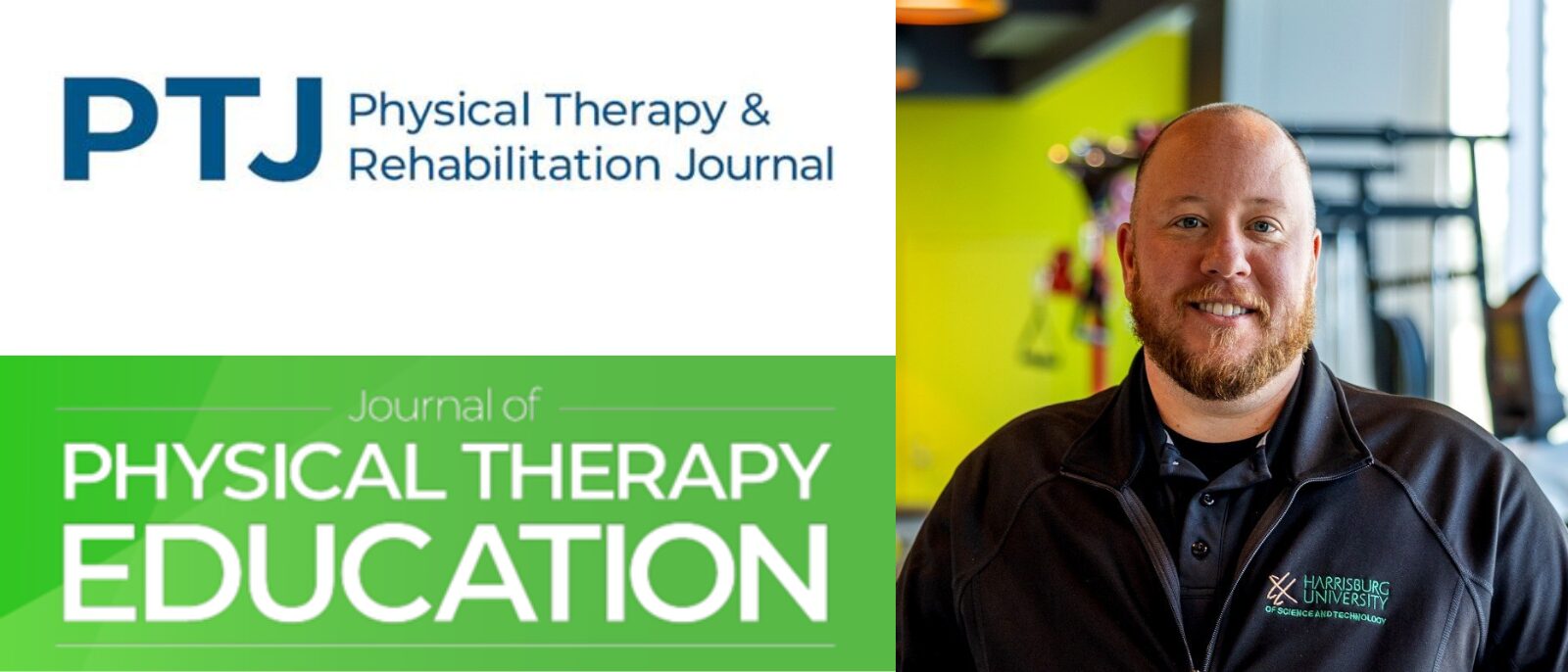
HARRISBURG, PA — Harrisburg University of Science & Technology (HU) is proud to announce that Chris Condran, PT, DPT, EdD, MBA-HCM, MS, ACSM-EP, NSPA-CS, Assistant Professor of Physical Therapy, recently published two peer-reviewed research publications. Together, these studies advance understanding in two essential domains of physical therapy education and practice: inclusive clinical care for transgender, nonbinary, and gender-diverse patients; and the measurement of belongingness among Doctor of Physical Therapy (DPT) students.
Inclusive Care for Marginalized Individuals
The first study, “Chest Binding and the Role of the Physical Therapist: A Commitment to Care” (Physical Therapy & Rehabilitation Journal, Oxford University Press), examines the essential role physical therapists can play in supporting the health and well-being of individuals who engage in chest binding: a common gender-affirming practice among transgender, nonbinary, and gender-diverse individuals.
The authors note that chest binding is often used to increase gender congruence and support emotional well-being, but it may also cause physical symptoms such as shortness of breath, rib pain, and postural changes. Physical therapists are uniquely positioned to help mitigate these challenges through evidence-informed assessment, pain management strategies, and movement-based interventions. The paper highlights both the clinical opportunities and the moral imperatives associated with equitable and inclusive care.
In the abstract, the authors emphasize that improving access to culturally responsive rehabilitation services may reduce long-standing health inequities experienced by LGBTQIA+ individuals. Physical therapists, they write, can be “the provider of choice in minimizing the symptom burden and adverse effects of binding,” but doing so requires a meaningful commitment to building trust, deepening clinical understanding, and actively signaling readiness to provide inclusive care.
Dr. Condran notes that the research team sought to bridge a gap in both clinical literature and practice:
“Our goal was to demonstrate that physical therapists can play a meaningful role in supporting individuals who chest bind by promoting practices that protect health and affirm identity. As movement experts, physical therapists bring a unique combination of clinical skills and systems-level knowledge that positions them to understand and address the physical demands associated with binding. By engaging compassionately and competently, we can help foster trust in the healthcare system and ensure that all individuals who seek care feel seen, respected, and safely supported.”
The study contributes to growing national conversations about inclusive healthcare and provides a framework for how physical therapists can better meet the needs of a population that has historically faced barriers in accessing high-quality care.
The Belongingness Scale
Dr. Condran also co-authored a second research study published in the APTA’s Journal of Physical Therapy Education: “The Belongingness Scale for Physical Therapy Education: Validation in Doctor of Physical Therapy Students.” The study appears in the November 2025 issue.
This research focuses on a central question in higher education: How can programs measure and strengthen students’ sense of belonging? Belongingness is recognized as a key predictor of academic performance, emotional well-being, clinical readiness, and retention in health professions programs. Until now, however, physical therapy education lacked a validated, discipline-specific tool to measure it.
To address this gap, the authors adapted the existing Belongingness in Higher Education Institutions (BES-HE) scale specifically for DPT students. More than 300 students from across the United States completed the modified scale. Through factor analysis, the researchers identified a four-factor structure (community cohesion, interpersonal connection, social inclusion, and satisfaction with faculty and staff) that reflects the unique dimensions of belongingness within PT education.
The resulting instrument, the Belongingness Scale for Physical Therapy Education (BES-PTE), is a validated, 33-item tool with strong internal consistency. The scale provides PT programs with an evidence-based method to better understand student experiences and identify areas where additional support may be needed.
For Dr. Condran, the stakes of this research are not abstract. They are foundational to the future of the profession:
“This study aimed to provide PT programs with a more straightforward, evidence-based method for measuring whether students truly feel they belong, because belonging significantly affects learning, well-being and, ultimately, who stays in the profession. Belonging is more than comfort; it shapes students’ confidence, engagement, and willingness to seek support when challenges arise. When students feel connected to their peers, faculty, and the larger program culture, they are more likely to persist through challenging coursework and clinical demands.”
He added that the scale is ultimately a tool for action:
“By validating this scale, we hope to provide programs with a practical tool to identify gaps and create environments where every student feels supported. Ultimately, strengthening a sense of belonging is essential to ensuring students’ success and longevity in the profession far beyond the classroom.”
Together, these two publications reflect Harrisburg University’s growing leadership in research that advances both clinical inclusivity and educational excellence. Through work that spans patient care and student experience, Dr. Condran and his colleagues are helping shape a more responsive, equitable, and evidence-driven future for the field of physical therapy. For more information about Harrisburg University’s developing Doctor of Physical Therapy Program, visit HarrisburgU.edu today or start a conversation with the Admissions Team.
ABOUT HARRISBURG UNIVERSITY
Harrisburg University was recognized by US News & World Report as one of the nation’s most innovative colleges for 2025. HU is accredited by the Middle States Commission on Higher Education and is a private, nonprofit university offering bachelor’s and graduate degree programs in science, technology, engineering, mathematics, nursing, and other health science fields. For additional information about HU’s affordable, demand-driven undergraduate and graduate programs, please call 717.901.5146 or email Connect@HarrisburgU.edu. Stay updated by following Harrisburg University on LinkedIn, Instagram, and Facebook.
# # #