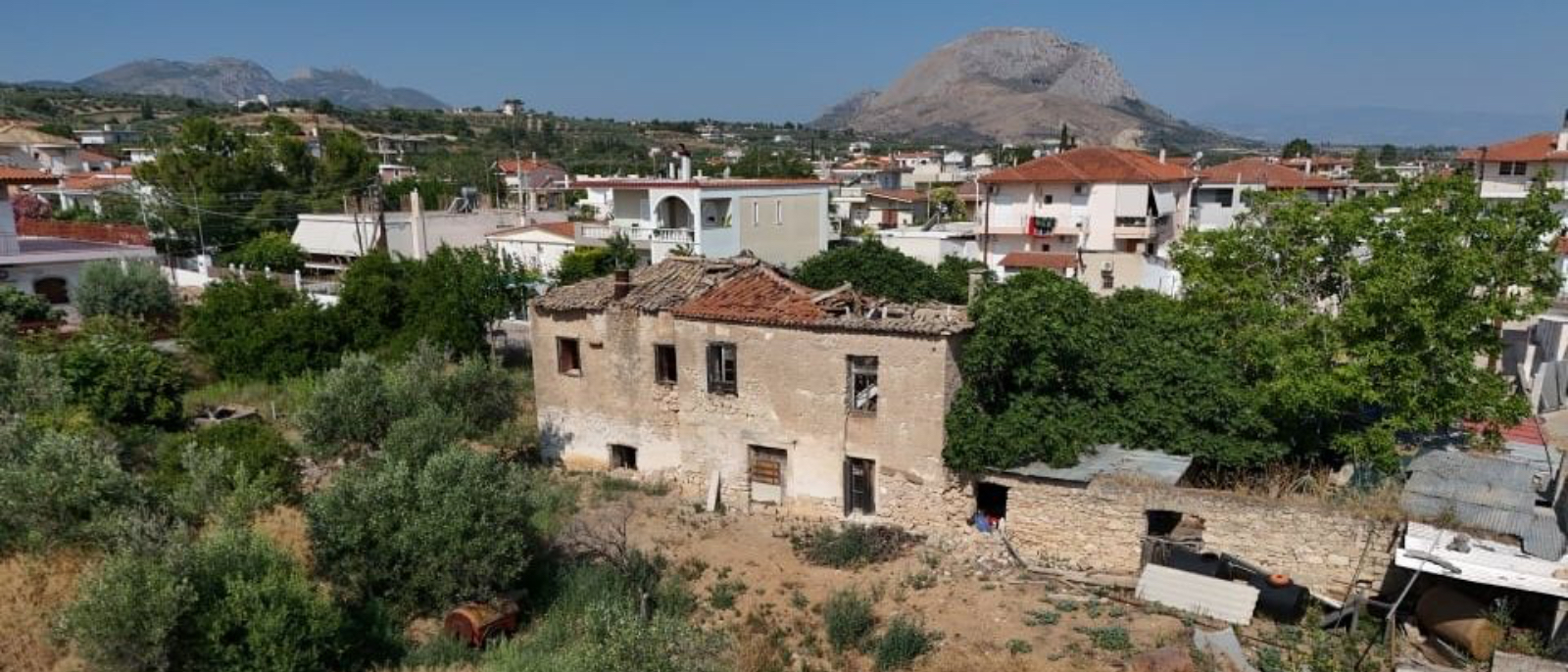
Multi-university partnership locates “Washingtonia,” founded by Samuel Gridley Howe in 1829.
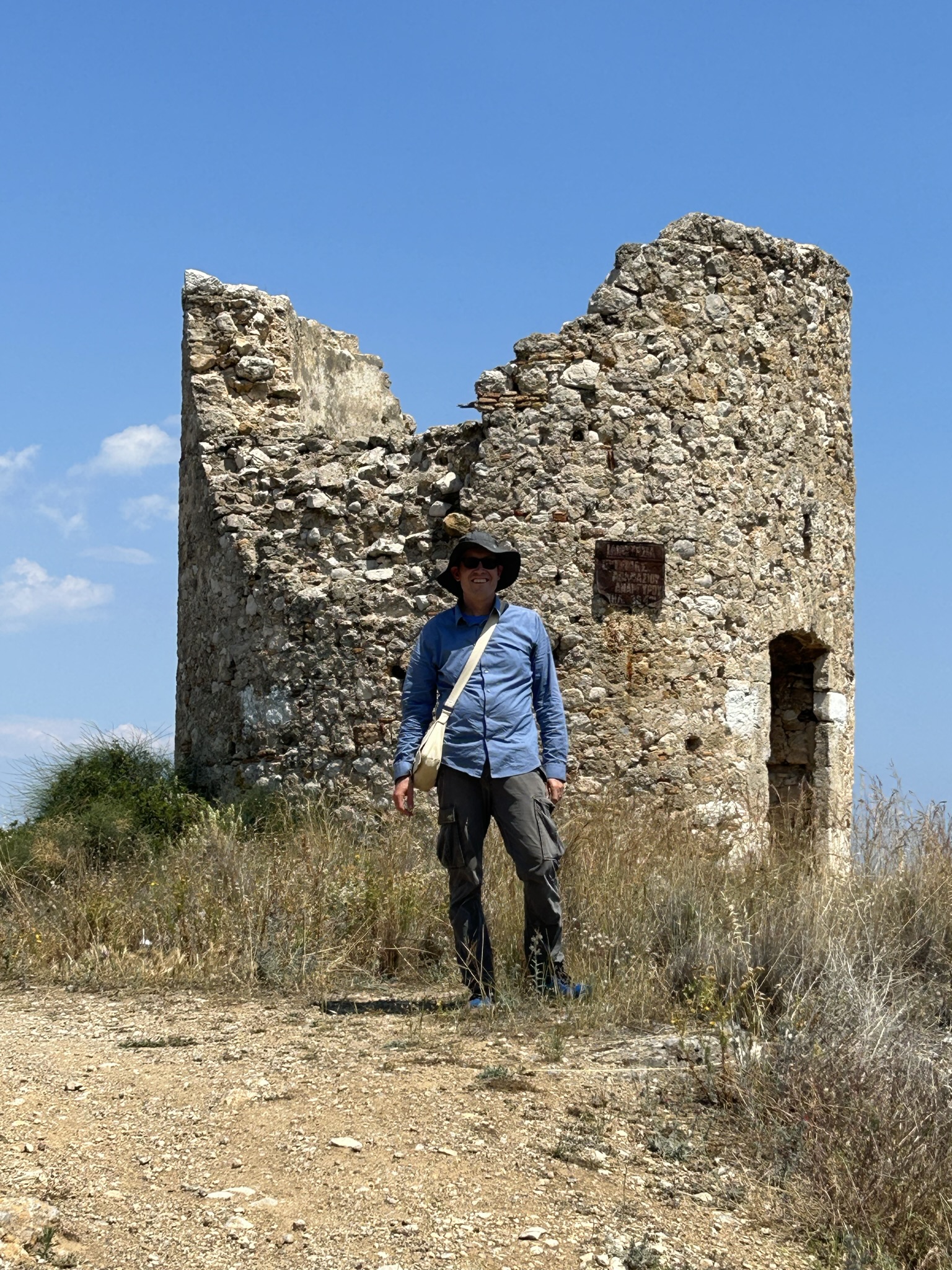
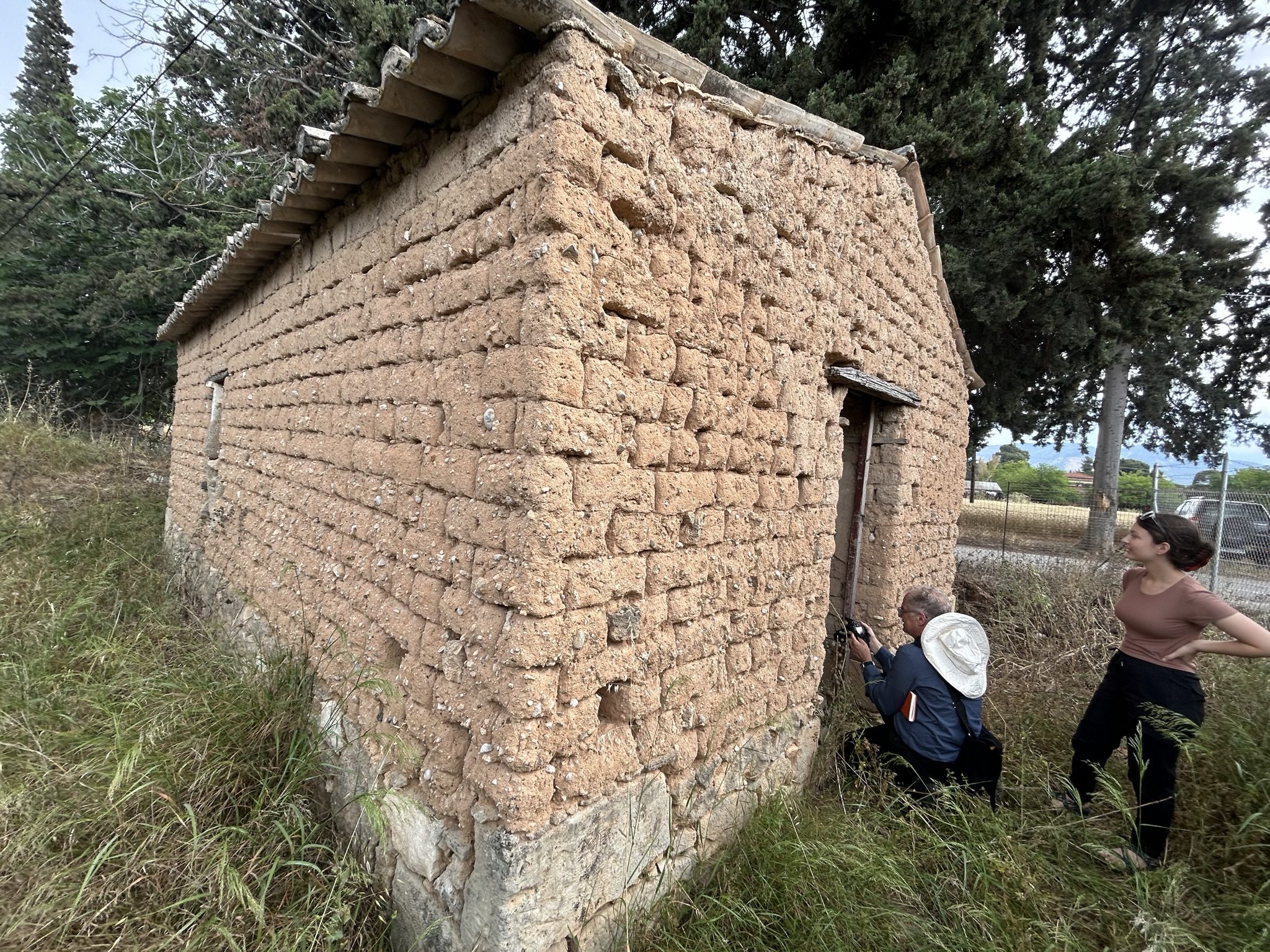
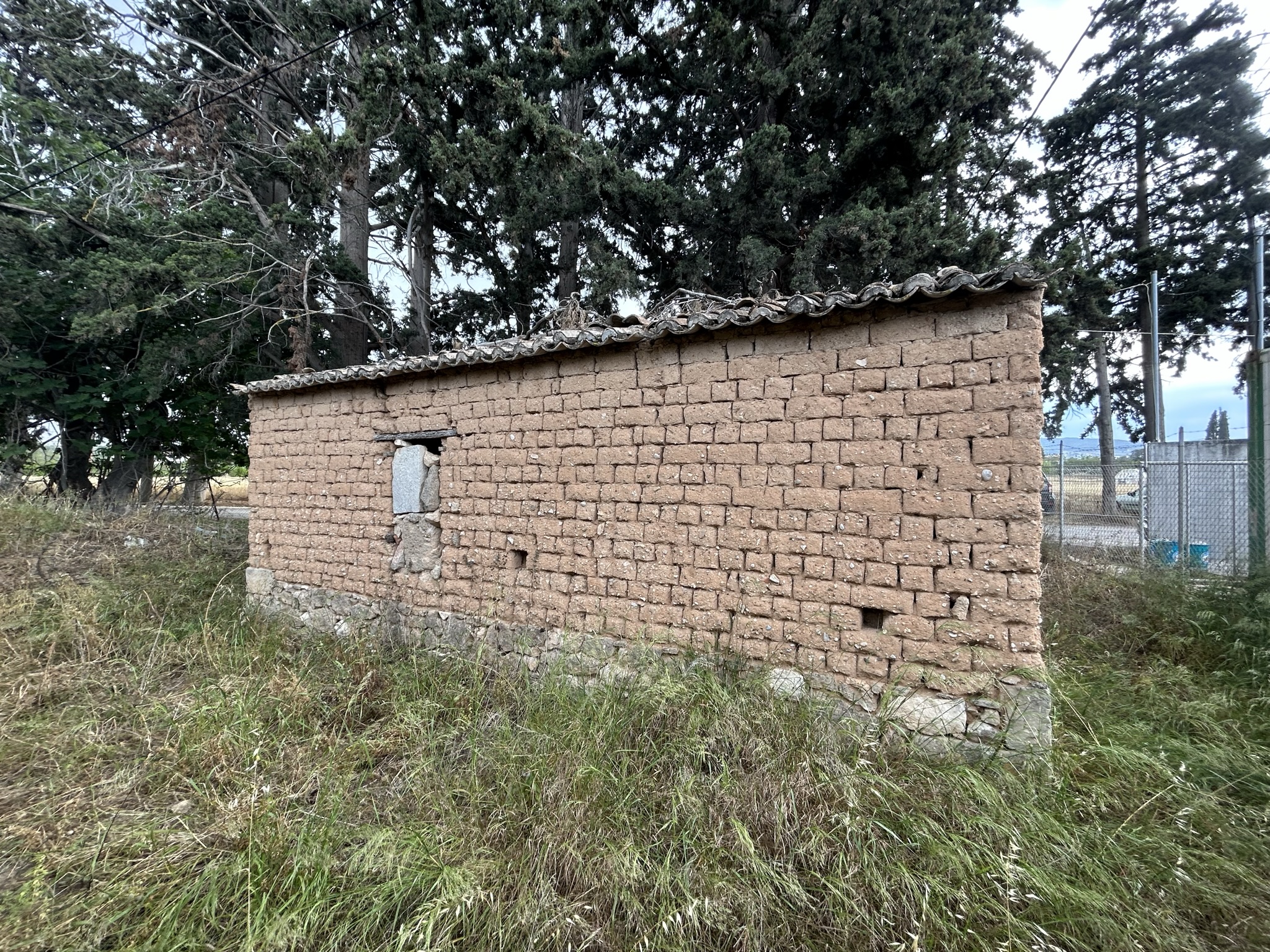
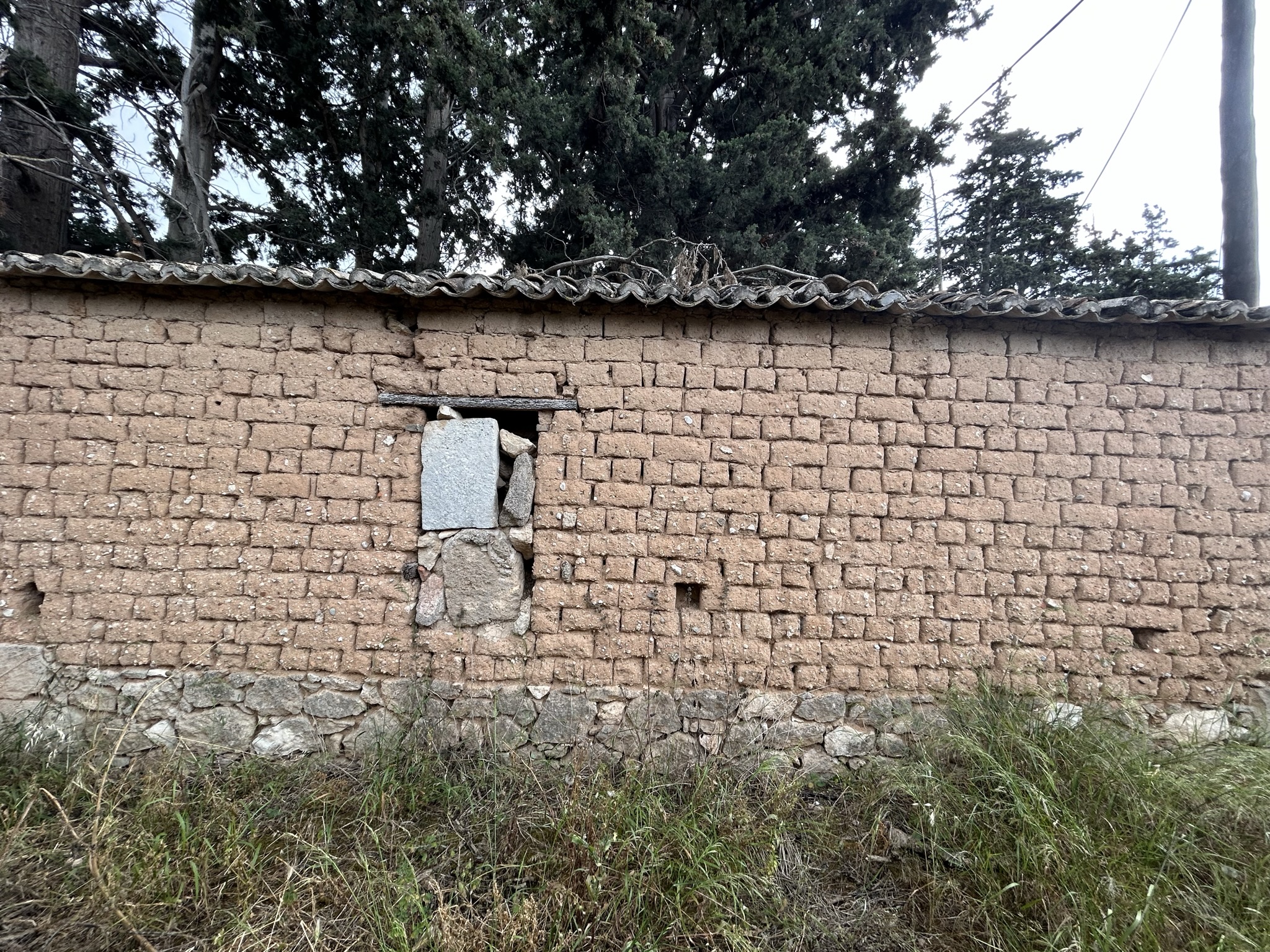
HARRISBURG, PA — A team of archaeologists, historians, and spatial analysts from Messiah University, Harrisburg University of Science & Technology, and Franklin & Marshall College has located Washingtonia – a long-lost, 19th-century refugee colony established by American physician Samuel Gridley Howe on the Isthmus of Corinth in Greece following the Greek War of Independence (1821–1829).
The discovery was featured in Archaeology Magazine (September/October 2025) and in the major Greek newspaper Kathimerini (August 14, 2025), and will be published in the upcoming issue of Journal of Greek Archaeology (Vol. 10, 2025). The discovery has global significance, as it reveals a forgotten chapter of American-Greek cooperation and the birth of transnational humanitarianism.
Washingtonia was established in 1829 by Samuel Gridley Howe – later renowned as an abolitionist and disabilities activist (as founder of the Perkins School for the Blind) – in partnership with Greece’s first governor, Ioannis Kapodistrias. Named after George Washington, the colony housed over 225 Greek families displaced during the Greek War of Revolution. The colony included farmland across 1,500 acres, homes, a school, a hospital, port facilities, and the colonial house.
Despite its promising start, the colony collapsed within a few years due to crop failures, bandit attacks, and political instability. By the mid-1830s, Washingtonia had vanished so completely that its location became a mystery to historians and archaeologists.
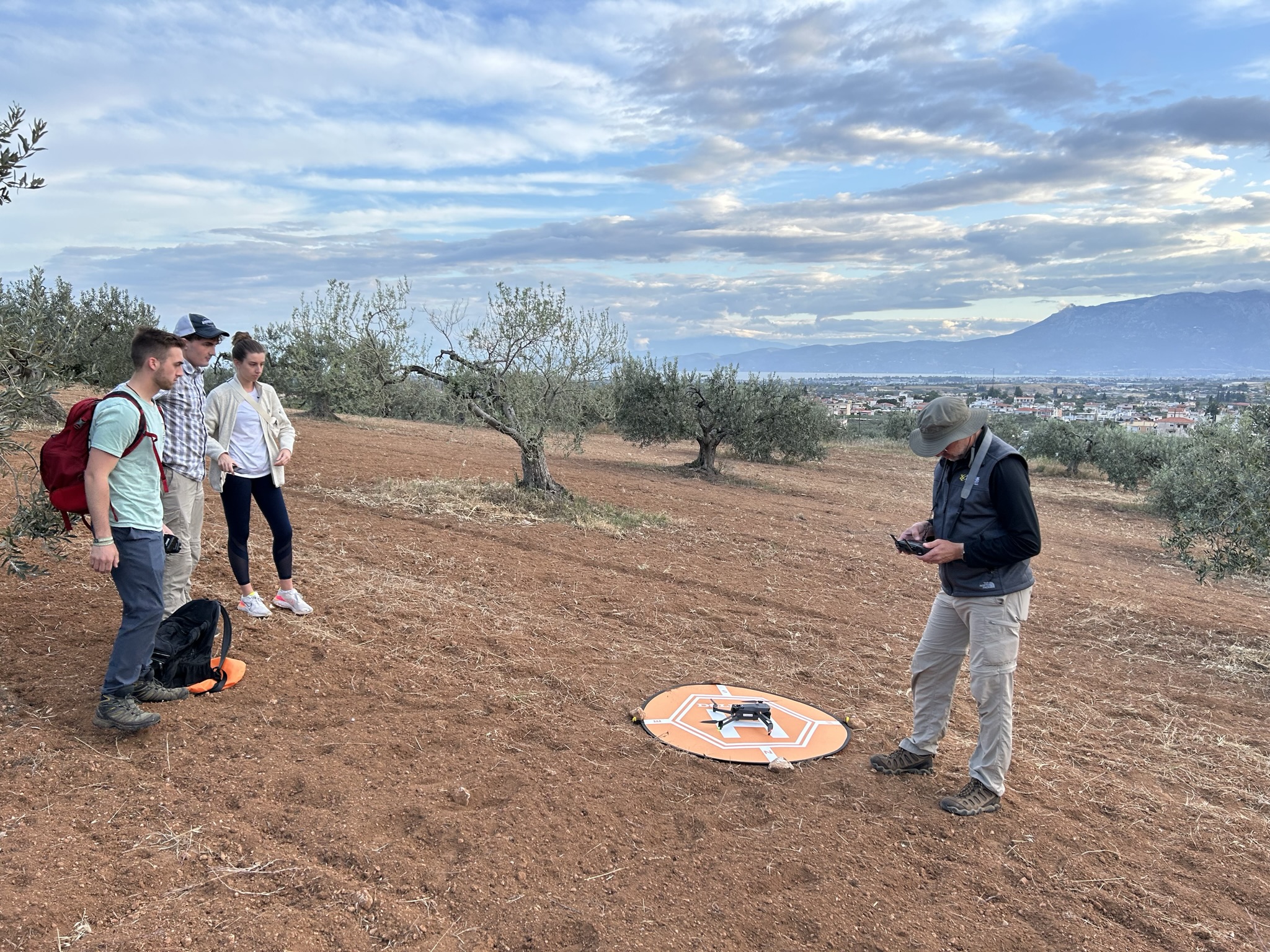
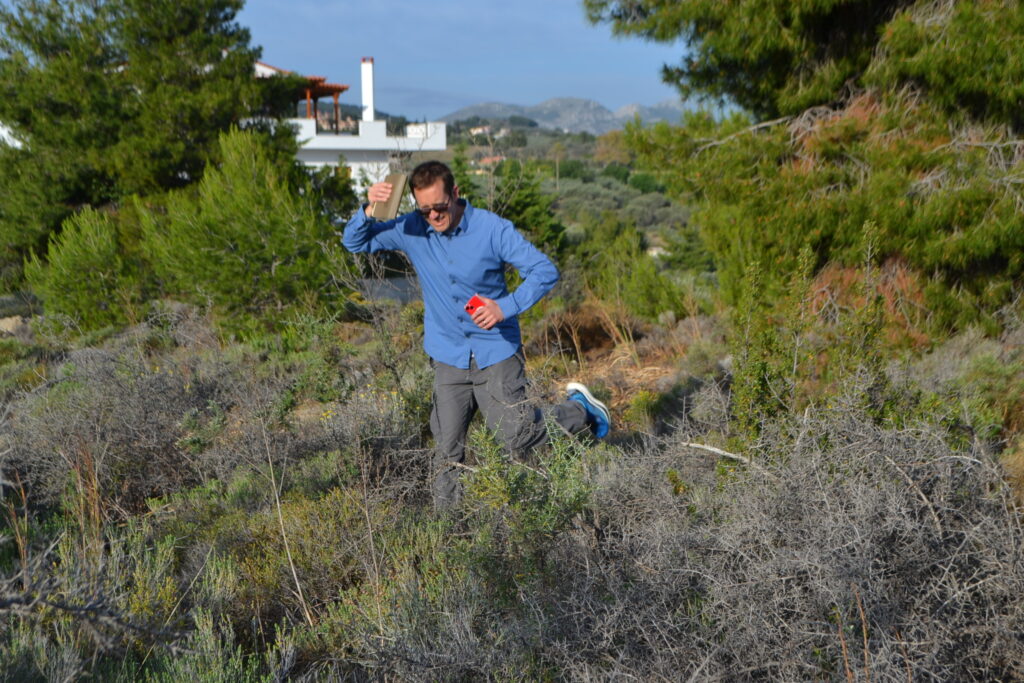
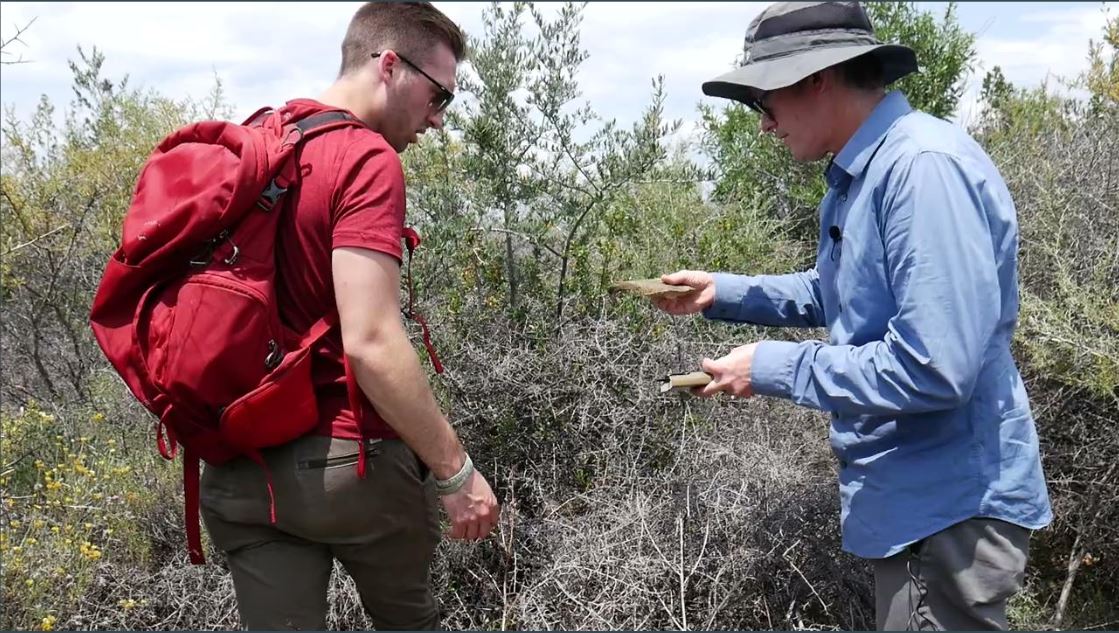
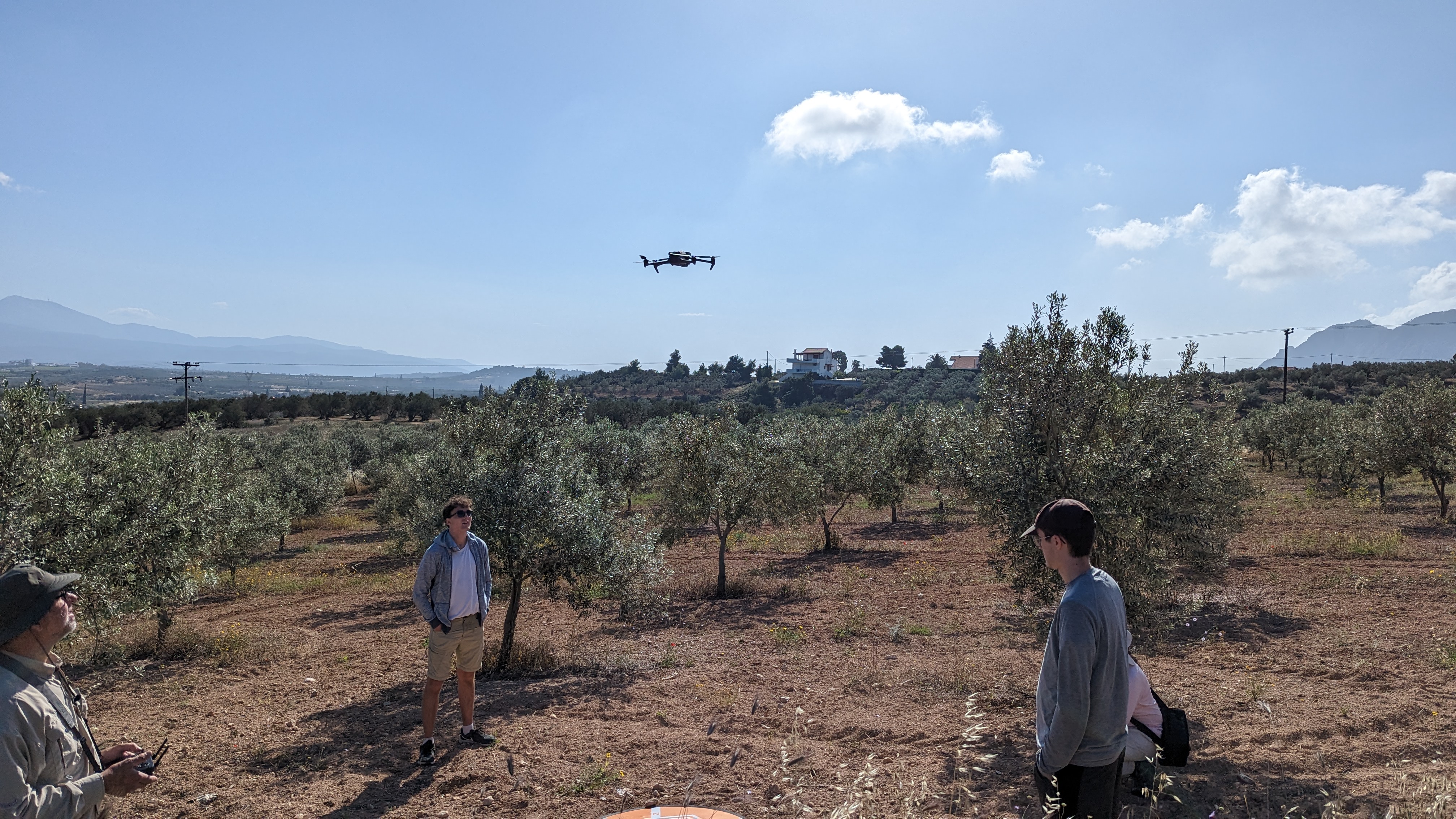
The rediscovery came in 2023 when the research team – led by David K. Pettegrew (Messiah University), Kostis Kourelis (Franklin & Marshall), Albert Sarvis, (Harrisburg University), and Nikos Poulopoulos (University of Missouri–St. Louis) – used multidisciplinary methods combining extensive archival research of Howe’s journals and letters with modern technology, including drone photography and geographic information systems.
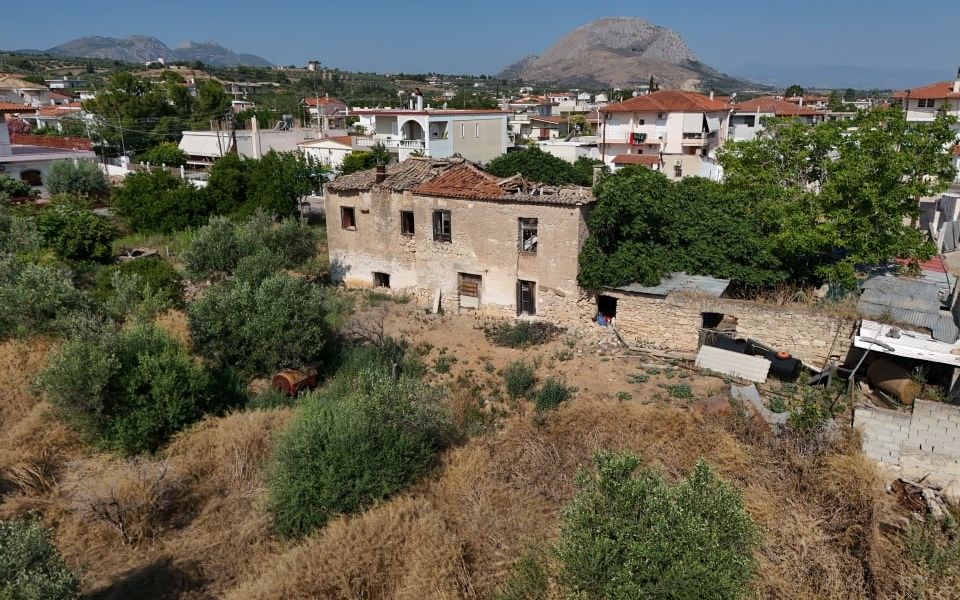
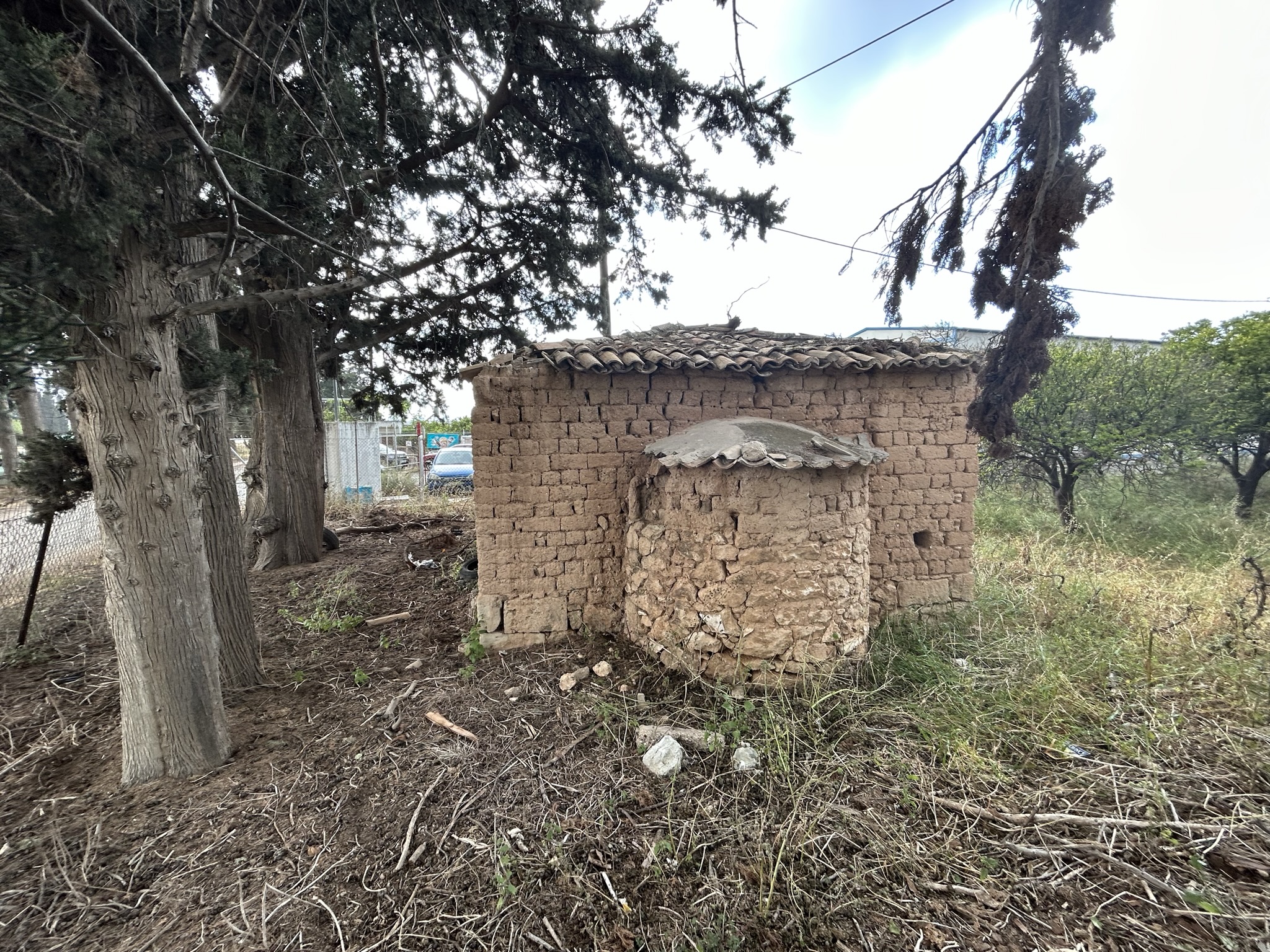
A key breakthrough was a previously overlooked 1830 draft map by French geographer Pierre Peytier, who had visited Howe at the colony. By digitally layering this historical map onto historical and drone aerial imagery, the team pinpointed Howe’s residence.
The researchers emphasized contemporary relevance, noting: “The 110 million people currently displaced worldwide remind us that the humanitarian crises that gave rise to Washingtonia are ongoing challenges.”
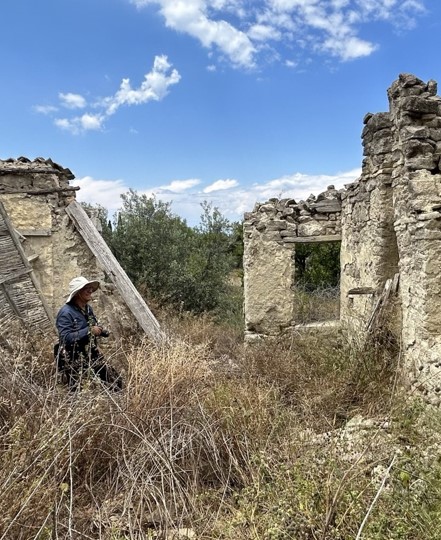
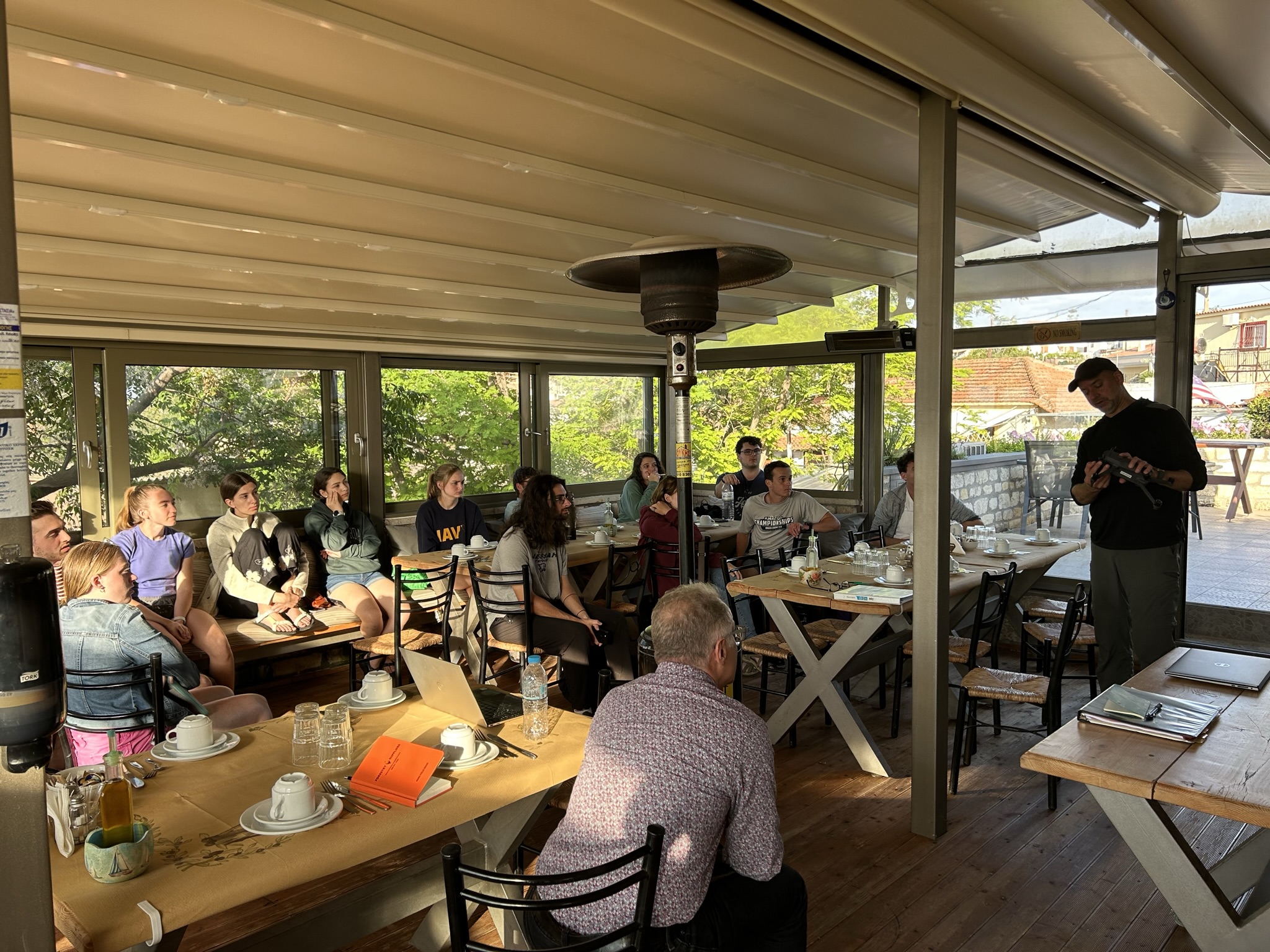
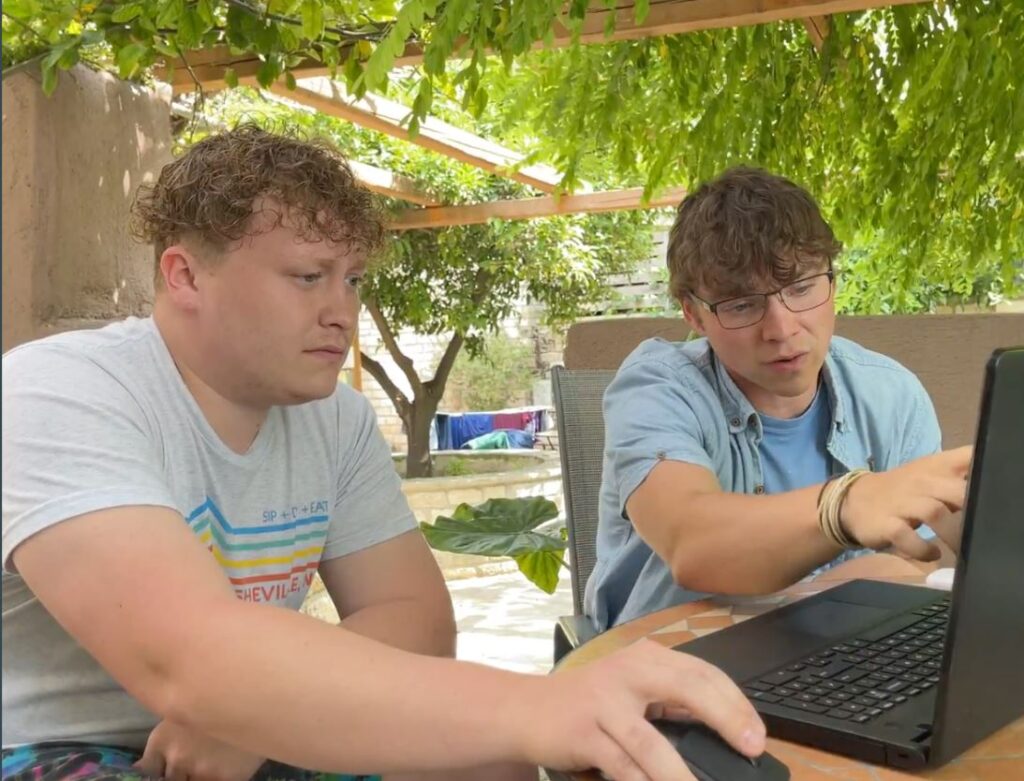
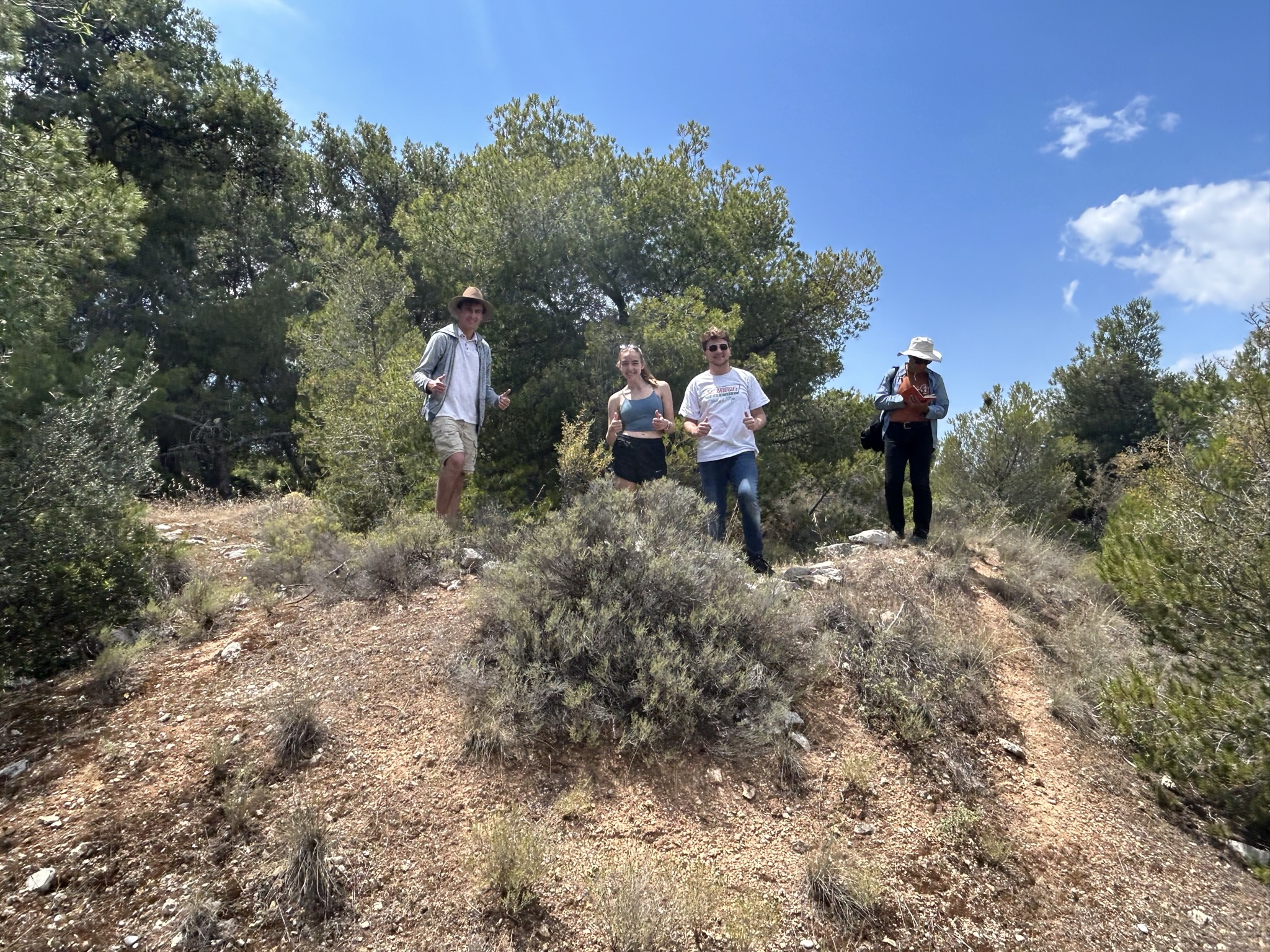
Students from these three Central Pennsylvania universities participated in digital fieldwork culminating in a documentary (“Finding Washingtonia”) as well as a series of interactive Story Maps (“The Lost Colony of Washingtonia”) that bring the discovery to public audiences.
This research was supported by Franklin & Marshall College, Harrisburg University of Science & Technology, Messiah University, and private donors.
ABOUT HARRISBURG UNIVERSITY
Harrisburg University was recognized by US News & World Report as one of the nation’s most innovative colleges for 2025. HU is accredited by the Middle States Commission on Higher Education and is a private, nonprofit university offering bachelor’s and graduate degree programs in science, technology, engineering, mathematics, nursing, and other health science fields. For additional information about HU’s affordable, demand-driven undergraduate and graduate programs, please call 717.901.5146 or email Connect@HarrisburgU.edu. Stay updated by following Harrisburg University on LinkedIn, Instagram, and Facebook.
MEDIA CONTACT
Do you have questions about this story? Interested in lining up an interview? Please reach out to Dan Wilhelm, Communications Manager for Harrisburg University of Science and Technology, with all media inquiries.
# # #