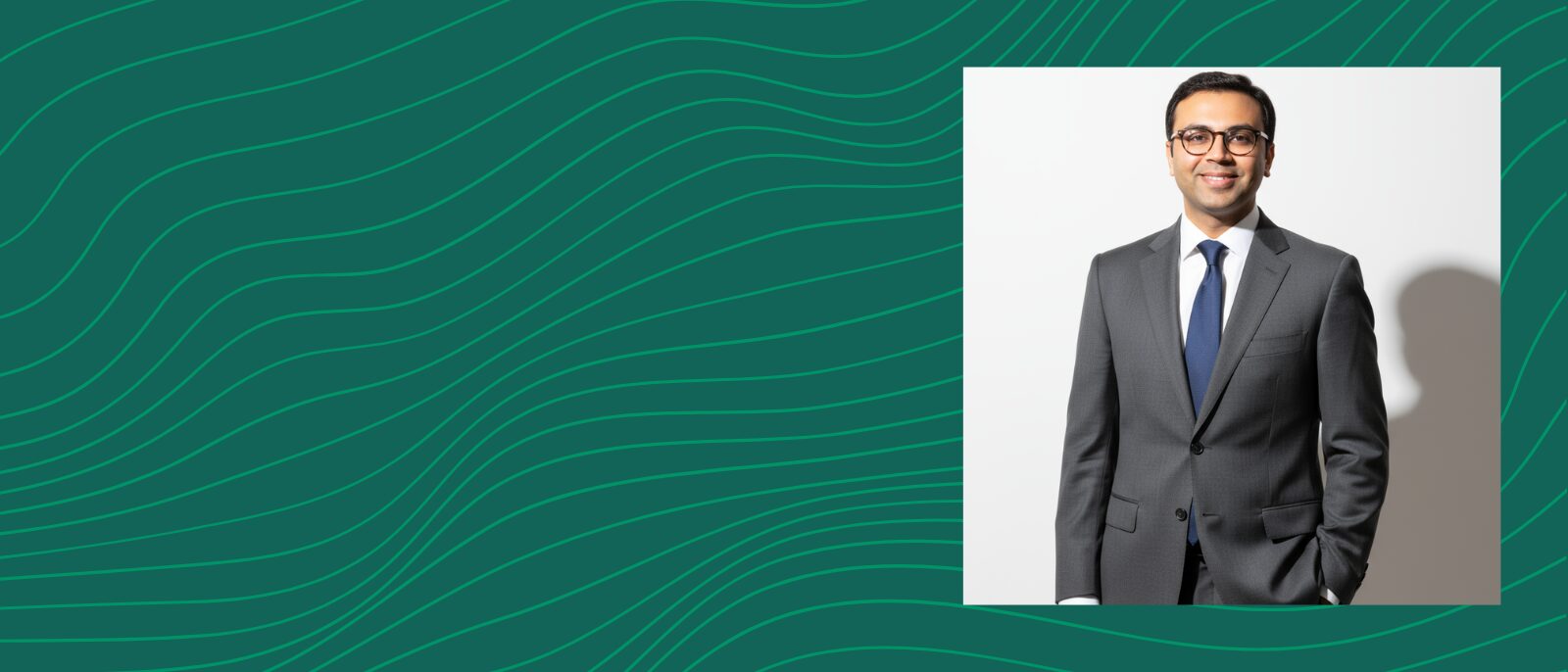
HARRISBURG, PA – Harrisburg University of Science & Technology (HU) alumni are known for charting bold pathways in STEM. Krunal Panchal ‘20, a graduate of HU’s Master of Science in Information Systems Engineering & Management program, exemplifies that pioneering spirit.
Krunal has built an exceptional career at the nexus of artificial intelligence (AI), machine learning, cloud architecture, and enterprise systems: work that spans major corporations, state government, and research environments. Krunal’s journey demonstrates the impact of an HU education far beyond the classroom and reveals how a strong foundation can prepare graduates to lead in rapidly evolving fields.
Recently, Krunal authored and published a research paper titled, “Sensor Fusion Using Machine Learning for Robust Object Detection in Adverse Weather Conditions for Self-Driving Cars,” appearing in the International Journal of Computational and Experimental Science & Engineering (IJCESEN). According to Krunal, “This work builds on my ongoing research in AI, machine learning, and autonomous vehicle perception systems, extending the foundations from my earlier self-driving car engineering projects.”
In the conversation that follows, Krunal reflects on this research, his professional accomplishments, and emerging leadership as both a technologist and a mentor.
What have you been up to, since graduating from HU?
Since graduating from Harrisburg University in 2020, I have continued building my career at the intersection of AI, machine learning, cloud platforms, government systems, healthcare technologies, and enterprise-scale telecom solutions. I’ve had the opportunity to hold leadership roles at Granite Telecommunications, Nuance Communications (Microsoft), Meta, the State of New York, and currently T-Mobile, where I serve as a Product/Program Manager/Owner.
Across these roles, I’ve led AI-driven automation initiatives, predictive analytics platforms, and privacy-compliant enterprise systems, delivering measurable results such as 40% downtime reduction, 25% efficiency improvements, and large-scale product adoption growth. Alongside industry leadership, I continue to contribute to academic research, peer-reviewed publications, conference speaking, and mentorship.
What does this research publication mean to you, and how did it come about?
This research is deeply personal to me because it represents the convergence of my academic foundation, hands-on engineering experience, and longstanding passion for autonomous systems and applied AI.
The idea originated from my self-driving car engineering work at Udacity and was further strengthened by the systems engineering, data modeling, and applied research mindset I developed at Harrisburg University. While working in AI-driven industry roles, I observed real-world gaps in object detection reliability under adverse weather conditions, which motivated me to formally explore how sensor fusion combined with machine learning could improve safety and performance in real-world environments.
In parallel with my industry leadership roles, I have been intentionally staying active in research and publications as part of my longer-term goal of pursuing a Ph.D. in the future. This work represents an important step in maintaining strong academic continuity while continuing to deliver real-world impact through applied AI research.
What do you want people (or other researchers) to learn, or take away from, this research?
I hope this research reinforces that:
- Sensor fusion is essential – not optional – for safety-critical autonomous systems.
- AI models must be validated in real-world, imperfect conditions, not just in controlled environments.
- The future of autonomy depends on cross-disciplinary engineering across software, hardware, data science, and systems reliability.
My goal is to contribute toward safer, more resilient, and more trustworthy AI-driven autonomous technologies.
Are there any individuals at HU who were involved with this publication, or anybody you would like to thank?
While this particular publication was developed after my graduation and independently driven, I would like to express my sincere gratitude to the Harrisburg University faculty and academic leadership for providing a strong academic foundation in systems engineering, applied research, data management, and interdisciplinary problem-solving, which directly shaped my approach to this work.
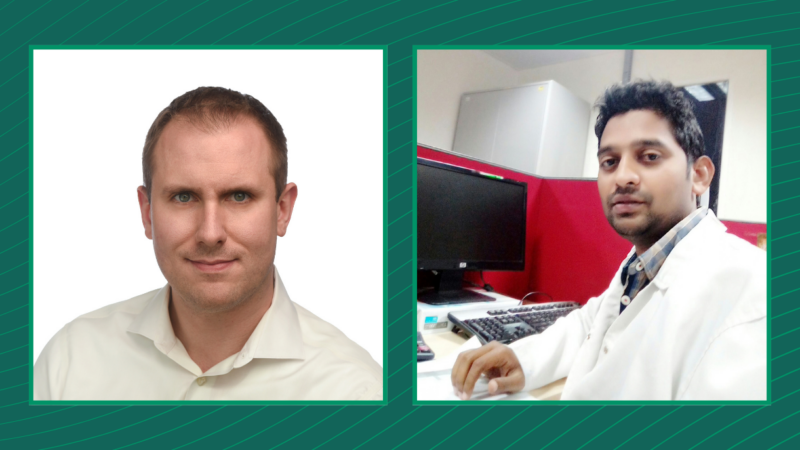
I would also like to acknowledge the valuable intellectual support and technical input provided by my colleagues and friends outside of Harrisburg University during the development of this research:
- Arpan Shaileshbhai Korat
- Saurav Rajanikant Pathak
Their thoughtful feedback, technical discussions, and domain-level insights played an important supporting role in refining the research approach and strengthening the final outcomes.
Is there anything else you’d like to share about yourself, this story, or your recent past as an HU alum?
In addition to industry leadership and research, I remain actively involved in:
- Conference speaking on AI and autonomous systems (including Intelligent Machine Age 2025 and TechFusion 2025).
- Judging and mentoring at academic innovation and hackathon events.
- Publishing research and articles on AI, misinformation detection, and applied machine learning.
As an HU alum, I take pride in bridging academic research with real-world impact and contributing back through mentorship, thought leadership, and responsible AI innovation.
What’s the most powerful thing you learned, accomplished, or took with you from HU that helped you achieve your goals or establish your career?
The most powerful takeaway from Harrisburg University was the ability to think at a true systems level: connecting technology, data, people, and processes at enterprise scale. HU also strengthened my confidence to:
- Solve complex, ambiguous technical problems.
- Lead across cloud platforms, data pipelines, and AI systems.
- Operate at the intersection of engineering depth and strategic leadership.
That mindset has directly enabled my growth into senior product and program leadership roles across government, healthcare, telecom, and AI-driven enterprises.
I truly appreciate all that Harrisburg University continues to do for its alumni, and I look forward to staying engaged with the HU community!
We thank Krunal for speaking with us! Stories like his demonstrate the strength of HU’s academic community and the far-reaching ways our learners contribute to science, innovation, and well-being. HU is proud to celebrate alumni who not only excel in their fields but also remain committed to giving back and supporting the next generation of innovators, researchers, and problem-solvers.
ABOUT HARRISBURG UNIVERSITY
Harrisburg University was recognized by US News & World Report as one of the nation’s most innovative colleges for 2025. HU is accredited by the Middle States Commission on Higher Education and is a private, nonprofit university offering bachelor’s and graduate degree programs in science, technology, engineering, mathematics, nursing, and other health science fields. For additional information about HU’s affordable, demand-driven undergraduate and graduate programs, please call 717.901.5146 or email Connect@HarrisburgU.edu. Stay updated by following Harrisburg University on LinkedIn, Instagram, and Facebook.
# # #