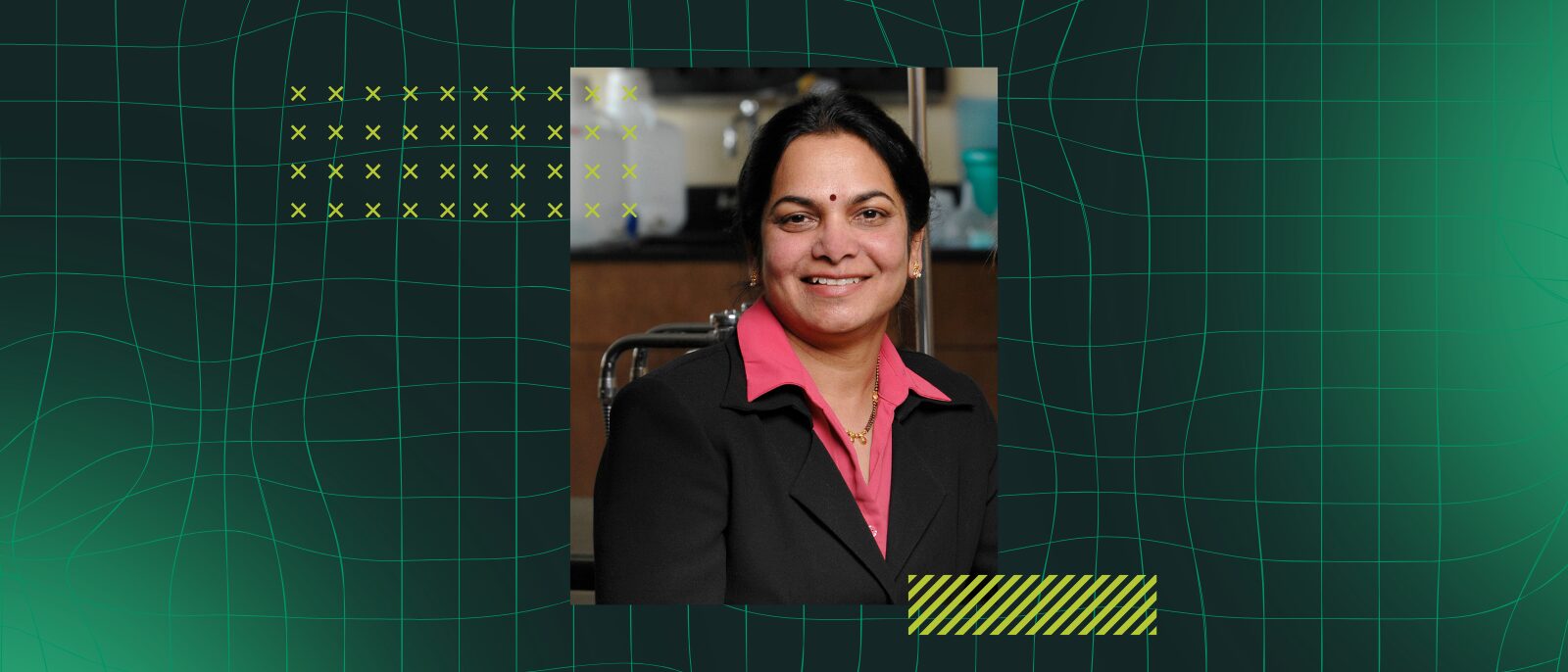
HARRISBURG, PA — Harrisburg University of Science and Technology (HU) Professor Leena Pattarkine, Ph.D. and HU Master of Science in Biotechnology student Era Chouhan ’25 have co-authored a chapter in a newly published textbook from Routledge: “Cancer Hypoxia: Implication in Therapeutics and Precision Oncology,” edited by Drs. Mukherjee and Ray. Their chapter — “Innovative Tools and Techniques for Visualization of Cancer Hypoxia” — explores how emerging imaging technologies, including those powered by nanobiotechnology and artificial intelligence, are helping researchers see and study cancer in ways that weren’t possible just a few years ago.
Cancer hypoxia refers to regions within solid tumors where oxygen levels are abnormally low. These oxygen-starved areas are notoriously difficult to treat; they often resist conventional chemotherapy and radiation, and they can be a source of cancer recurrence after treatment. Understanding and visualizing hypoxic tumors is one of the most important frontiers in modern oncology and the focus of Dr. Pattarkine and Chouhan’s chapter.
“The opportunity came through a mutual contact who was familiar with my work in medical nanobiotechnology,” Dr. Pattarkine said. “The editors were assembling experts across different areas of cancer hypoxia research, and they invited me to contribute the chapter on imaging tools and techniques that have been improved due to integration of nanomaterials to sensitively and accurately map the cancer regions.”
The chapter, she explained, walks readers through what cancer hypoxia is and why it has historically been such a challenge for cancer therapy, before turning toward what’s becoming possible. “Readers will come away understanding what cancer hypoxia is, why it interferes so significantly with chemotherapy, and how innovative imaging can help overcome those challenges,” said Dr. Pattarkine. “We also included a section on AI applications in cancer treatment, which I think makes the chapter doubly innovative and cutting edge.”
Dr. Pattarkine believes providing students with an opportunity to get publications of this caliber helps boost their resumes. “Mentoring Era on the process of co-authoring this chapter was a neat experience for me,” she said. “Bringing students into research and writing at this level is one of the things I appreciate in my role as a professor teaching at Harrisburg University. Era was eager to learn and learnt the required core skills quickly.”
The textbook in which the chapter appears is a comprehensive reference covering hypoxia-driven signaling pathways, the immune microenvironment in hypoxic tumors, drug delivery strategies, and clinical applications ranging from radiation therapy to precision medicine. It is intended as a resource for researchers, clinicians, and professionals working in the oncology field.
For another perspective from Dr. Pattarkine on the implications of applying AI to cancer treatment, see this recent feature from The Scientist: “The Double-Edged Sword of AI Models and Cancer Treatment.”
# # #
ABOUT HARRISBURG UNIVERSITY
Harrisburg University of Science and Technology (HU) is an independent, nonprofit university offering degrees in advanced manufacturing, engineering, robotics, nursing, cybersecurity, and other critical fields. Accredited by the Middle States Commission on Higher Education, HU serves a diverse student body through bachelor’s, master’s, and doctoral programs that link learning and research with practical applications. For information about HU’s affordable STEM degrees and professional development programs, call 717.901.5146 or email Connect@HarrisburgU.edu. Stay in the know by following Harrisburg University on LinkedIn, Instagram, and Facebook.
MEDIA CONTACT
Do you have questions about this story? Interested in lining up an interview? Please contact Dan Wilhelm, Communications Manager for Harrisburg University, at DWilhelm@HarrisburgU.edu or 717.901.5100×1724.
# # #