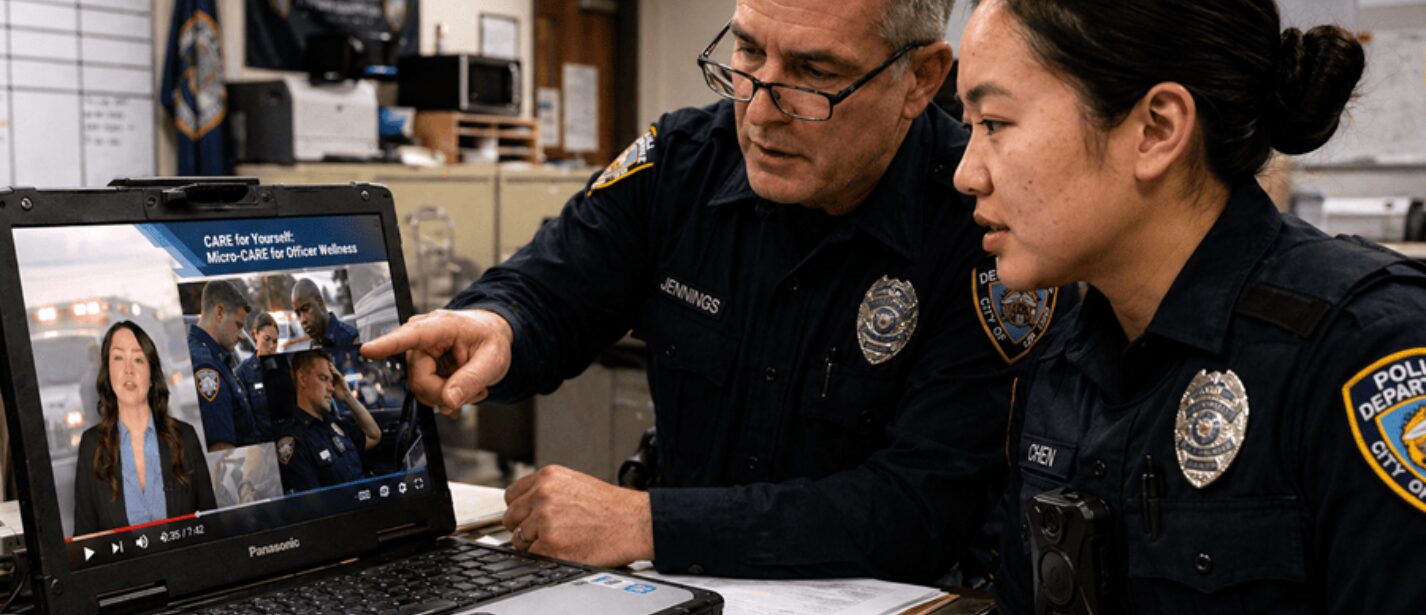
Operational Readiness Program: Opioid Use Disorder Crisis Training for Law Enforcement
Harrisburg University has partnered with Zschool to offer learners asynchronous learning opportunities.
Foundational Skills & Advance Field Readiness for Complex OUD Response
Law enforcement professionals are often the first to encounter individuals in an Opioid Use Disorder (OUD) crisis, making it critical to have the right tools, training, and confidence to respond effectively. The Operational Readiness Program is designed as a two-part learning experience, starting with core foundations and progressing into advanced, real-world application.
- The Operational Readiness 1.0 course provides essential knowledge and practical strategies for responding to OUD and co-occurring conditions. You’ll build a strong foundation in de-escalation, crisis response, and connecting individuals to appropriate resources.
- The Advanced Readiness 2.0 course is an advanced program that builds directly on the concepts, frameworks, and skills introduced in 1.0 – helping you strengthen decision-making under pressure, navigate more complex field scenarios, and apply advanced techniques for safety, coordination, and officer wellness.
Operational Readiness 1.0 is required before enrolling in Advanced Readiness 2.0. This ensures you have the foundational knowledge needed to successfully apply the advanced strategies covered in the 2.0 course. Together, these courses are designed to support you at every stage – from understanding the basics to confidently managing high-pressure, real-world situations.
About the Programs
Operational Readiness 1.0
1.0 Program Curriculum
Each module introduces key concepts such as the CARE approach – Calm the Situation, Assess for Danger, Respond with Empathy, and Engage Resources – which serves as a practical framework officers can apply in the field. Officers will learn how to assess and manage high-risk situations, utilize verbal and non-verbal communication techniques, and connect individuals to appropriate care services. In addition, the course provides real-world case studies and scenario-based exercises that reinforce these skills and strategies in action.
Learning Objectives
By the end of this course, you’ll be able to:
- Recognize the behavioral and physical signs of OUD and understand its impact on individuals and communities.
- Understand the role of co-occurring mental health conditions in complicating OUD treatment and response efforts.
- Know how to respond to an Opioid Overdose Emergency and the proper use of Naloxone.
- Apply verbal and non-verbal de-escalation techniques to safely manage crises involving individuals with OUD.
- Navigate the legal considerations involved in responding to OUD, including understanding the rights of individuals under the Americans with Disabilities Act (ADA).
- Utilize community resources and mental health services to provide ongoing support and care for individuals affected by OUD.
- Document crisis interventions effectively to reduce liability and protect both law enforcement and individuals in crisis.
Module 1 – Understanding OUD & Co-occurring Conditions
Gain an in-depth look at OUD and its common co-occurring mental health conditions, such as anxiety, depression, and PTSD. You’ll learn to recognize the behavioral and physical signs of OUD, understand the challenges posed by co-occurring conditions, and explore the best practices for identifying individuals at risk. By the end of the module, you’ll have a foundational understanding of how to respond effectively to these rises, focusing on compassionate care and safe intervention.
Module 2 – Recognizing & Responding to OUD
Become equipped with the tools and techniques necessary to recognize and respond to individuals experiencing a crisis due to OUD. You will explore the key behavioral and physical signs of opioid use and learn how to apply verbal and non-verbal de-escalation techniques to safely manage high-risk situations. This module emphasizes crisis intervention strategies that prioritize both officer and public safety, while helping individuals with OUD receive the care they need.
Module 3 – Best Practices for Field Collaboration
Learn how to engage with healthcare providers, treatment centers, and community resources to ensure individuals receive the appropriate care. Emphasizing harm reduction principles, this module covers best practices for field collaboration and the importance of building strong partnerships with local and state resources. By integrating these strategies, you’ll foster safer interactions in the field. Additionally, you’ll gain a comprehensive guide to national and local resources for mental health and substance use disorder treatment, reinforcing how to put these strategies into action and ensuring better outcomes for those in crisis.
Module 4 – Real-World Application & Resource Utilization
This module brings together everything you’ve learned through scenario-based exercises designed to apply the skills and strategies needed to handle crises involving OUD. You will participate in realistic scenarios, using the CARE approach – Calm the Situation, Assess for Danger, Respond with Empathy, and Engage Resources – as well as de-escalation techniques, collaboration skills, and referral processes to connect individuals with the appropriate resources. You’ll also develop a Crisis Intervention Action Plan by incorporating the CARE approach and strategies you’ve learned to de-escalate the situation and ensure safety.
Advanced Readiness 2.0
2.0 Program Curriculum
This course is designed for law enforcement professionals who have successfully completed Operational Readiness 1.0. Each module builds on the foundational CARE framework by introducing enhanced models including CARE-Under-Pressure, CARE-Plus, and FAST to support faster decision-making in complex, high-risk environments. These advanced frameworks help law enforcement professionals stay organized, think clearly, and respond more effectively as situations rapidly evolve. Throughout the course, you’ll strengthen your ability to assess layered risk, manage dynamic scenes, and apply advanced communication and positioning techniques in challenging environments. Through real-world, scenario-based exercises, you’ll develop practical skills for navigating situations involving polysubstance use, behavioral health crises, and multi-person scenes, while also building strategies for coordination with partners, diversion and deflection pathways, and maintaining officer wellness under sustained pressure.
Learning Objectives
By the end of this course, you’ll be able to:
- Analyze complex, high-risk situations involving OUD, including emerging drug trends such as fentanyl analogs, xylazine, and polysubstance use.
- Apply advanced overdose response strategies, including post-stabilization decision-making and scene safety considerations.
- Utilize the CARE-Under-Pressure, CARE-Plus, and FAST frameworks to improve response consistency and decision-making in dynamic environments.
- Recognize and respond to behavioral health crises and co-occurring conditions in confined, crowded, or rapidly changing settings.
- Apply advanced verbal and non-verbal communication techniques to de-escalate resistance and reduce the likelihood of escalation.
- Coordinate effectively with EMS, crisis teams, peer support, and community resources to support safe and appropriate outcomes.
- Implement diversion and deflection strategies to reduce repeat encounters and connect individuals to treatment and support services.
- Apply practical strategies to manage stress, maintain focus, and support long-term officer wellness and resilience.
Module 1 – Emerging Threats & Advanced OUD Trends
Take a deeper dive into the evolving landscape of Opioid Use Disorder, including emerging drug trends such as fentanyl analogs, xylazine, and polysubstance use. You’ll explore how these substances impact behavior, response strategies, and officer safety in the field. This module builds on your foundational knowledge to strengthen your ability to recognize more complex and unpredictable presentations, helping you stay prepared for rapidly changing conditions and higher-risk encounters.
Module 2 – Advanced Overdose Response & Scene Safety
Expand your skills in responding to overdose situations with a focus on advanced, real-world challenges. You’ll go beyond initial response to explore post-stabilization decision-making, scene management, and ongoing safety considerations for both law enforcement and those involved. This module emphasizes critical thinking under pressure, helping you manage evolving situations where multiple risks, substances, and individuals may be present.
Module 3 – Behavioral Health & Complex Crisis Response
Build on your de-escalation skills to manage more complex behavioral health crises involving OUD and co-occurring conditions. You’ll apply enhanced frameworks such as CARE-Under-Pressure, CARE-Plus, and FAST to navigate high-stress situations, including confined spaces, crowded environments, and resistant individuals. This module focuses on improving response consistency, communication, and positioning to reduce escalation and increase safety for everyone involved.
Module 4 – Diversion, Deflection, & Officer Wellness
Focus on long-term outcomes by exploring diversion and deflection strategies that connect individuals to treatment and reduce repeat encounters. You’ll learn how to make informed decisions about next steps following a crisis, including coordinating with EMS, crisis teams, and community partners. This module also emphasizes officer wellness, providing practical strategies to manage stress, maintain focus, and support sustained performance in high-pressure roles. Through advanced scenarios, you’ll apply the full range of skills developed throughout the course.
Operational Readiness OUD Power-Packs
Included with each course are the Operational Readiness Power-Packs, designed to support real-world application, reinforce learning, and strengthen skills beyond the training experience. Across both the foundational and advanced programs, these toolkits include workbooks, field guides, discussion tools, templates, decision-making aids, scenario-based worksheets, wellness resources, and quick-reference materials. Created for practical use in the field and beyond, these resources put essential tools at your fingertips—helping officers and first responders build confidence, access critical information quickly, and stay prepared for today’s evolving challenges.
Enroll in the Operational Readiness Program & Get Your Team Started Today!
Prepare your department for the challenges posed by the opioid crisis. By enrolling your officers in this comprehensive course, you’re equipping them with the critical skills and knowledge needed to safely and effectively respond to individuals in crisis. This training covers de-escalation techniques, crisis intervention, and strategies for managing OUD, ensuring that your team is prepared. Give your officers the tools to handle these situations with confidence, protect your community, and build stronger relationships with those you serve.
Each course is 4 online modules – just $450 per person
Start with Operational Readiness 1.0, then advance to 2.0 to complete the full program.
- Start today – conveniently self-paced learning!
- Complete each course in just 4 hours (8 hours total for the full program)
- Includes your Course Workbook & all course materials for both courses
- Engage in hands-on projects, real-world scenarios & interactive discussions
- Earn a Certificate of Completion for each course!
Program Instructors & Content Experts
The esteemed faculty serving as content advisors and instructors for the course are recognized experts in their fields. Whether their contributions come through teaching, creating innovative materials, mentoring students, or advising on course content, they bring a unique blend of vision, inspiration, and practical skills. Together, they challenge your thinking, enhance your performance, and help you excel in your role.

Thomas B. Smith, M.S.
Sergeant, Crisis Response Team – Baltimore City Police Department
Thomas B. Smith is a seasoned law enforcement professional with over 20 years of experience and a strong educational background, holding both a Master of Science and a Bachelor of Science in Management from Johns Hopkins University. As Co-Founder and Training Consultant at Innovative Training Solutions LLC, Thomas develops comprehensive lesson plans and e-learning modules for police and public safety entities, with a special focus on supporting individuals with disabilities. He collaborates with organizations like Johns Hopkins University and The Arc of the United States to deliver high-quality training programs.
In addition to his consultancy work, Thomas serves as a Sergeant in the Crisis Response Team at the Baltimore City Police Department, where he develops Crisis Intervention Team training and teaches at the Police Academy. He also co-chairs the Department of Justice Consent Decree Training Implementation Committee, working closely with community partners to provide effective crisis support services. Recognized for his leadership, Thomas has received several awards, including the National Alliance on Mental Illness (NAMI) Officer of the Year Award and The Arc Public Service Award.

Dawn N. Peake, M.S.
Co-Founder, Training Consultant – Innovative Training Solutions, LLC
Dawn N. Peake is an accomplished educator and training consultant with over 15 years of experience in instructional leadership. She holds a Master of Science in Educational Technology and Leadership from Johns Hopkins University and a Bachelor of Science in Elementary Education from Towson University. As Co-Founder and Training Consultant at Innovative Training Solutions LLC, Dawn develops comprehensive lesson plans and e-learning modules for non-profit organizations and law enforcement agencies, with a focus on supporting individuals with disabilities in the criminal justice system.
In addition to her consulting work, Dawn serves as a Training Officer and Curriculum Specialist with the Baltimore City Police Department, where she writes and revises lesson plans for both entry-level and continuing education programs. She plays a key role in managing special training projects, including Crisis Intervention Training, and collaborates with community stakeholders to ensure the effectiveness of the curricula. Dawn’s passion for inclusive practices and her dedication to educational innovation make her a leader in her field.

Martin Bartness
Senior Principal – Center for Management & Technical Assistance, Police Executive Research Forum (PERF)
Martin Bartness is a Senior Principal at PERF in the Center for Management and Technical Assistance. With 25 years of service at the Baltimore Police Department, he retired as a Lt. Colonel/Deputy Chief of Patrol, overseeing operations across nine patrol districts. He also held executive roles, including Chief of Staff to the Police Commissioner and Commander of several key divisions. Martin worked closely with the Department of Justice to implement reform initiatives, focusing on policy, training, and accountability.
Throughout his career, Martin has been recognized for his leadership in crisis response, violence reduction, and police training. He developed transformative courses such as Ethical Policing Is Courageous (EPIC) and Integrating Communications, Assessment, and Tactics (ICAT). He holds
multiple degrees, including an MPH from Johns Hopkins University, and continues to serve the community as Board Chair of Project Pneuma.
Greg Weber
Police Chief (Ret.) – Eden Prairie Police Department
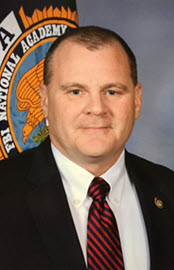
With over 31 years experience, Chief Greg Weber served as a field-training officer, patrol corporal, patrol sergeant, liaison sergeant, ERU team leader and team commander, support lieutenant, patrol lieutenant, investigations lieutenant, captain, and deputy chief before his promotion to chief of police in 2018.
Weber earned a bachelor’s degree in law enforcement from Minnesota State University-Mankato, a master’s degree in police leadership, administration and education from the University of St. Thomas and is a graduate of the FBI National Academy. He currently maintains his Minnesota Peace Officers Standards and Training (POST) License and is a Nationally Registered Emergency Medical Technician (NREMT).

Kenny Walsh
Chief of Police (Ret.) – Wenham Police Department
Kenneth “Kenny” Walsh is an accomplished law enforcement leader with more than three decades of experience in policing, public safety, and emergency management. He served as Chief of Police for the Wenham Police Department and has held leadership roles in accreditation, training, and policy development across multiple agencies. Throughout his career, Kenny has built strong partnerships with local, state, and federal agencies while championing community policing and collaborative public safety strategies.
Kenny’s career also includes serving as Chief of Police for institutions such as Wellesley College and Suffolk University, where he led large, diverse departments and oversaw operations ranging from criminal investigations and emergency management to Clery Act compliance and campus-wide safety initiatives. He holds a Master of Science in Criminal Justice Administration and a Bachelor of Science in Human Services/Criminal Justice, and has completed executive training programs with organizations such as the Federal Bureau of Investigation and the Southern Police Institute. In addition to his leadership roles, Kenny has contributed as an adjunct faculty member and guest lecturer, with a strong focus on training, preparedness, and real-world
application.

Sean Newton
Chief of Police (Ret.) – Vance-Granville Campus Police Department
Sean Newton is a retired Chief of Police with more than 30 years of law enforcement experience, beginning his career in 1993 with the Broome County Sheriff’s Office in New York. Throughout his career, he served in a variety of specialized roles, including NY State General Instructor, Firearms Instructor, Crisis Negotiator, and member of the Special Response Team (SRT), where he spent 10 years and served as team leader for two. He was later promoted to Detective and assigned to the Broome County Joint Narcotics Task Force, gaining extensive experience in complex investigations and high-risk operations.
After relocating to North Carolina in 2007, Sean went on to establish the Vance-Granville Campus Police Department, serving as Chief of Police from 2013 until his retirement in 2023. He is a North Carolina General Instructor and Specialized Hazardous Materials Instructor, teaching at Basic Law Enforcement Training academies and mentoring officers to become certified instructors. Sean continues to stay actively engaged in the field through part-time work with the Franklin County Sheriff’s Office training division and as an investigator for multiple state licensing boards, where he applies his extensive experience to support training, compliance, and public safety initiatives.

Dr. Butch Newkirk
POST Certification Coordinator, Georgia Peace Officer Standards & Training Council
Dr. Butch Newkirk introduces our course. He’s currently the Director of the University of North Georgia, four-year Public Safety Academy and the Forsyth County and Jackson Co. Sheriff’s Office Public Safety Academy, specializing in training and leadership development and setting a new standard for comprehensive law enforcement training at the collegiate level. A law enforcement professional with over 36 years of experience, he pioneered the first four-year Public Safety Academy in the U.S. in 2015 at the University of North Georgia.
He has worked closely with Georgia sheriffs, police chiefs, academy directors, and Georgia POST director Mike Ayers (Ret.) to advance statewide training. His leadership was instrumental in expanding Georgia’s basic training requirements from a traditional 12-week, 408-hour program to a rigorous 20-week, 810-hour curriculum modeled after UNG’s Forsyth SO Advanced Academy – greatly enhancing officer preparedness.
Seth Glass
Detective – Austin Police Department
Detective Seth Glass has over 12 years of experience in law enforcement, specializing in organized crime investigations. As a detective with the Austin Police Department, he has worked extensively in narcotics, gangs, and violent crime units. Detective Glass is also an experienced instructor in organized crime investigations, with a focus on undercover operations. He holds a BA in Political Science and Communications from the University of Nevada, Reno, and previously served as an Infantry Sergeant in the U.S. Army’s 82nd Airborne Division.
Mike Fickel
Detective – Austin Police Department
Detective Mike Fickel has over 19 years of experience in law enforcement, working with narcotics enforcement related teams for the past 10 years. As a detective with the Austin Police Department, he has worked extensively in narcotics enforcement related teams for the past 10 years. Detective Fickel has also been tasked with investigating narcotics-related overdose deaths, which have primarily been associated with fentanyl overdoses.
 Contact Us
Learn How Your Training Can Be 100% Fully Funded!
Take the next step today! Schedule a call with our program manager to explore how an exclusive training portal can be set up to benefit your entire department. Equip your team with the means to respond to the opioid crisis safely and effectively, while supporting individuals in crisis. Let’s work together to ensure your officers are fully prepared for the challenges ahead.
Lauren Mastroianni
Program Manager
Email: lmastroianni@zschool.com
Phone: 908.370.5299
For all program questions and information, please contact a program manager, who is best suited to answer your questions.
If you have a question specific to Harrisburg University, please contact Professional Education at Harrisburg University.