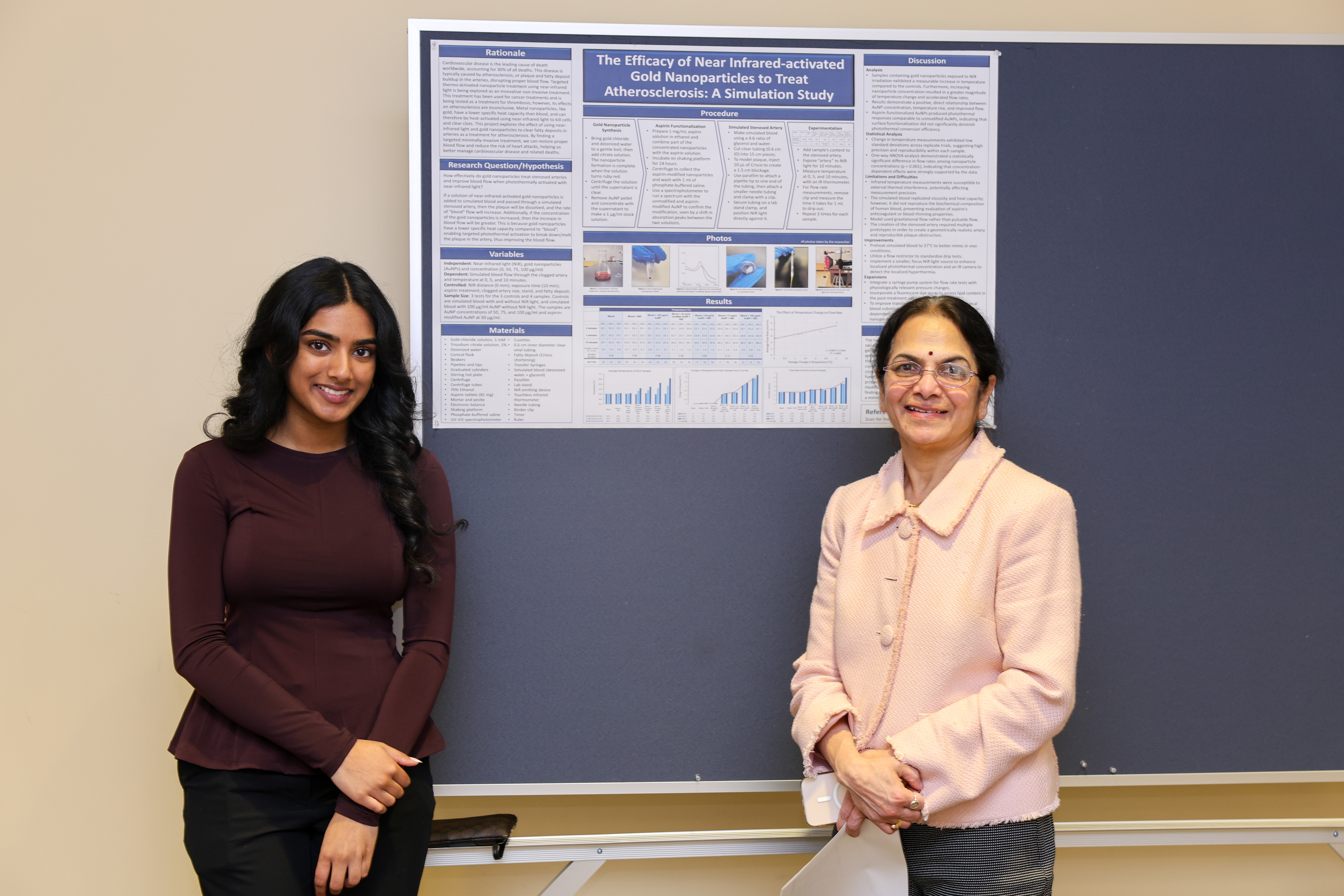
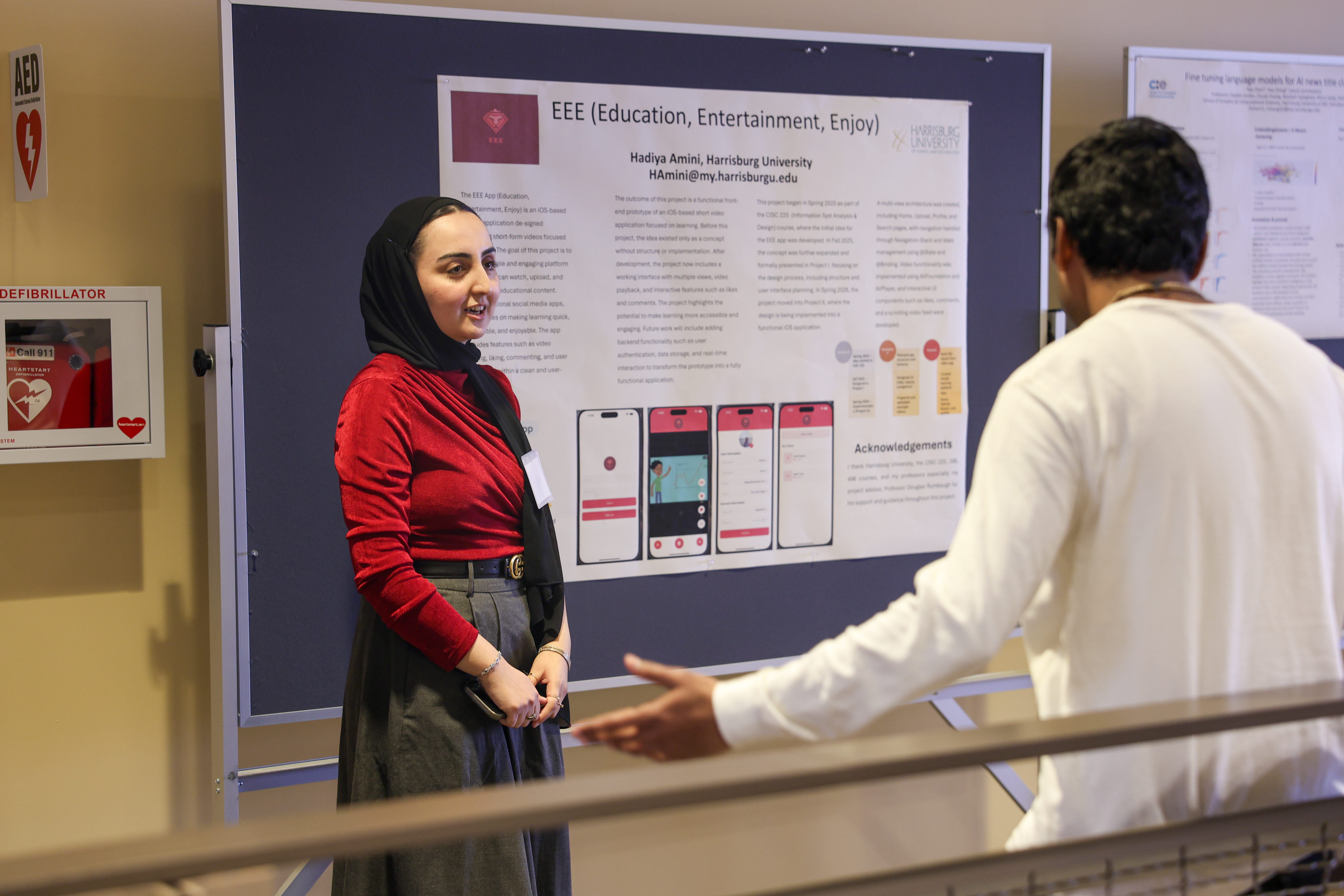
HARRISBURG, PA — Research doesn’t happen in a vacuum; it happens when students are given the space, support, and encouragement to pursue big questions. That’s exactly what the 8th Annual Research Symposium at Harrisburg University of Science and Technology (HU) is all about.
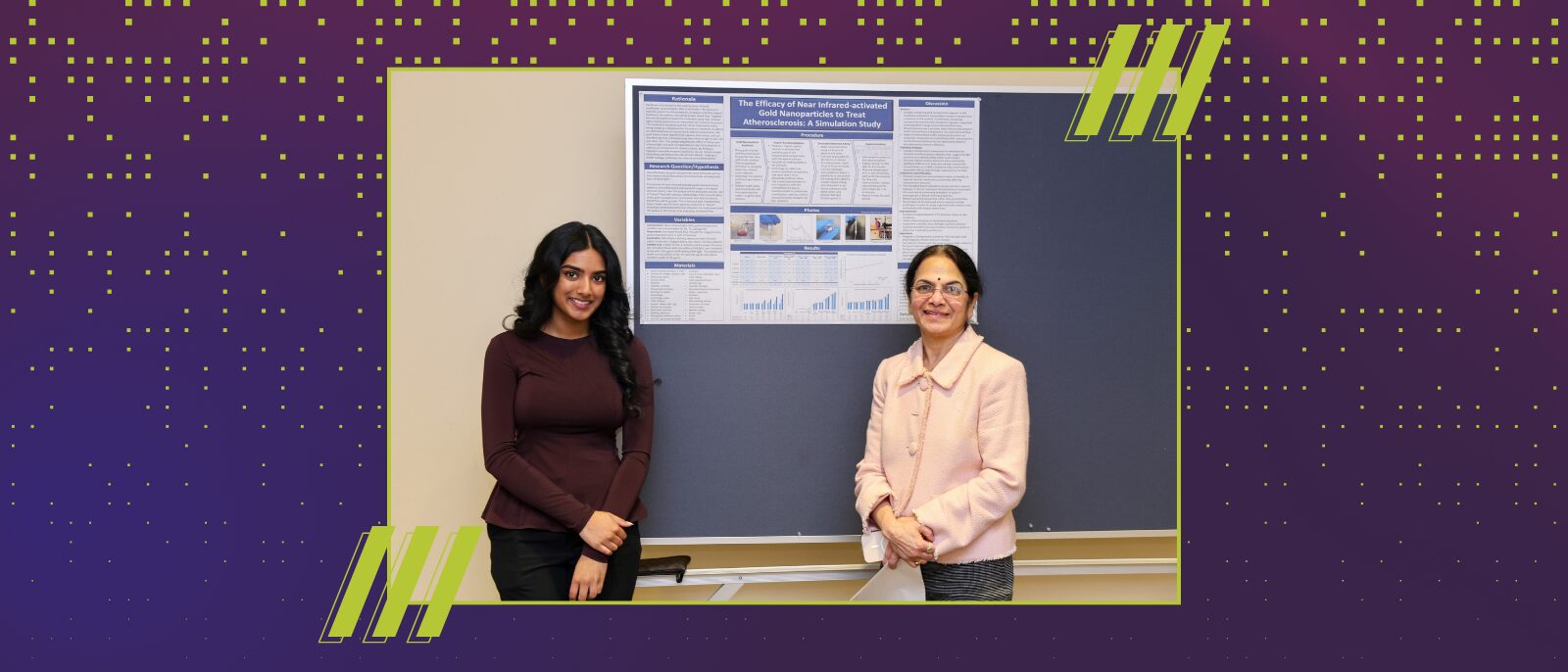
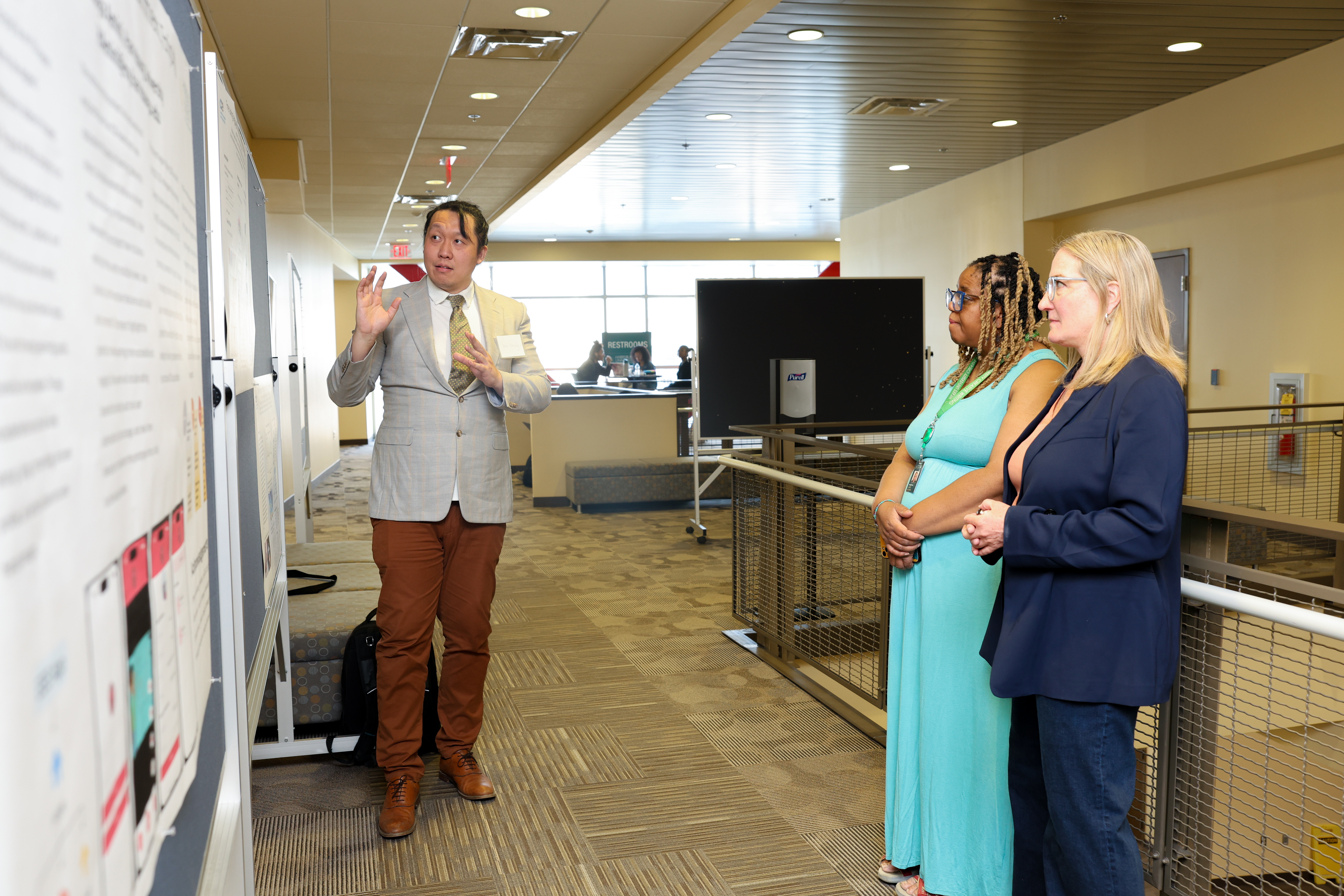
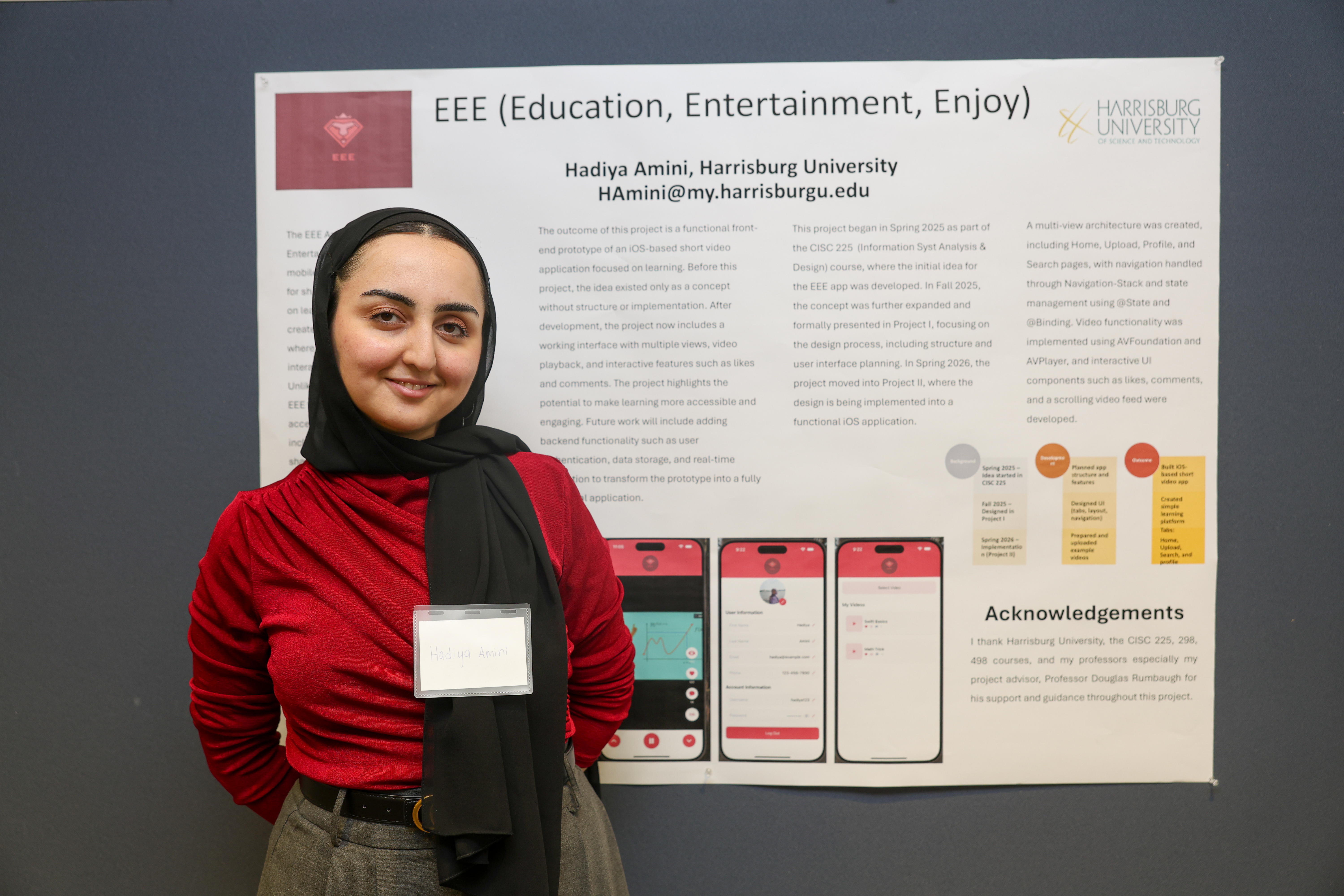
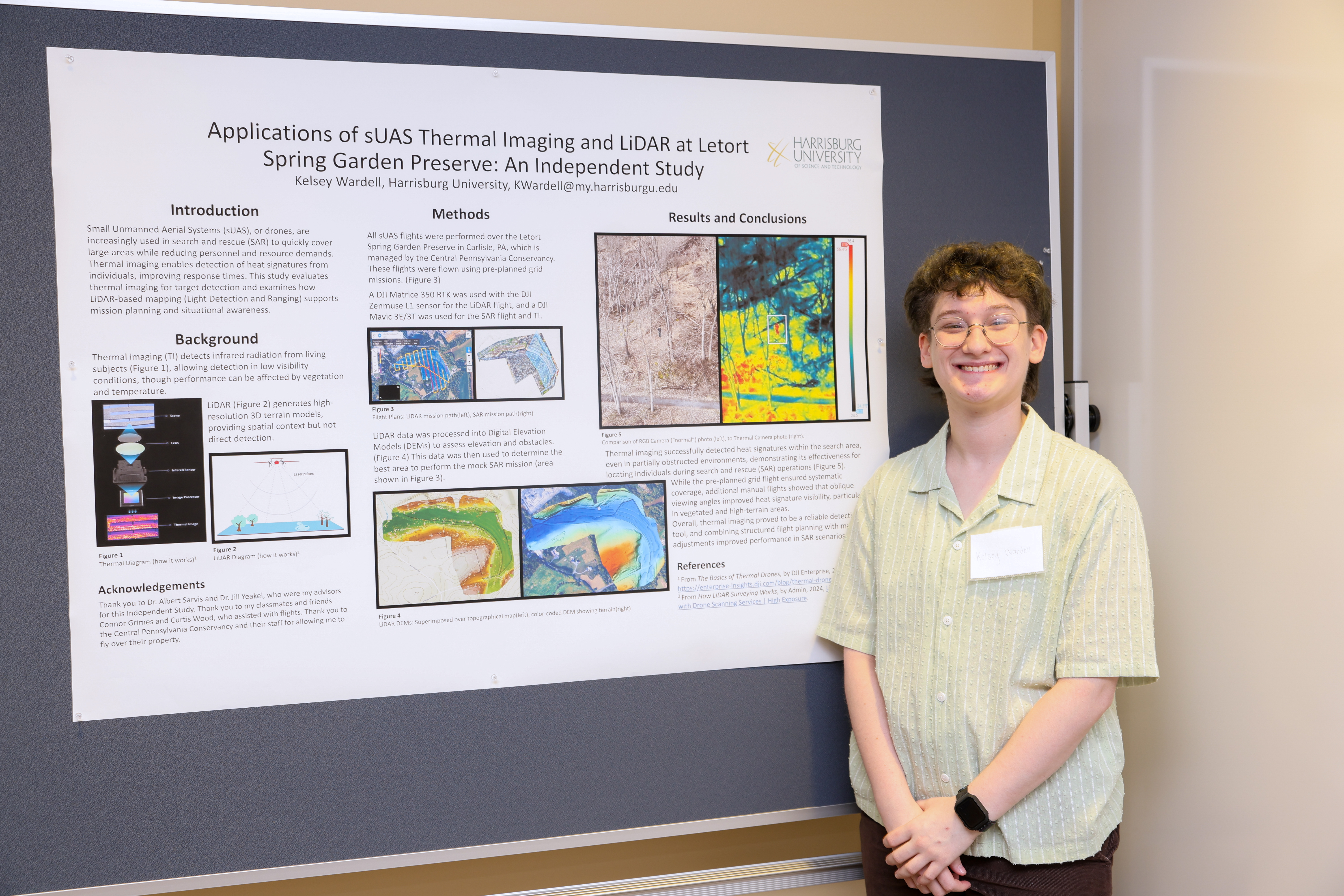
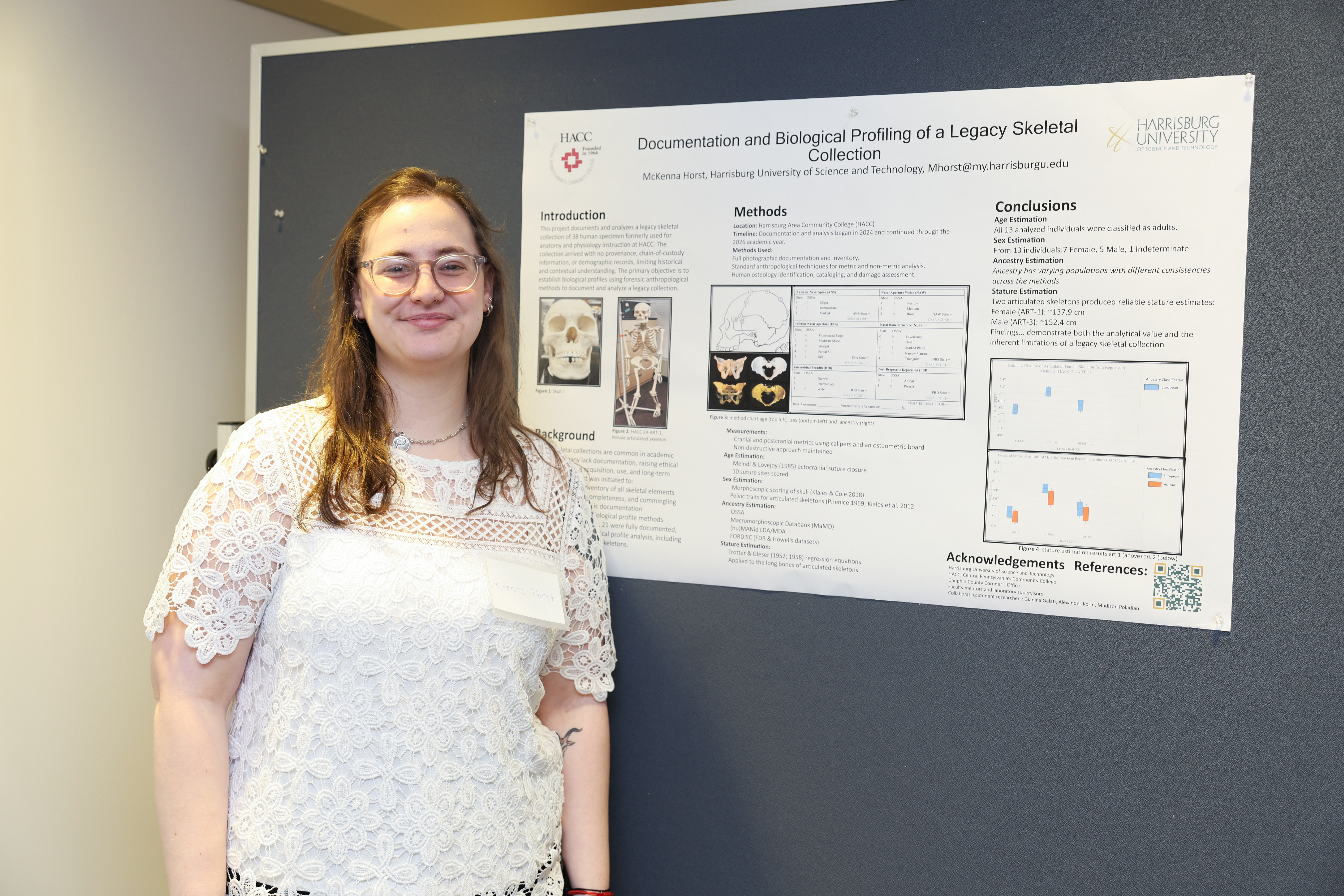
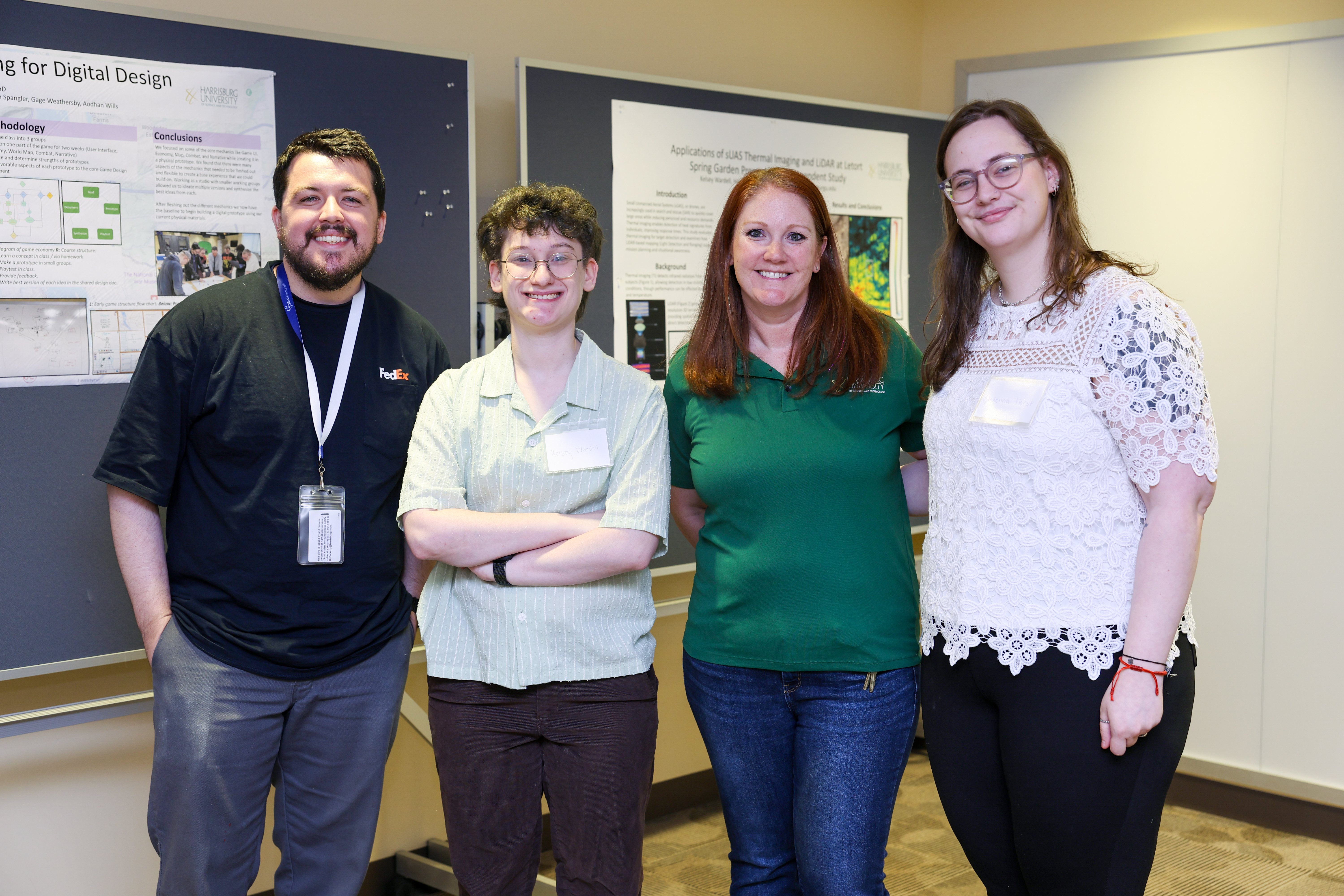
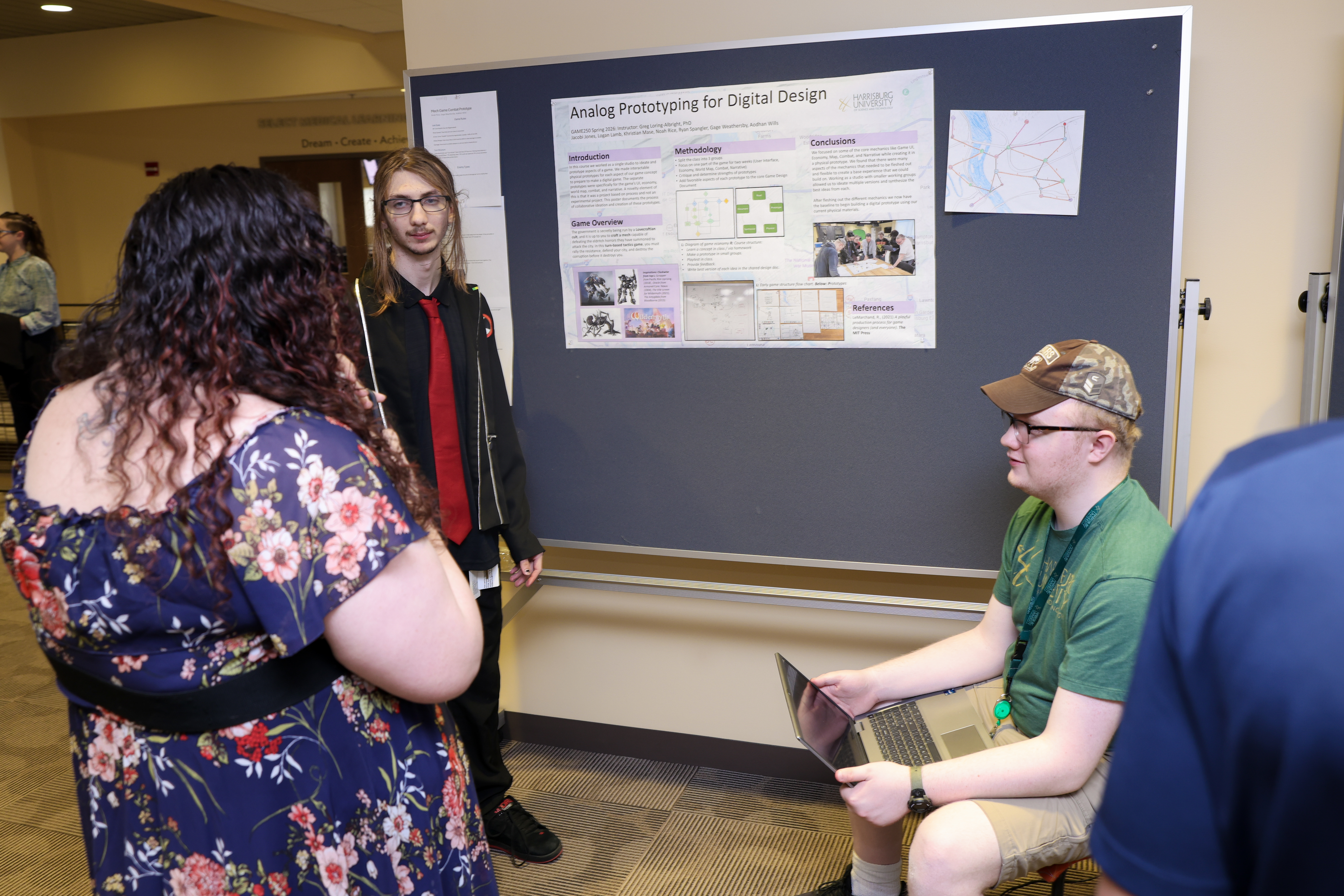
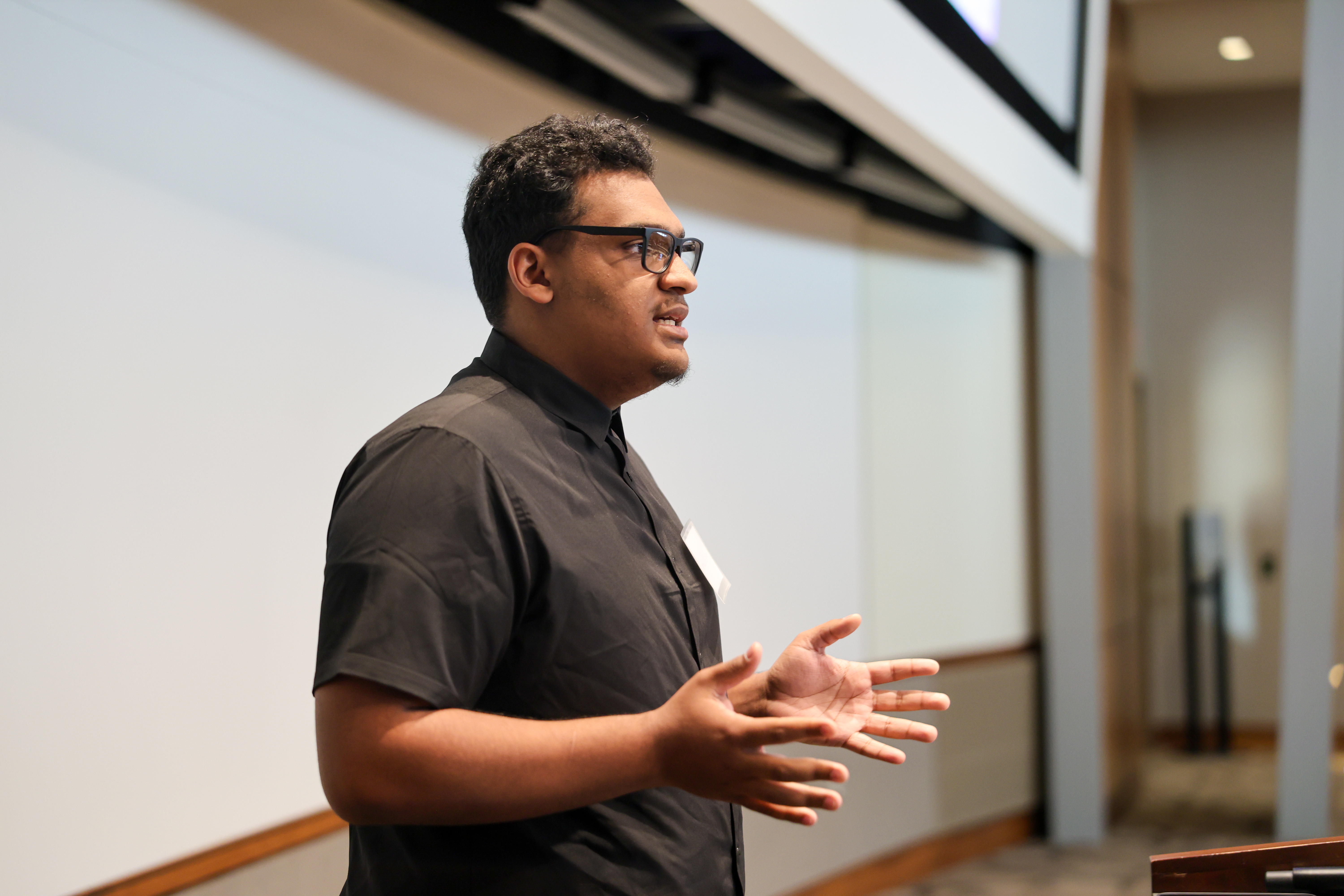
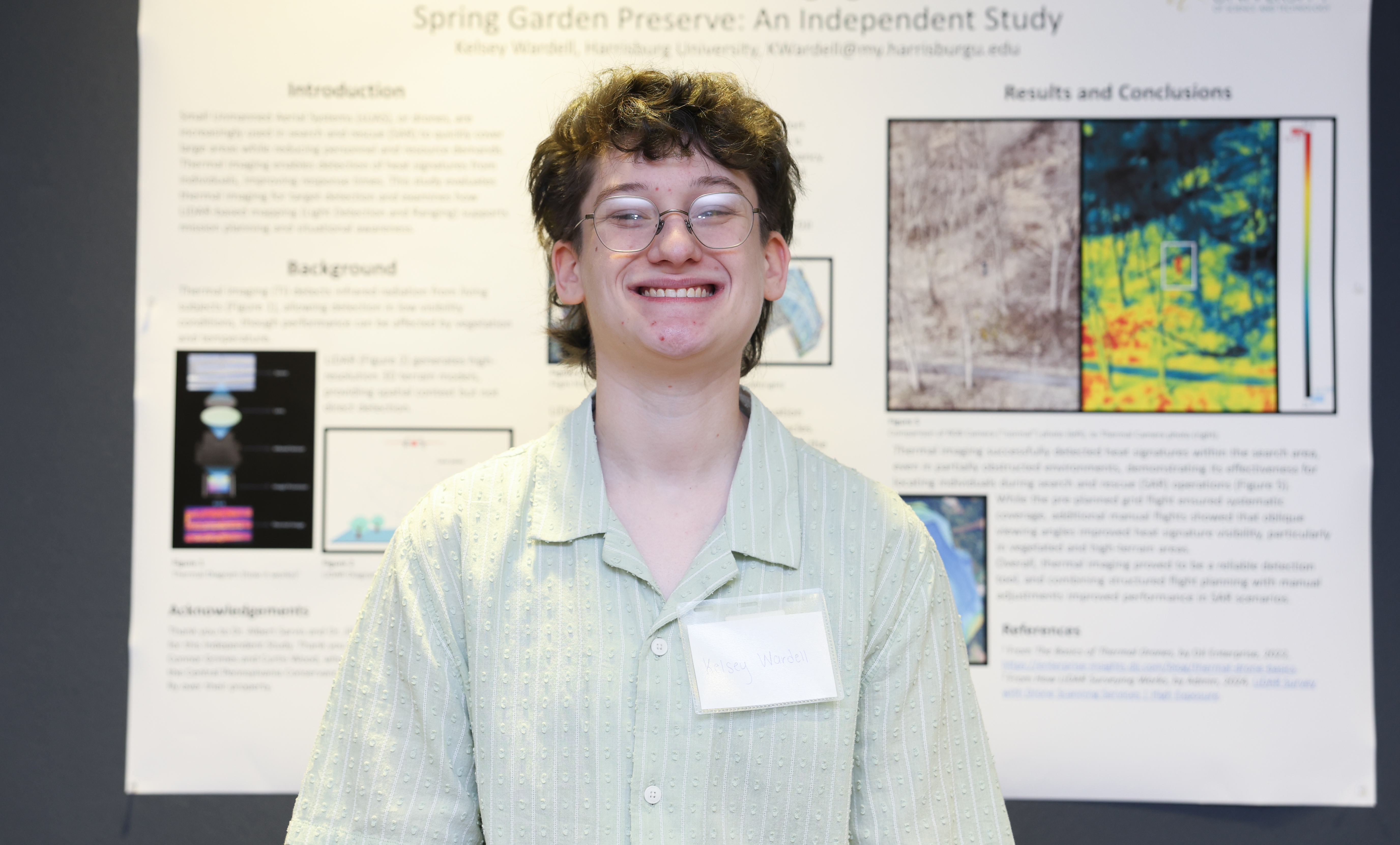
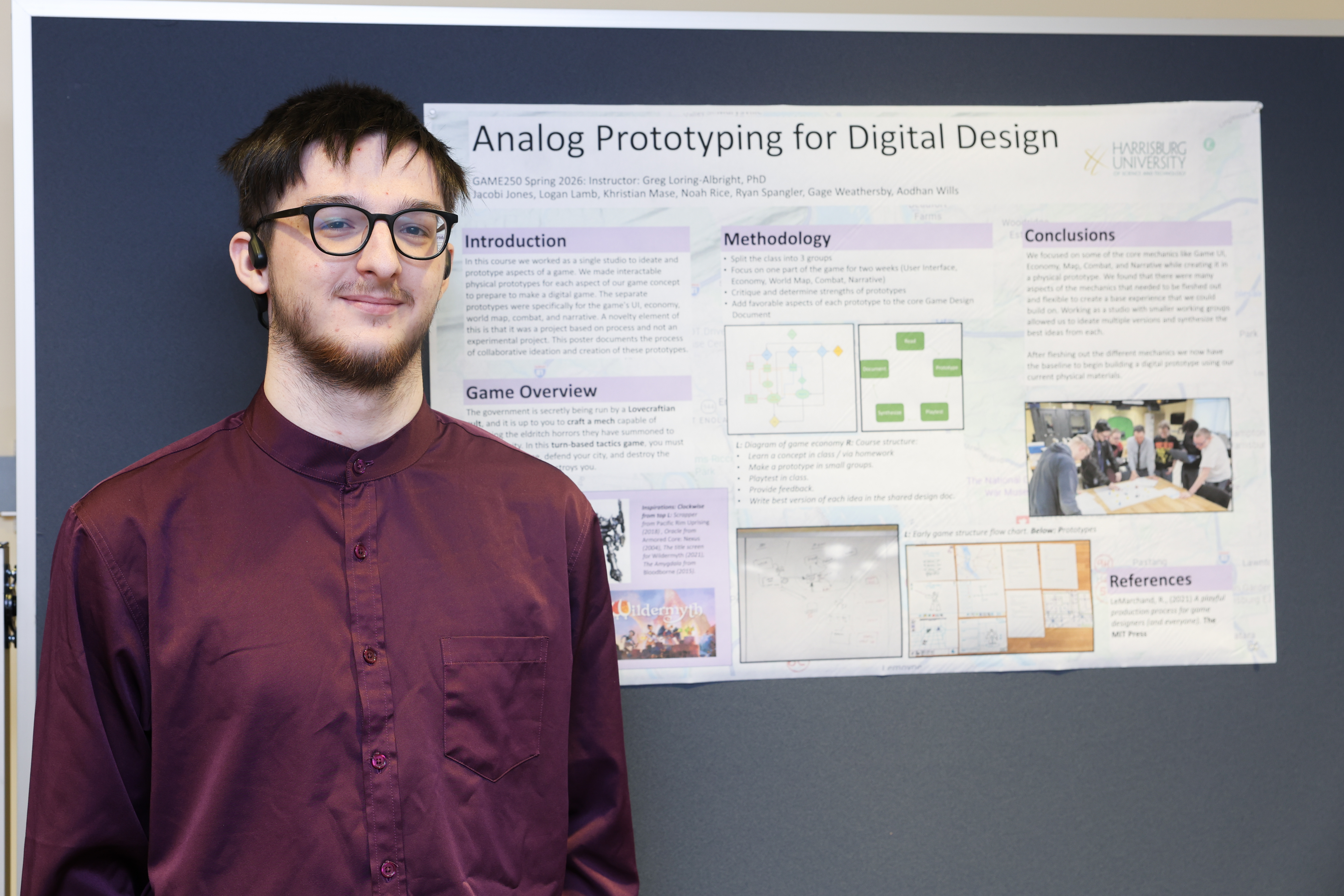
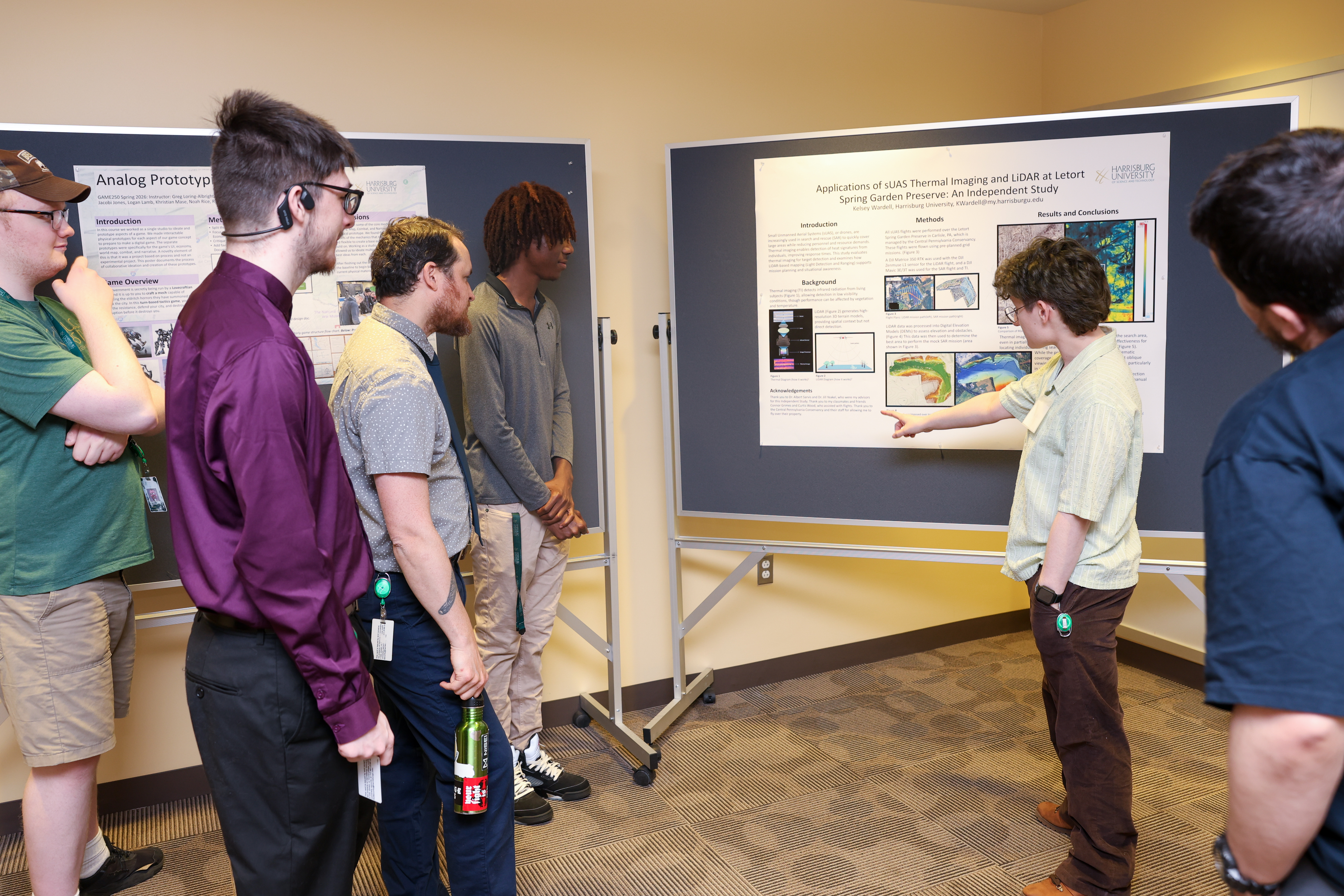
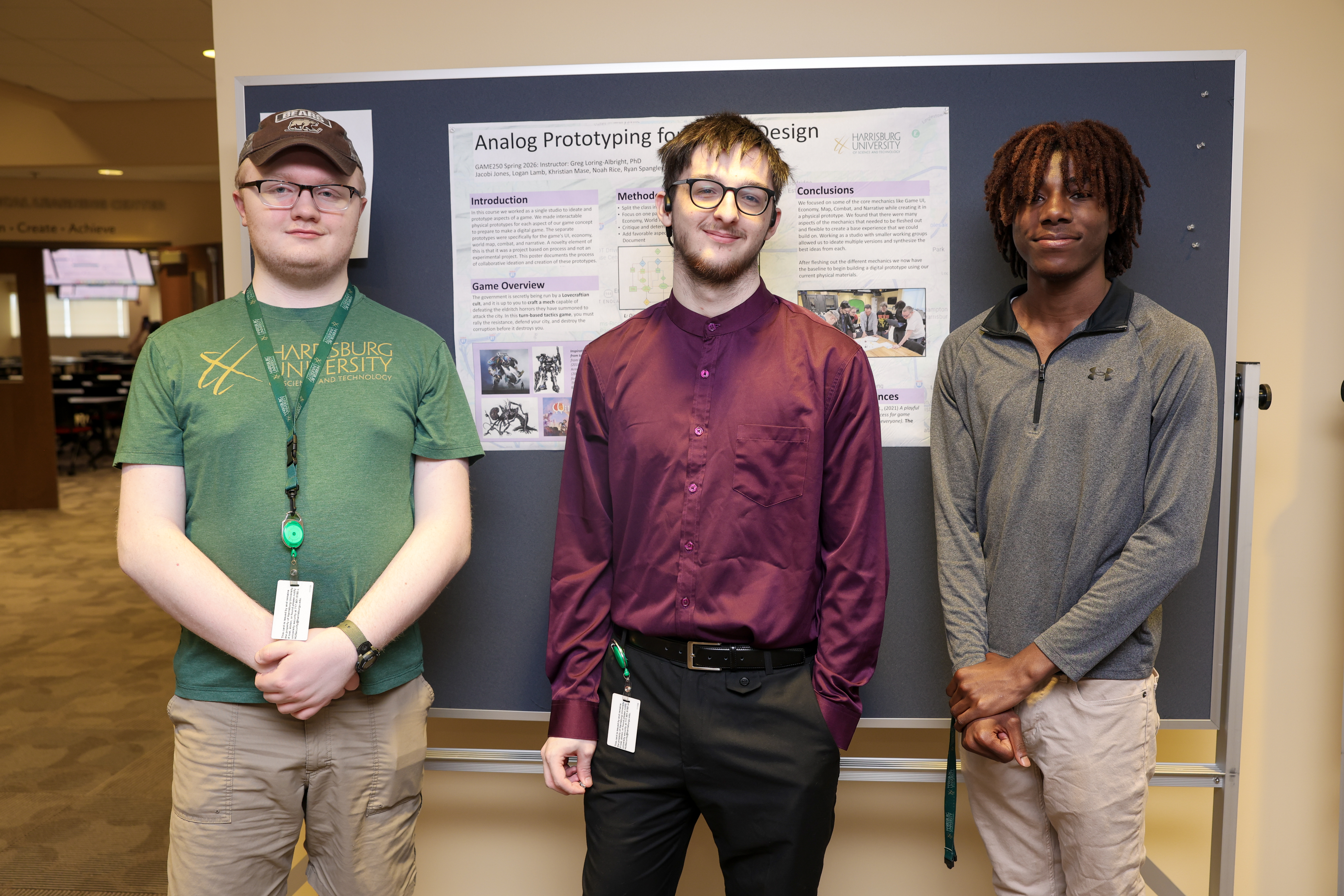
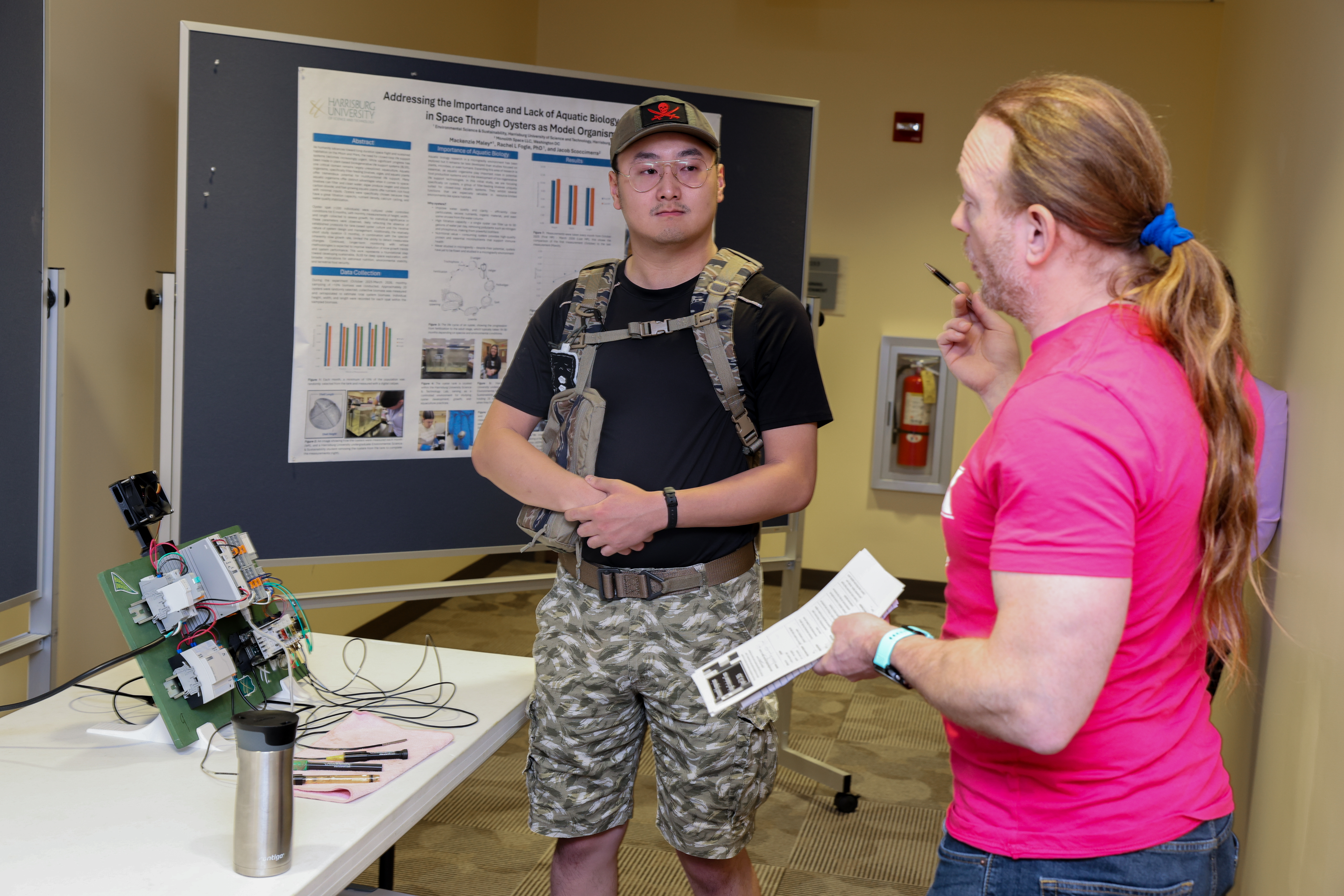
Over 30 students, from undergraduates to doctoral candidates, presented their research through posters and live presentations, both in person and online, reaching more than 400 virtual and 30 in-person attendees. They shared their internship experiences, presented ongoing research, unveiled their final class projects, and showcased that students at HU do more than study a subject; they truly make a difference in the world.
“I was honored to chair this year’s event alongside co-chair Professor Leena Pattarkine, Ph.D., Lauren Durkin, Ed.D., MBA, Director of Accreditation and Assessment; Danielle Quincey, Managing Assessment Liaison; and Christine Bombaro, University Librarian,” said Julia Dunst, Ph.D., Director of Research.
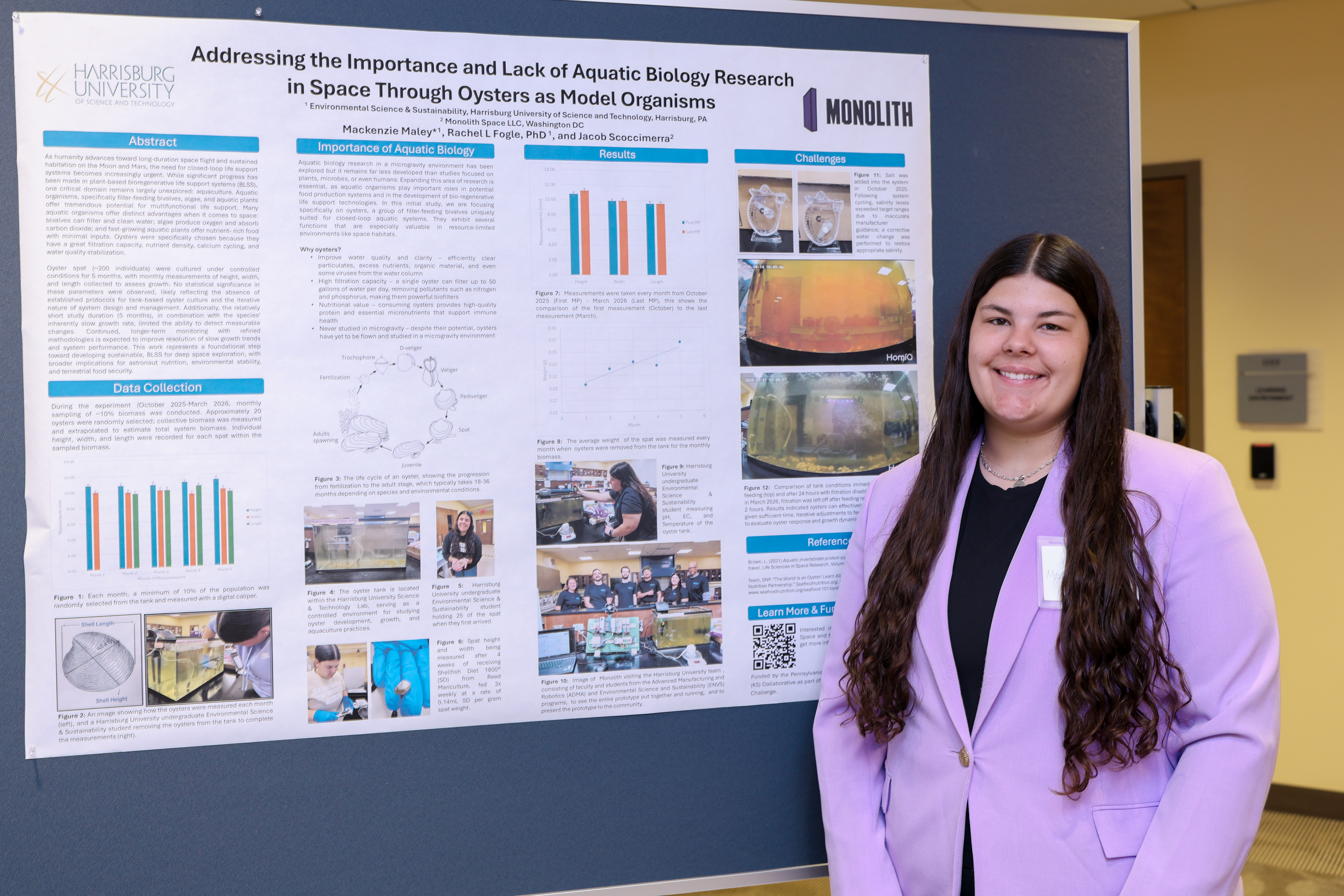
She continued: “The HU students continue to impress me with the professionalism and reach of their research. Whether it’s oysters in space or data research on AI, our students routinely outperform expectations. This year, the Research Symposium drew students from each educational level, so the undergraduates presented next to doctoral students. Each was judged in their own division, but the opportunity to commingle is unique and provides our students with a vision for their future educational opportunities here at HU. Many thanks to the faculty, staff, judges and staff who made this incredible day possible.”
Honoring Emerging Trailblazers
From metal additive manufacturing to AI-driven Alzheimer’s detection, this year’s Symposium award winners reflect the breadth and ambition of student research at Harrisburg University. Each project reflects months of work alongside HU faculty mentors and reaffirms HU’s commitment to applied, real-world inquiry.
Congratulations to all of this year’s winners!
Bachelor of Science Award Winners
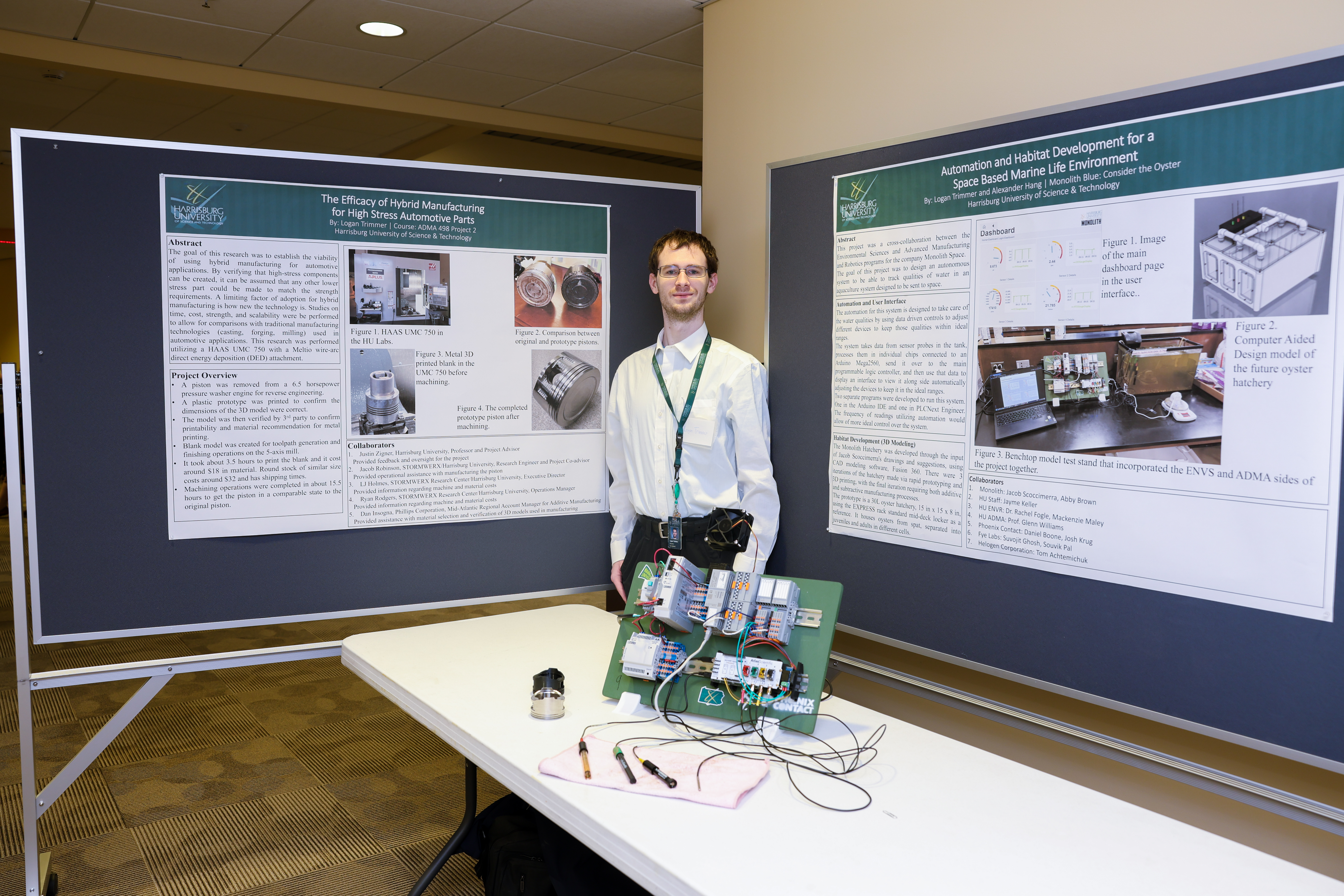
1st Place: Logan Trimmer
Advanced Manufacturing (Faculty Mentor: Justin Zigner)
…
2nd Place (tie): Rachita Bandi
Chemistry (Faculty Mentor: Dr. Leena Pattarkine)
…
2nd Place (tie): Wynne Smith Eskridge
Biotechnology (Faculty Mentor: Dr. Christine Skibinski)
…
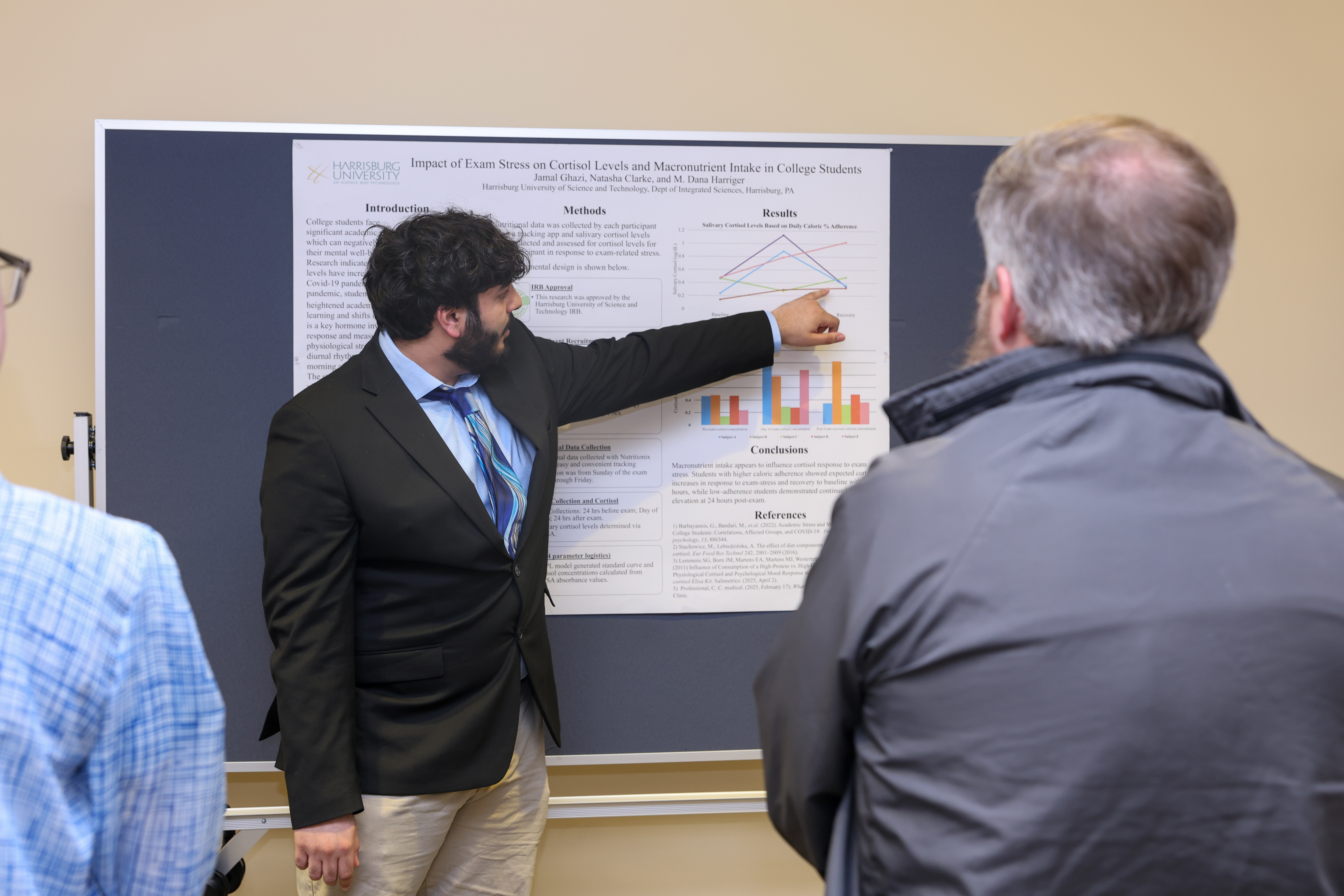
3rd Place: Jamal Ghazi
Biology (Faculty Mentor: Dr. Dana Harriger)
…
Honorable Mention: Jeremy Pizzaro
Biotechnology (Faculty Mentor: Dr. Leena Pattarkine)
…
Master of Science Award Winners
1st Place: Swati Gupta
Healthcare Informatics (Faculty Mentor: Dr. Ingrid Vasiliu-Feltes)
Click here for a short interview with Swati!
1. Why did you choose this research?
I have always been interested in exploring virus evolution and its impact on disease transmission. Further, the published data suggests that some countries were successful in eradicating viral diseases whereas other countries were burdened by them. Timely resource allocation, planning, and commitment of national and international stakeholders plays a key role in winning this war against the viruses. Through the present study, we plan to provide a perspective to countries and global stakeholders to strategize the development and implementation of preventive and therapeutic interventions.
2. What was it like to present at the Symposium?
I am always enthusiastic about presenting my work, and I consider this is an opportunity to learn from peers and judges to improve as a presenter and as a researcher.
3. What’s next for your project, studies, and/or career?
I want to contribute to global health research by contributing to the development of clinical interventions to improve the quality of life.
4. Is there anything else you’d like to share?
Viruses are evolving with time and so are their infection and transmission capacities. With this continuous evolution process, it is required for each country to allocate resources according to the disease burden. The lessons from COVID-19 suggest that we should be prepared for future pandemics. This work will help countries and global public health stakeholders to strategize the allocation of resources on disease specific research and prioritize the development of preventive and therapeutic interventions.
…
2nd Place: Abhigna Archakam
Biotechnology (Faculty Mentor: Dr. Leena Pattarkine)
Click here for a short interview with Abhigna!
1. Why did you choose this research?
I chose this research topic to explore how the gut-brain-immune axis connects microbiome activity with brain function and immune health, with a focus on the role of Lactobacillus rhamnosus in influencing neurotransmitters, inflammation, and stress pathways.
2. What was it like to present at the Symposium?
Presenting my work at the Symposium was a rewarding experience that allowed me to share my research with peers and faculty while gaining valuable feedback from judges. It strengthened my confidence and enhanced my ability to communicate scientific concepts effectively.
3. What’s next for your project, studies, and/or career?
Moving forward, I plan to expand this research by incorporating more clinical evidence and deeper analysis. I aim to pursue a career in biotechnology, focusing on microbiome-based therapeutics and translational research.
4. Is there anything else you’d like to share?
This experience has been incredibly impactful, reinforcing the importance of research in developing innovative healthcare solutions and highlighting the potential of the microbiome in improving mental and immune health.
…
3rd Place (tie): Harika Pakkeerpally
Biotechnology (Faculty Mentor: Dr. Leena Pattarkine)
Click here for a short interview with Harika!
1. Why did you choose this research?
I chose this research topic because plastic pollution is a major global environmental issue, and there is an urgent need for sustainable alternatives. Microbial bioplastics such as PHA and PLA offer eco-friendly solutions due to their biodegradability and renewable sources. This topic also aligns with my interest in biotechnology and its application in solving real-world environmental challenges.
2. What was it like to present at the Symposium?
Presenting my research at the symposium was a valuable learning experience. It helped me improve my communication and presentation skills while explaining complex scientific concepts in a clear and structured manner. Interacting with peers and judges provided useful feedback and different perspectives, which enhanced my understanding of the topic.
3. What’s next for your project, studies, and/or career?
Moving forward, I aim to deepen my knowledge in biotechnology, particularly in areas such as metabolic engineering and sustainable bioprocessing. I am interested in pursuing further research or career opportunities that focus on developing eco-friendly materials and in cell culture too and in innovative solutions to environmental problems.
4. Is there anything else you’d like to share?
This research highlights the significant potential of microbial bioplastics in reducing plastic pollution and promoting sustainable development. Although there are challenges such as cost and scalability, ongoing advancements in biotechnology can help overcome these limitations. Overall, this project strengthened my research skills and reinforced my interest in contributing to environmentally sustainable innovations.
…
3rd Place (tie): Hacsa Oliveira
Biotechnology (Faculty Mentor: Dr. Leena Pattarkine)
…
Honorable Mention: Swarda Coladangelo
Biotechnology (Faculty Mentor: Dr. Leena Pattarkine)
Click here for a short interview with Swarda!
1. Why did you choose this research?
My research project focused on Evaluating Barriers to Accessing Gene Therapy for Rare Monogenic Conditions is an area I am deeply passionate about, as it highlights the gap between scientific innovation and real-world patient access. I was particularly drawn to this topic because of my interest in the intersection of biotechnology and clinical impact, and the opportunity to explore not only the science but also the practical challenges of translating these therapies into accessible treatments.
Additionally, through my professional experience working closely with cell and gene therapy, this topic holds even greater significance for me, as I see firsthand both the promise of these therapies and the challenges in making them widely accessible.
2. What was it like to present at the Symposium?
Presenting my work at the Symposium was both exciting and rewarding. It was a great experience to communicate complex ideas in a clear and engaging way, while also receiving valuable feedback. The experience significantly strengthened my confidence in scientific communication and critical thinking.
3. What’s next for your project, studies, and/or career?
Moving forward, I plan to continue building my expertise in bioanalytical and cell therapy development, with a focus on assay development and translational science. I’m excited to pursue opportunities where I can contribute to advancing innovative therapies from research to patients.
4. Is there anything else you’d like to share?
Overall, this experience reinforced my passion for biotechnology and the importance of bridging science with real-world application. I’m truly grateful for the opportunity to share my work and be part of the Symposium. I would also like to sincerely thank Dr. Anna Reeves and Professor Leena Pattarkine for their continuous guidance and support throughout this project.
…
Doctoral Award Winners
1st Place (tie): Christine Pierce
Computational Science (Faculty Mentor: Dr. Majid Shaalan)
Click here for a short interview with Christine!
1. Why did you choose this research?
I chose the AI Cyber Incident First Responder research because I’ve seen firsthand how overwhelmed Security Operations Centers are in real-world environments. There’s a clear gap between what AI can do in theory and what it actually does in practice. Most systems focus on prediction accuracy, but they aren’t designed to operate under real-world conditions like high alert volume, system failures, and diverse infrastructure.
I wanted to bridge that gap by applying computational science and high-performance computing concepts to build AI systems that function as mission-grade cyber defense platforms and not just as analytics tools.
2. What was it like to present at the Symposium?
Presenting at the Symposium was a really valuable experience. It pushed me to clearly communicate a complex, systems-level research problem to both technical and non-technical audiences. The feedback from peers and judges helped validate the importance of the problem and also challenged me to think more critically about my assumptions and next steps. Overall, it was a great opportunity to refine my research narrative and gain confidence presenting at the doctoral level.
3. What’s next for your project, studies, and/or career?
The next phase of my research is to scale the Cyber First Responder from a controlled prototype to a mission-grade system. That includes testing with real-world SOC datasets, implementing performance portability across different hardware environments, and integrating resilience mechanisms like checkpointing and recovery.
From a broader perspective, I plan to continue developing this work into my dissertation and contribute to advancing AI-driven cyber defense systems that are operationally viable in real-world environments.
4. Is there anything else you’d like to share?
One of the biggest takeaways from this experience is that meaningful progress doesn’t always come from building more complex models, but rather from asking the right systems-level questions. This research highlights that performance in AI cyber defense isn’t just about compute power, but about how systems are designed and coordinated.
I believe this has real potential to influence how future AI systems are engineered for cybersecurity and shifting the focus from isolated models to resilient, scalable, and operational systems.
…
1st Place (tie): Mary Kemi Ekunkoya
Information Systems Engineering & Management (Faculty Mentor: Dr. Amar Ramudhin)
Click here for a short interview with Mary!
Research Topic: Prediction of Housing Insecurity: Integrating Social and Economic Data for Proactive Homelessness Prevention
1. Why did you choose this research?
With my experience in healthcare, user experience, and Social Determinants of Health (SDoH), I have witnessed how fragmented data systems and delayed actions lead to poor outcomes. This research aims to bridge those gaps by examining how integrated, cross-sector data and AI-powered models can proactively identify at-risk households and facilitate earlier, fairer interventions for housing insecurity. My goal is to shift the focus from crisis management to prevention.
This commitment is rooted in my ongoing frustration with systems that only reach people after a crisis has already occurred, housing instability being a prime example. Often, by the time intervention happens, the damage is already done. I want to explore how data and AI can help us anticipate and address issues before they escalate.
Fundamentally, this work is about more than predictive modeling; it’s about designing systems that are proactive, equitable, and truly centered on the people served, connecting isolated organizations, identifying early signals, and preventing homelessness rather than merely reacting to it.
2. What was it like to present at the Symposium?
Presenting at the Symposium encouraged me to communicate the human story behind the data, a step that the research process doesn’t always require. Stepping back from technical details to explain the “why” and seeing how peers and judges responded was very grounding. The questions raised weren’t solely about model accuracy or methods; they focused on practical use, target users, and how frontline workers would interpret and trust the outputs. These questions reaffirmed my belief that technical work is just half the challenge; design and human factors are equally important.
The experience was rewarding and intellectually stimulating, allowing me to translate complex concepts like predictive modeling, validation, and data integration into accessible insights. Engaging with others sparked valuable discussions about model reliability, fairness, and real-world challenges. The feedback was especially helpful in strengthening the practical aspects of my work and highlighting the need for external validation and deployment considerations.
3. What’s next for your project, studies, and/or career?
My next steps are both technical and deeply human-centered. On the research side, I’ll conduct a thorough gap analysis, develop a formal research proposal with IRB approval, and pursue cross-sector data integration from sources such as PA 211, HMIS, and public datasets to build and validate a real-world predictive model. Equally important to me is how the tool is designed. I intend to apply UX research methods throughout the development process, not as an afterthought but as a foundational layer. That means conducting user interviews with 211 navigators, caseworkers, and individuals with lived experience of housing instability; building journey maps that reveal where the system currently fails people; and running usability testing to ensure any predictive interface is intuitive and actionable in real service contexts.
The goal isn’t just a model that predicts; it’s an end-to-end solution with explainable outputs, clear risk communication, and recommendations that frontline workers can trust and act on. The best algorithm in the world doesn’t help anyone if it can’t be understood by the person using it. In parallel, I’ll continue refining my dissertation and preparing manuscripts for publication. Long term, I see myself at the intersection of AI, UX research, and social impact, building solutions that are data-driven and deeply responsive to the humans at their center.
4. Is there anything else you’d like to share?
This experience reminded me why I started this journey. The research matters, but the potential impact behind it matters more. Even a modest shift toward proactive systems could meaningfully improve outcomes for real people navigating one of the most destabilizing experiences. For me, this work has never been purely about models or data. It’s about designing systems that see people earlier, meet them where they are, and support them before hardship becomes irreversible. That’s the north star, and it’s what I’ll keep building towards, being proactive rather than being reactive.
…
2nd Place (tie): Chetan Arora
Information Systems Engineering & Management / Generative AI (Faculty Mentor: Dr. Amjad Umar)
…
2nd Place (tie): John Ray Martinez
Data Science & Artificial Intelligence (Faculty Mentor: Dr. Maria Vaida)
Click here for a short interview with John!
1. Why did you choose this research?
I chose this research because overconfident AI in clinical settings is not just a technical problem but a patient safety problem. When a medical AI says it is 95% confident and it is wrong, a clinician has no signal to pause and seek a second opinion. I wanted to build something that gives AI systems the ability to express honest uncertainty without requiring labeled calibration data that is rarely available in real clinical environments.
2. What was it like to present at the Symposium?
Presenting at the Symposium was genuinely energizing. Explaining a technical framework to a mixed audience of faculty, fellow doctoral students, and outside observers forced me to sharpen how I communicate the research. The questions I received pushed me to defend design choices I had thought deeply about, and that kind of pressure is exactly what makes the work stronger.
3. What’s next for your project, studies, and/or career?
This paper is currently under peer review at Transactions on Machine Learning Research (TMLR) and is publicly available on arXiv. My dissertation continues with two more papers exploring more sophisticated fusion strategies and scaling the framework to larger models with the goal of making calibrated medical AI robust enough for real clinical deployment.
4. Is there anything else you’d like to share?
The finding I am most proud of is this: Even when the model lacks the knowledge to answer correctly, MARC still makes it express appropriate uncertainty. A wrong answer that knows it is uncertain is clinically far safer than a wrong answer that does not. That is the failure mode I set out to fix, and the results show it is fixable even with a small, open-source model running entirely on local hardware.
…
3rd Place: Atoosa Rezaei
Information Systems Engineering & Management (Faculty Mentors: Dr. Amjad Umar and Dr. Iheb Abdellatif)
Click here for a short interview with Atoosa!
1. Why did you choose this research?
I chose to develop COGMAS (Cognitive Multi-Agent System Framework) to address the growing need for more adaptive, intelligent decision-support systems. By combining advances in Machine Learning, Agentic AI, and Generative AI, I wanted to explore how specialized agents in distributed agent architectures can collaboratively learn, reason, and solve complex, real-world problems.
2. What was it like to present at the Symposium?
Presenting at the Symposium provided a valuable setting to evaluate the conceptual rigor and practical relevance of the framework. Discussions with peers and judges focused on system design, agent coordination mechanisms, and the integration of learning components. The feedback was particularly useful in refining assumptions around scalability, model generalization, and evaluation strategies.
3. What’s next for your project, studies, and/or career?
Next, I plan to implement and validate COGMAS in biopharma decision-support systems, demonstrating its generalizability, showing that the same Cognitive multi-agent architecture (COGMAS) used to manage uncertainty in financial contexts in the research can be applied to scientific decision-making.
4. Is there anything else you’d like to share?
COGMAS contributes to ongoing research in cognitive multi-agent systems and machine learning by proposing a framework for collaborative, learning-enabled intelligence. Its potential impact lies in enabling more scalable and adaptive AI systems capable of operating in environments that require continuous learning, coordination, and context-aware decision-making.
…
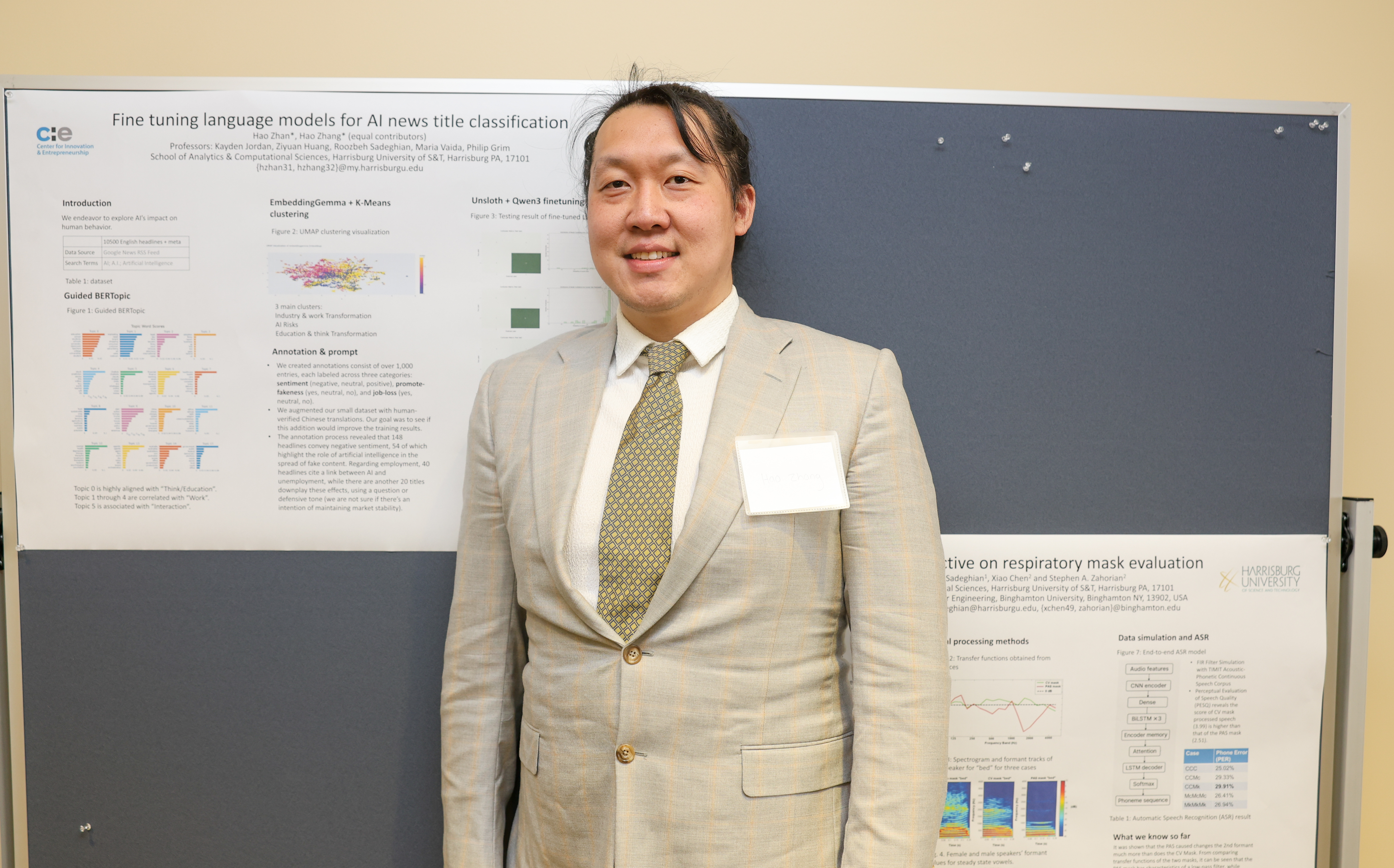
Honorable Mention: Hao Zhang
Data Analytics (Faculty Mentor: Dr. Roozbeh Sadeghian)
Click here for a short interview with Hao!
1. Why did you choose this research?
I’m super into how AI is shaking everything up, especially the job market.
2. What was it like to present at the Symposium?
HU Symposiums are awesome! There are young scientists who grew up with AI alongside seasoned professors giving gold feedback.
3. What’s next for your project, studies, and/or career?
The projects I presented are becoming part of a formal publication.
4. Is there anything else you’d like to share?
Shoutout to the CIE (Center for Innovation & Entrepreneurship)!
…
A Foundation of Curiosity and Faculty Mentorship
This year’s awards once again highlight the central role that HU faculty play in shaping the next generation of researchers. From hands-on lab supervision to guidance on publishing and presenting research, our faculty mentors invest deeply in their students’ success. And it shows in the quality of work on display.
Harrisburg University thanks every faculty member, staff member, and supporter who made this year’s Symposium possible. Our students continue to make an impact in the world around them, and we look forward to seeing where their curiosity takes them next.
# # #
ABOUT HARRISBURG UNIVERSITY
Harrisburg University of Science and Technology (HU) is an independent, nonprofit university offering degrees in advanced manufacturing, engineering, robotics, nursing, cybersecurity, and other critical fields. Accredited by the Middle States Commission on Higher Education, HU serves a diverse student body through bachelor’s, master’s, and doctoral programs that link learning and research with practical applications. For information about HU’s affordable STEM degrees and professional development programs, call 717.901.5146 or email Connect@HarrisburgU.edu. Stay in the know by following Harrisburg University on LinkedIn, Instagram, and Facebook.
MEDIA CONTACT
Do you have questions about this story? Interested in lining up an interview? Please contact Dan Wilhelm, Communications Manager for Harrisburg University, at DWilhelm@HarrisburgU.edu or 717.901.5100×1724.
# # #