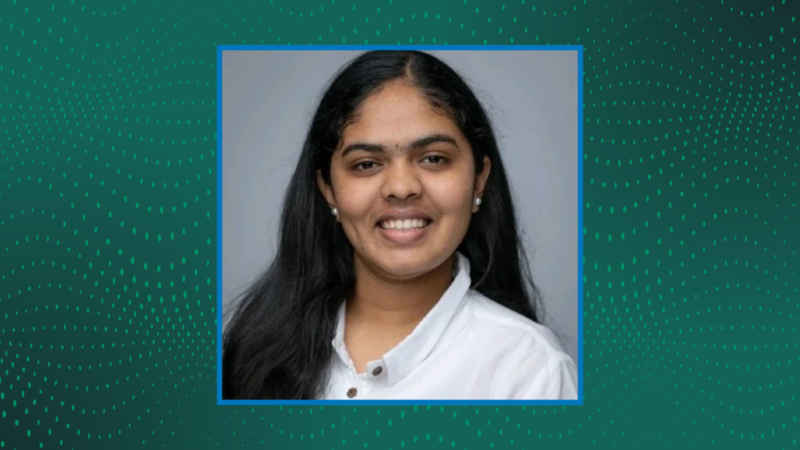
HARRISBURG, PA — When Sidney Jose Joaquim Andre graduated from Harrisburg University of Science & Technology (HU) in May with a Master of Science in Biotechnology, he left with more than a degree. During his time at HU, Sidney developed research, analytical, and communication skills that would help him contribute to a published study addressing one of healthcare’s most pressing challenges: breast cancer detection and recurrence prediction.
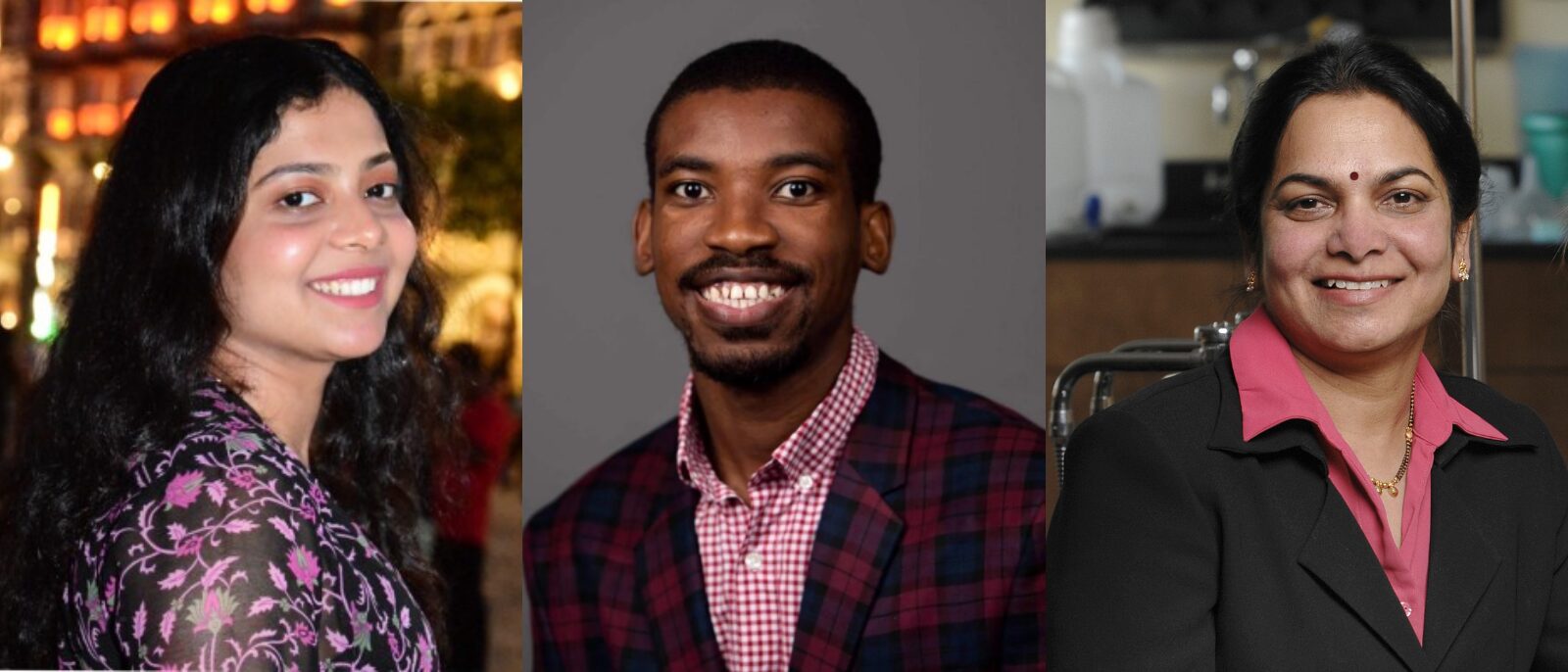
Alongside fellow biotechnology student Swarda Bandiwadekar ‘26 and Dr. Leena Pattarkine, professor of biotechnology at HU, Sidney contributed to research examining how artificial intelligence (AI) can enhance breast cancer screening, improve diagnostic accuracy, and help predict cancer recurrence. The study was published in Oncoscience on May 19, highlighting the potential of AI to support earlier detection, more personalized care, and improved patient outcomes.
We recently caught up with Sidney to discuss the publication, the collaborative research experience, how HU prepared him for this project, and to hear what’s next. Last year, we highlighted Sidney’s experiences as a graduate student, researcher at HU, and head of his nonprofit organization, A Great Work Foundation. Now, as a recent alumnus and published author, he reflects on the impact of this research and the opportunities ahead.
Can you briefly describe the focus of the research and the significance of the findings?
My research focused on evaluating how artificial intelligence can enhance breast cancer detection, improve diagnostic accuracy, and predict cancer recurrence when integrated with traditional screening methods such as mammography, MRI, ultrasound, and biopsy.
The findings demonstrated that AI has the potential to improve early detection, reduce diagnostic errors, increase efficiency, and support more personalized patient care. Given that breast cancer remains one of the leading causes of cancer-related deaths worldwide, these advancements could contribute to improved patient outcomes and survival rates.
What was your role in the project, and what were some of your key contributions?
As the first author, I led the research process, including literature review, data collection, analysis of published studies, manuscript development, figure and table preparation, and synthesis of findings. I also evaluated multiple AI applications in breast cancer screening and recurrence prediction and helped develop the overall structure and scientific narrative of the publication.
What challenges did you and the research team overcome during the process?
One of the biggest challenges was reviewing and synthesizing a large volume of scientific literature from different disciplines, including oncology, radiology, pathology, and AI. Another challenge was critically evaluating studies with varying methodologies and outcomes while ensuring that the conclusions presented were balanced, evidence-based, and scientifically accurate.
What skills or knowledge did you gain through this experience?
This experience strengthened my scientific writing, literature review, critical analysis, and research synthesis skills. I also gained a deeper understanding of artificial intelligence applications in healthcare, breast cancer diagnostics, predictive analytics, and evidence-based research methodologies. Additionally, I improved my ability to communicate complex scientific concepts to diverse audiences.
How has this publication impacted your academic or professional goals?
Publishing this research has reinforced my passion for biotechnology, translational medicine, and the application of emerging technologies to improve patient outcomes. It has strengthened my research profile and motivated me to continue contributing to scientific discovery while pursuing long-term goals in biotechnology, healthcare innovation, and public service.
How did your experience at Harrisburg University prepare you to contribute to and publish this research?
Harrisburg University provided a strong foundation in biotechnology, scientific research, and critical thinking. Through coursework, research projects, and faculty mentorship, I developed the analytical, technical, and scientific communication skills necessary to conduct literature-based research and successfully publish in a peer-reviewed journal.
What are you working on now, and what’s next for you?
I am currently continuing my work in the biotechnology industry while expanding my research activities through scientific peer review and additional publications on precision medicine. My future goals include contributing to biotechnology innovation and expanding the impact of my nonprofit work through educational opportunities for underserved students. I also plan to continue conducting research that bridges biotechnology, AI, and healthcare.
# # #
ABOUT HARRISBURG UNIVERSITY
Harrisburg University of Science & Technology (HU) is an independent, nonprofit university offering degrees in advanced manufacturing, engineering, robotics, nursing, cybersecurity, and other critical fields. Accredited by the Middle States Commission on Higher Education, HU serves a diverse student body through bachelor’s, master’s, and doctoral programs that link learning and research with practical applications. For information about HU’s affordable STEM degrees and professional development programs, call 717.901.5146 or email Connect@HarrisburgU.edu. Stay in the know by following Harrisburg University on LinkedIn, Instagram, and Facebook.
MEDIA CONTACT
Do you have questions about this story? Interested in lining up an interview? Please contact Dan Wilhelm, Director of Communications for Harrisburg University, at DWilhelm@HarrisburgU.edu or 717.901.5100×1724.
# # #