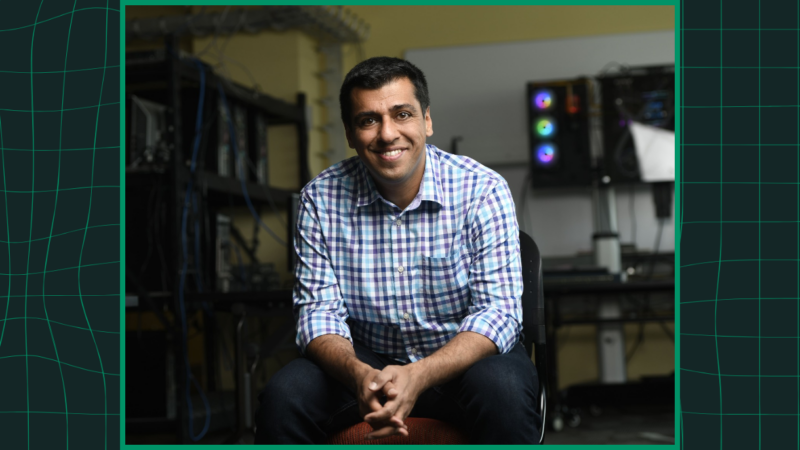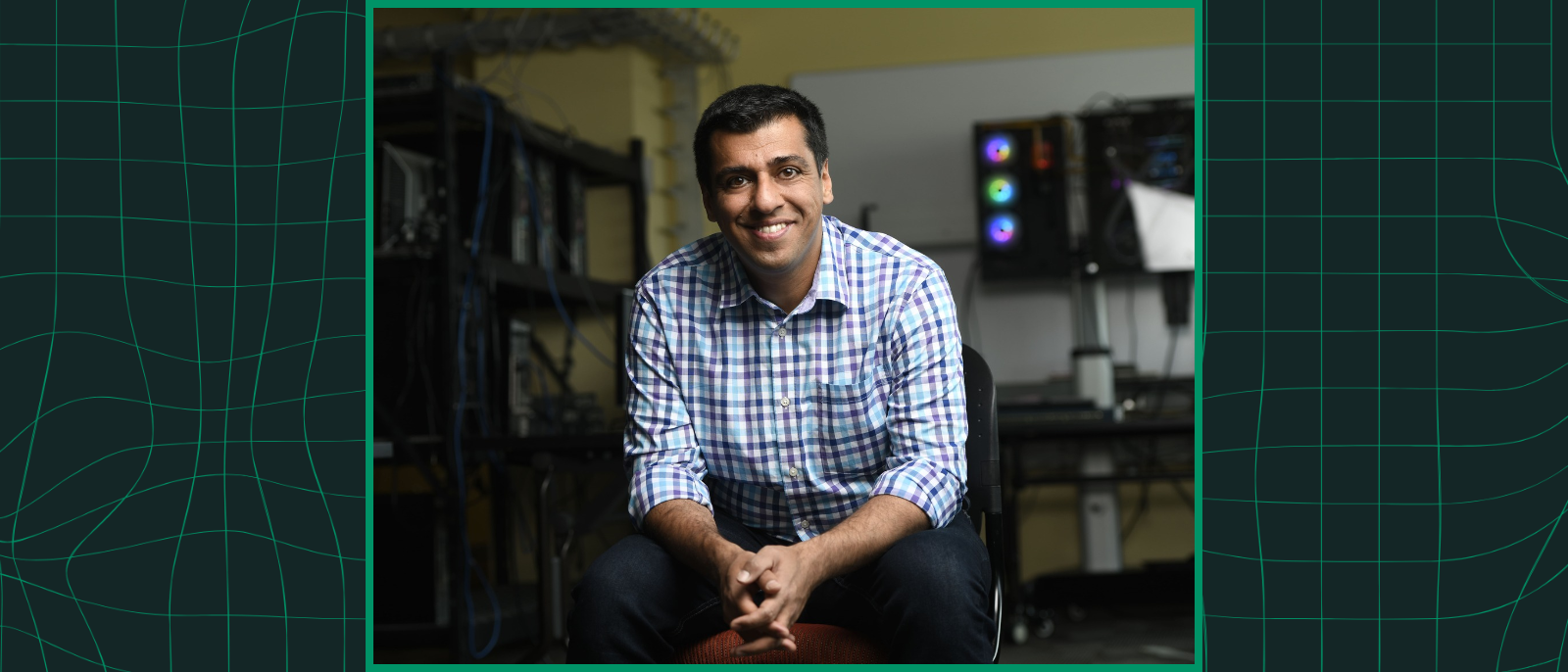
HARRISBURG, PA — Quantum computing may still sound like science fiction, but one Harrisburg University of Science and Technology (HU) leader says Pennsylvanians should start preparing for it now. In an op-ed published by PennLive on November 13, 2026, Roozbeh Sadeghian, Ph.D., dean of HU’s School of Analytics and Computational Sciences, explains why the technology matters to the commonwealth’s economy, why it poses real risks to the data citizens rely on every day, and why Pennsylvania is well positioned to lead.
The piece builds on a forum on quantum readiness that HU and SE&M Solutions, a veteran-owned Harrisburg firm, hosted in October. That event brought together leaders from government, academia, and business, and Sadeghian organized his op-ed around the three questions that kept coming up: Why should Pennsylvanians care? Why should they be concerned? And why should they be optimistic?
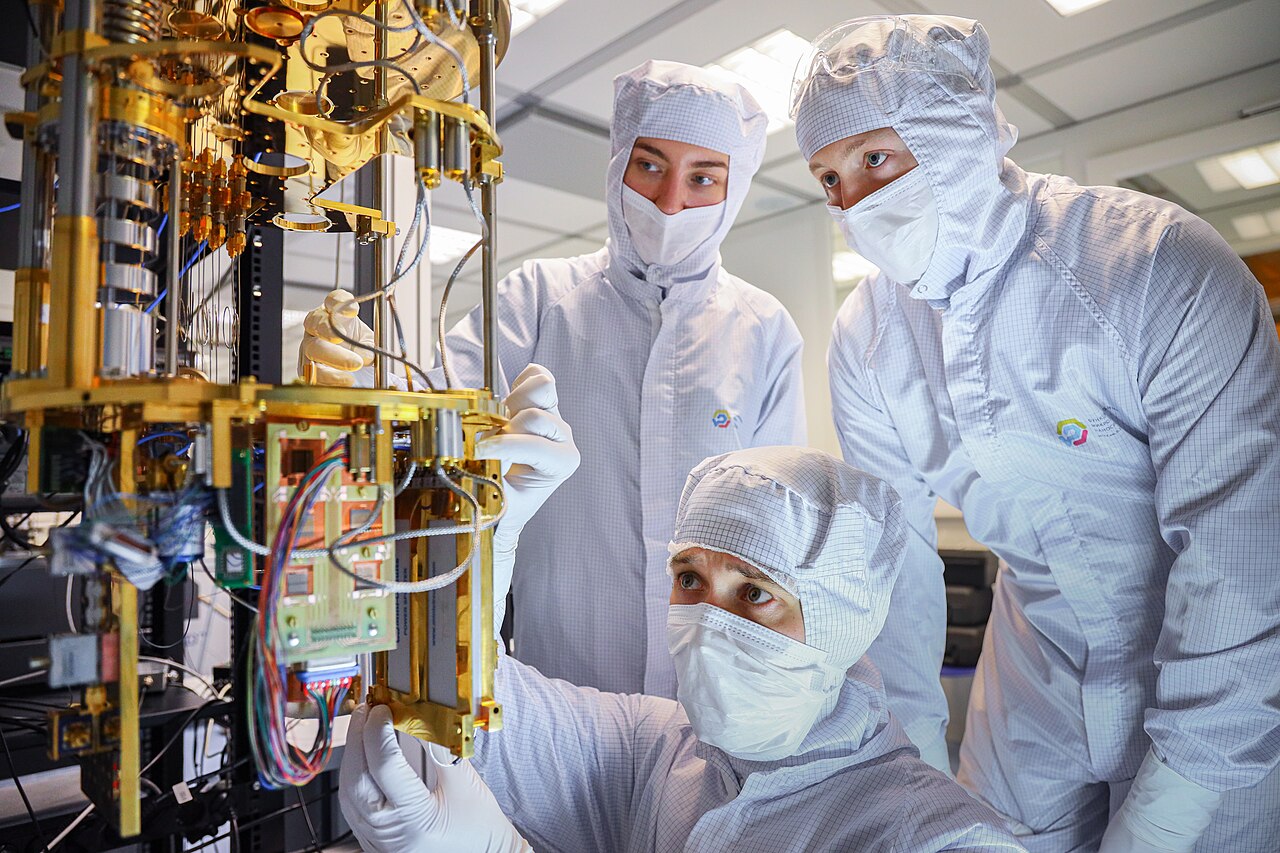
What is quantum computing?
And why does quantum computing matter to Pennsylvania?
Quantum computers can tackle certain problems that would stump even today’s most powerful supercomputers. As Sadeghian notes, many of those problems map directly onto Pennsylvania’s economy, including designing new medicines, engineering stronger and lighter materials, balancing the power grid, and routing freight through Central Pennsylvania’s warehouse corridors.
He points out that when a state economic development official testified before a Pennsylvania House committee in August, she highlighted the same industries: life sciences, advanced manufacturing, energy, agriculture, logistics, and national security.
The quantum risk is already here
Exactly what are the risks of quantum computing?
The same computing power that could speed up drug discovery could also break the encryption that protects bank accounts, medical records, and government communications. Experts disagree on when a quantum computer will be capable of that, and some estimates put it a decade or more away. Sadeghian argues that timeline offers less comfort than it seems.
“Bad actors don’t even have to wait until this looming ‘Q-Day,’” Sadeghian writes. “They can steal encrypted data today, store it, and unlock it later. A patient’s health history or a manufacturer’s product designs can stay vulnerable for years,” he writes.
The federal government has already set 2035 as the target for its systems to switch to quantum-resistant encryption, and Sadeghian expects large organizations to have support meeting that deadline. His bigger concern is “everyone else: the school district, the county 9-1-1 center and the mom-and-pop machine shop supplying parts to defense installations across our region.”
Reasons for optimism
Sadeghian sees plenty of reasons for hope, too. He points to the Keystone AI + Quantum Factory, launched in April by Pennsylvania’s seven top research universities, the Pittsburgh Supercomputing Center, the commonwealth, and Team Pennsylvania, as evidence that the state is positioning itself to lead. He also stresses that the quantum workforce will reach well beyond research labs.
“Quantum isn’t just for physicists or computer science majors,” he writes, noting that the field will need cybersecurity analysts, programmers, network technicians, project managers, and people who can explain the technology to the leaders making decisions about it.
That’s where HU comes in. Through Quantum Storm, a partnership with SE&M Solutions to build Central Pennsylvania’s quantum workforce, HU offers an endowed scholarship for undergraduates in quantum-adjacent fields, paid internships, and a new certificate in applied quantum technology. HU students and alumni already work at SE&M, including a recent graduate who now develops software for quantum devices.
How to get Pennsylvania ready for quantum
Sadeghian closes with practical steps any Pennsylvanian can take. He urges business and public agency leaders to ask their IT teams or vendors about their plans for quantum-safe encryption, encourages parents and educators to steer students toward STEM fields, and invites everyone else to start learning now.
“The quantum age is coming to Pennsylvania either way. Let’s make sure we’re ready to lead it,” he concludes.
Read Dr. Sadeghian’s full op-ed on PennLive.
As dean of the School of Analytics and Computational Sciences, Sadeghian leads HU’s programs in analytics, computer science, cybersecurity, data science, and IT infrastructure. HU will continue to host community forums, STEM Event Days for high school students, and other opportunities to connect with HU faculty on scientific innovation, technology readiness, and workforce development.
About Harrisburg University
Harrisburg University of Science and Technology (HU) is an independent, nonprofit university in Harrisburg, Pennsylvania, offering degrees in advanced manufacturing, analytics, biotechnology, cybersecurity, nursing, and other STEM fields. Accredited by the Middle States Commission on Higher Education, HU serves a diverse student body through bachelor’s, master’s, and doctoral programs that link research with practical application. Learn more at HarrisburgU.edu or stay in the know by following HU on Facebook, Instagram, LinkedIn, X, and YouTube.
Media Contact
Have questions about this story? Want to line up an interview? Contact Dan Wilhelm, director of communications, at DWilhelm@HarrisburgU.edu.
# # #